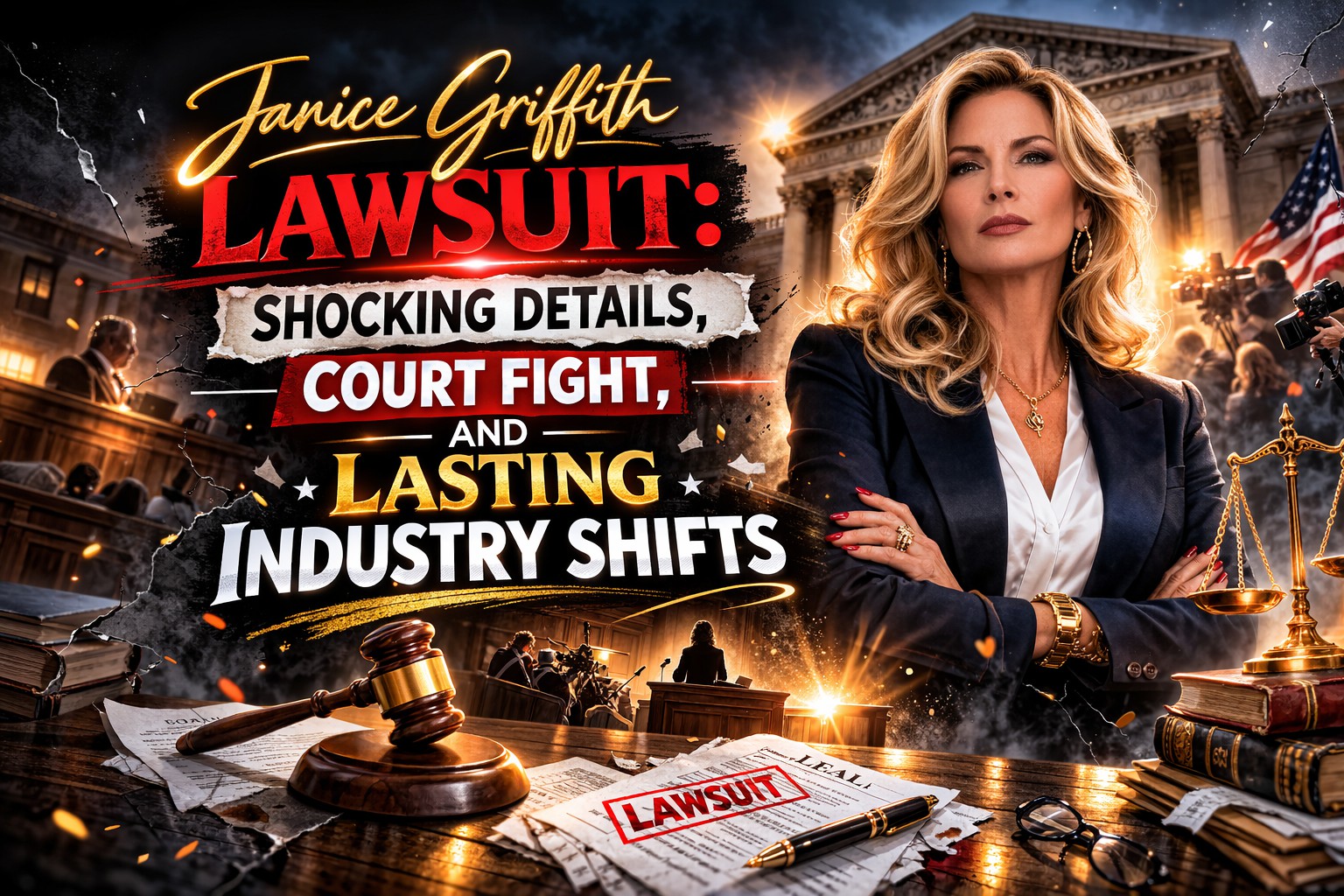
A single stunt can change a life in seconds. That is what happened to Janice Griffith during a risky photo shoot that went wrong. The moment looked simple on camera. The result led to injury, legal action, and public debate.
The case gained attention because it involved Dan Bilzerian and a shoot linked to Hustler. Many people saw the video online. The incident raised serious questions about safety, consent, and responsibility.
The Janice Griffith lawsuit still matters today in 2026. It shows how fast things can go wrong on set. It also shows how the law treats risk, consent, and workplace safety. This guide breaks down what happened, how the case moved forward, and what lessons still apply today.
Who Is Janice Griffith
She became known as a performer who spoke openly about her experiences. She also showed interest in better conditions for performers. Her name started to appear in public discussions beyond entertainment.
Her career placed her in high-risk shoots at times. These situations often required trust between performers and producers. That trust became a key issue after the incident that led to her lawsuit.
The Incident That Sparked the Lawsuit
The incident took place in April 2014 during a photo shoot. The concept involved a dramatic stunt. Griffith would be thrown from a roof into a swimming pool.
The stunt went wrong. She did not land safely in the water. Her body hit the edge of the pool. The impact caused a serious foot injury.
This moment became the center of the legal case. The video of the stunt spread online. Many viewers questioned how such a risky act was approved without proper safety steps.
What Caused the Legal Dispute
After the injury, Griffith sought compensation for medical costs and damage. She first asked for payment to cover her loss. Reports state she requested around $85,000.
The request did not lead to a quick resolution. This pushed her to file a lawsuit later in 2014. The case named Dan Bilzerian and Hustler as defendants.
Her claim focused on negligence. She argued that the stunt lacked proper safety planning. She also claimed that those responsible failed to protect her from harm.
Timeline of the Janice Griffith Lawsuit
| Year | Key Event |
|---|---|
| 2014 | Injury during photo shoot stunt |
| 2014 | Initial compensation request made |
| 2014 | Lawsuit filed against Bilzerian and Hustler |
| 2015+ | Legal process and negotiations |
| Later | Case believed to end in settlement |
The timeline shows how fast events moved after the injury. The case started soon after the incident. Legal action followed when early talks failed.
Each stage added pressure on both sides. Public attention also increased due to the viral video. This made the case more visible than many similar disputes. The timeline also shows a common pattern. A lawsuit follows when no agreement is reached.
Defense Arguments and Legal Position
The defense presented a different view of the situation. They argued that Griffith agreed to take part in the stunt. Consent became a central part of their argument.
They also stated that risk was part of the job. The defense claimed that the injury was not due to negligence. They described the event as an accident.
Another point focused on responsibility. The defense suggested that all parties understood the nature of the stunt. They claimed that no one forced her to take part.
These arguments show a key legal issue. Consent does not always remove liability. Courts often look at safety measures, not just agreement.
Evidence That Shaped the Case
A major piece of evidence came from video footage. The incident was recorded during the shoot. This footage showed the exact moment of impact.
Both sides used the video in different ways. Griffith used it to support her claim of unsafe conditions. The defense used it to show her participation.
Medical records also played a role. These records confirmed the injury and its severity. They helped show the real impact of the incident.
Witness accounts added more detail. People present at the shoot described what happened. Their statements helped build the full picture.
Court Outcome and Settlement Details
No widely confirmed public court ruling exists for this case. Many reports suggest that the matter ended in a private settlement. This is common in injury cases.
A settlement allows both sides to avoid a long trial. It also keeps details out of public records. This often happens in cases with media attention.
The lack of a clear final judgment leaves some questions open. It also shows how legal disputes can end without a courtroom decision.
The case still had an impact. Even without a public ruling, it raised awareness about safety in media work.
Industry Impact and Public Reaction
The lawsuit sparked strong reactions online. Many people discussed the risks involved in such stunts. Others questioned the role of producers and directors.
The case also highlighted issues in entertainment work. Safety standards became a topic of debate. Some argued that better rules were needed.
Public opinion played a role. Social media helped spread the story fast. This increased pressure on those involved.
The incident also led to wider conversations. These included consent, workplace safety, and legal responsibility. The case became more than just a lawsuit.
Key Lessons from the Case
The Janice Griffith lawsuit offers several clear lessons:
- Safety must come before entertainment
- Verbal consent does not replace proper protection
- Written agreements should include risk details
- Medical support must be ready on set
These points apply to many industries. Any job with physical risk needs clear safety rules. This case shows what can happen when those rules fail.
Another lesson relates to legal awareness. Workers should understand their rights. They should also know when to seek legal help.
What This Case Means Today
This case still matters in 2026. It remains an example of how risk and responsibility connect. It also shows how public attention can shape legal cases.
Many industries now review safety more closely. Producers and companies often take extra steps to avoid similar incidents. Legal teams also play a bigger role in planning.
The case also supports a simple idea. No job should ignore safety to create content. This applies to media, sports, and other fields.
Awareness has grown since the incident. People now ask more questions before taking part in risky work. That shift may be the most important outcome.
Conclusion
The Janice Griffith lawsuit began with a single stunt. That moment led to injury, legal action, and global attention. The case showed how fast things can change when safety fails.
It also showed how the law handles consent and risk. An agreement alone does not remove responsibility. Courts and public opinion both look at safety measures.
The story left a lasting mark on the industry. It pushed people to think about protection, planning, and accountability. These lessons still apply today.
Safer work starts with better choices. Clear rules, proper planning, and respect for limits can prevent harm. This case stands as a reminder that safety should never come second.