
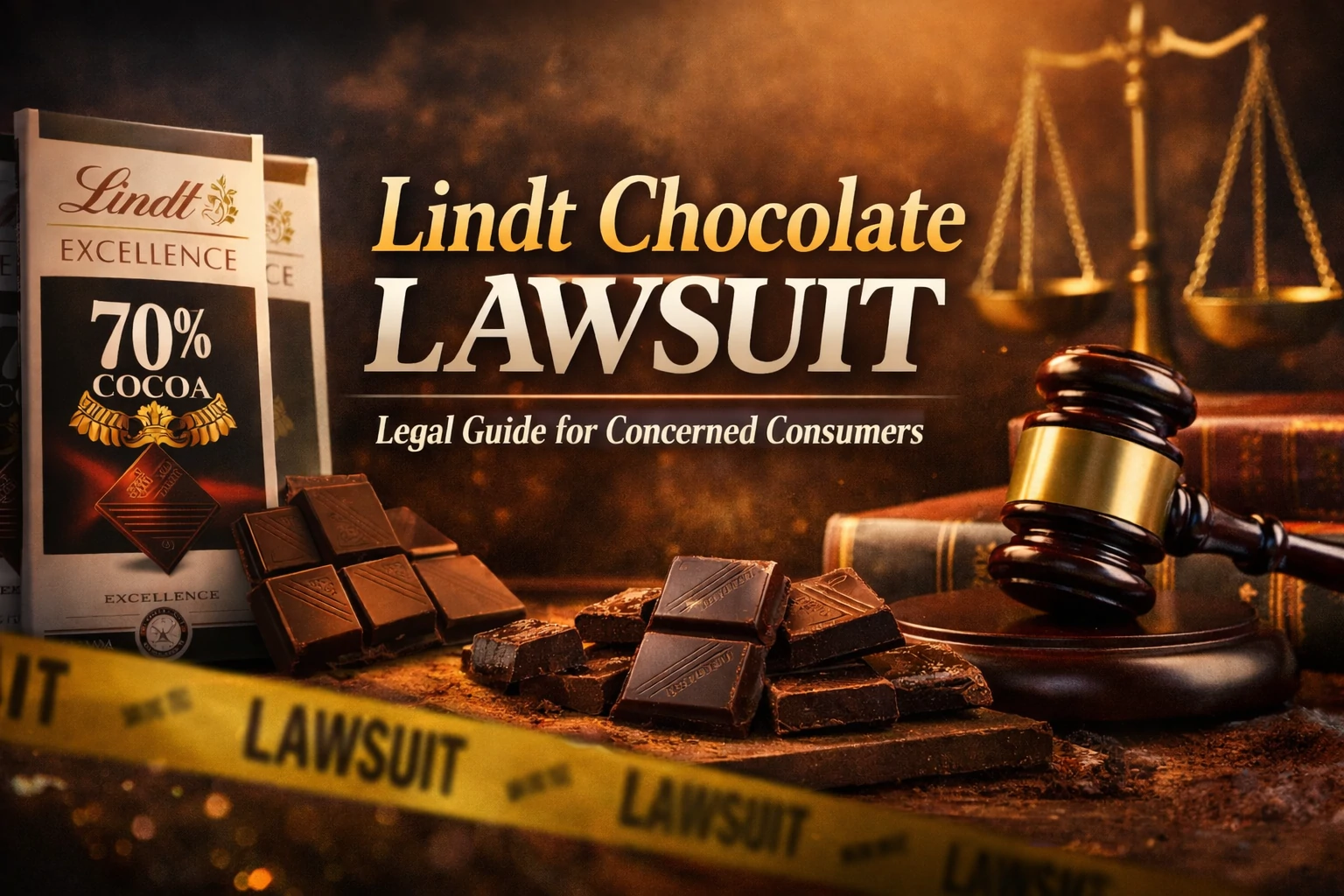
People rarely question a chocolate bar. It sits in a grocery cart beside bread and milk. It feels harmless. Lindt earned a reputation as a careful, high-end brand that stood above ordinary candy. Many buyers believed its chocolate followed stricter standards and cleaner sourcing than cheaper options. That trust now stands under legal pressure involving Lindt & Sprüngli.
A group of consumers claims that some Lindt dark chocolate products carry elevated levels of lead and cadmium. They say the company never warned the public. Courts now examine whether Lindt’s branding gave a false sense of safety.
The test results that changed everything
The controversy started with food safety testing across the United States in 2022 and early 2023. Independent researchers checked popular dark chocolate bars for heavy metals that can harm health over time. The goal focused on everyday exposure, not rare factory accidents.
Several brands showed troubling numbers. Lindt’s dark chocolate ranked near the top in some lead readings. California health rules place strict daily limits on both lead and cadmium to reduce long-term damage.
Some Lindt bars passed those limits in one serving. Reports spread quickly through news sites and health publications. Nutrition experts warned about frequent intake. Shoppers questioned what they had eaten for years. Attorneys soon stepped in and filed class action lawsuits.
What the lawsuits say Lindt failed to tell customers
No one claims Lindt added metals on purpose. The legal argument centers on silence. Consumers say Lindt presented its chocolate as premium, pure, and made with extra care. The brand used language that suggested higher safety and quality than ordinary products. Buyers trusted those messages and paid more because of them.
Plaintiffs argue that knowledge of metal exposure would have changed their choices. Many say they would not have bought the chocolate at all. The lawsuits rely on false advertising laws, failure to warn claims, and consumer protection rules.
How the case is moving through the courts
The primary lawsuit sits in federal court in New York. Buyers from California, Florida, Illinois, Alabama, and Nevada also take part. Lindt tried to shut the case down in 2024. The company argued that its advertising phrases were normal brand promotion and not promises of safety. The judge rejected that position.
The court ruled that shoppers could reasonably believe Lindt’s messaging suggested cleaner and safer products. That decision kept the lawsuit alive. The case now moves through discovery, where lawyers review company records, testing data, and internal communications. This stage often leads toward settlements or a trial.
Why these metals raise long-term health worries
Lead and cadmium do not leave the body easily. Small amounts collect over time. Doctors link long exposure to nerve problems, kidney damage, weaker bones, learning issues in children, and pregnancy complications. Even low levels can matter when consumed often.
One chocolate bar causes no instant harm. The concern comes from habits. Many people eat dark chocolate daily due to heart health claims. That routine can quietly increase metal intake.
Why does darker chocolate show higher numbers
Cocoa plants absorb minerals from the soil as they grow. Some farming regions contain higher metal content naturally. More cocoa usually means more exposure.
Dark chocolate contains far more cocoa than milk chocolate. That fact explains why testing often shows higher metal levels in darker bars. The higher the cocoa percentage, the higher the potential risk.
Milk chocolate tends to test much lower because dairy dilutes cocoa content. White chocolate usually contains almost none since it lacks cocoa solids. Most lawsuit claims center on Lindt Excellence dark chocolate lines.
How Lindt defends its products
Lindt states that its chocolate meets U.S. food safety requirements. The company also points out that heavy metals occur naturally in many crops grown worldwide.
In court filings, Lindt described its branding language as a normal advertising style used throughout the food industry. Lawyers labeled it a harmless exaggeration.
Judges did not fully accept that view. They ruled that safety impressions could shape buying decisions in real ways. That ruling allowed consumer claims to move forward.
Why the impact stretches beyond one chocolate company
This lawsuit does not stand alone. Heavy metals appear in many soil-grown foods. Rice products, baby foods, coffee beans, and supplements have already faced similar scrutiny. Courts now face a larger question about corporate responsibility when natural contamination crosses health limits.
If companies know about elevated risks, silence may no longer be acceptable. A strong ruling against Lindt could push broad changes in food testing and labeling across the industry.
Where lawyers believe the case may head
Most large consumer lawsuits do not reach a courtroom verdict. Once companies see strong evidence built, many choose to settle instead of risking a public trial. Trials bring high legal costs, public attention, and the chance of large jury awards.
In cases like this, settlements often happen after document reviews expose what a company knew and when it knew it. Internal emails, safety reports, and supplier data can shift legal pressure fast. When that happens, negotiation becomes more likely than courtroom battles.
If Lindt follows the same path as many food safety cases before it, consumers may see compensation programs rather than a long trial. Courts sometimes approve funds that repay buyers or offer fixed cash amounts per household.
Other outcomes can include required warning labels, tighter ingredient testing, and public safety reports. Some companies must share future test results with regulators for years. Timelines vary widely. Some class actions close within a year after discovery ends. Others drag on for several years if companies resist settlement terms.
Who might receive compensation later
Courts usually limit compensation to specific time periods and product types. In this case, that would likely include buyers who purchased certain Lindt dark chocolate products during years when heavy metal levels appeared in testing.
Eligibility often depends on how the settlement forms read. Some courts ask for receipts, store records, or bank statements. Others allow claims without proof when products are everyday grocery items that most households do not save receipts for.
Many past food settlements allowed simple claim forms under penalty of perjury. This approach helps average consumers participate without paperwork barriers.
Judges try to balance fairness with access. They want to stop false claims but also avoid blocking real buyers from relief. Final rules only appear once both sides agree and the court approves the settlement terms.
Practical ways consumers can lower risk now
People do not need to cut chocolate from their lives. Small changes reduce long-term exposure. Eating dark chocolate less often lowers the amount of metal that enters the body over time. Switching between brands can also reduce repeated exposure from one source.
Health agencies publish safe intake levels for lead and cadmium based on long-term risk. Staying within those ranges offers added protection.
Parents should monitor chocolate intake for children more closely since young bodies absorb metals more easily. Pregnant women should also remain cautious. Following food safety updates helps people adjust habits as new testing results appear.
The trust issue at the heart of the lawsuit
Natural contamination exists in farming. Most consumers understand that soil contains minerals. What causes anger is silence. Premium brands sell more than taste. They sell care, safety, and higher standards.
When customers pay extra for those promises, they expect full honesty about risks. When information stays hidden, people feel misled rather than informed.
This lawsuit challenges how transparent food companies must be when natural dangers rise above safe limits. It asks whether premium marketing carries greater responsibility. The outcome may reset how much companies must share with buyers across the food industry.
Why judges treat this case seriously
Many food lawsuits fail because the proof is weak. This case includes lab testing, published exposure limits, and widespread consumer impact. Courts already ruled that the claims deserve full review instead of early dismissal. That decision signals the evidence holds legal weight.
Judges also recognized that marketing language can shape real buying behavior, not just brand image. That recognition strengthens consumer protection arguments. Few food safety cases reach this stage without solid backing.
What may change across the food market
If Lindt faces major penalties or large settlements, other brands will likely adjust quickly. More companies may increase ingredient testing before products reach shelves. Suppliers may face stricter quality demands. Warning labels could become more common for products with higher natural contamination risks.
Consumers may see clearer information about what exists in everyday foods instead of vague quality claims. Over time, transparency could replace marketing language as the main trust signal. This case may influence how food companies handle natural risks for years to come.