
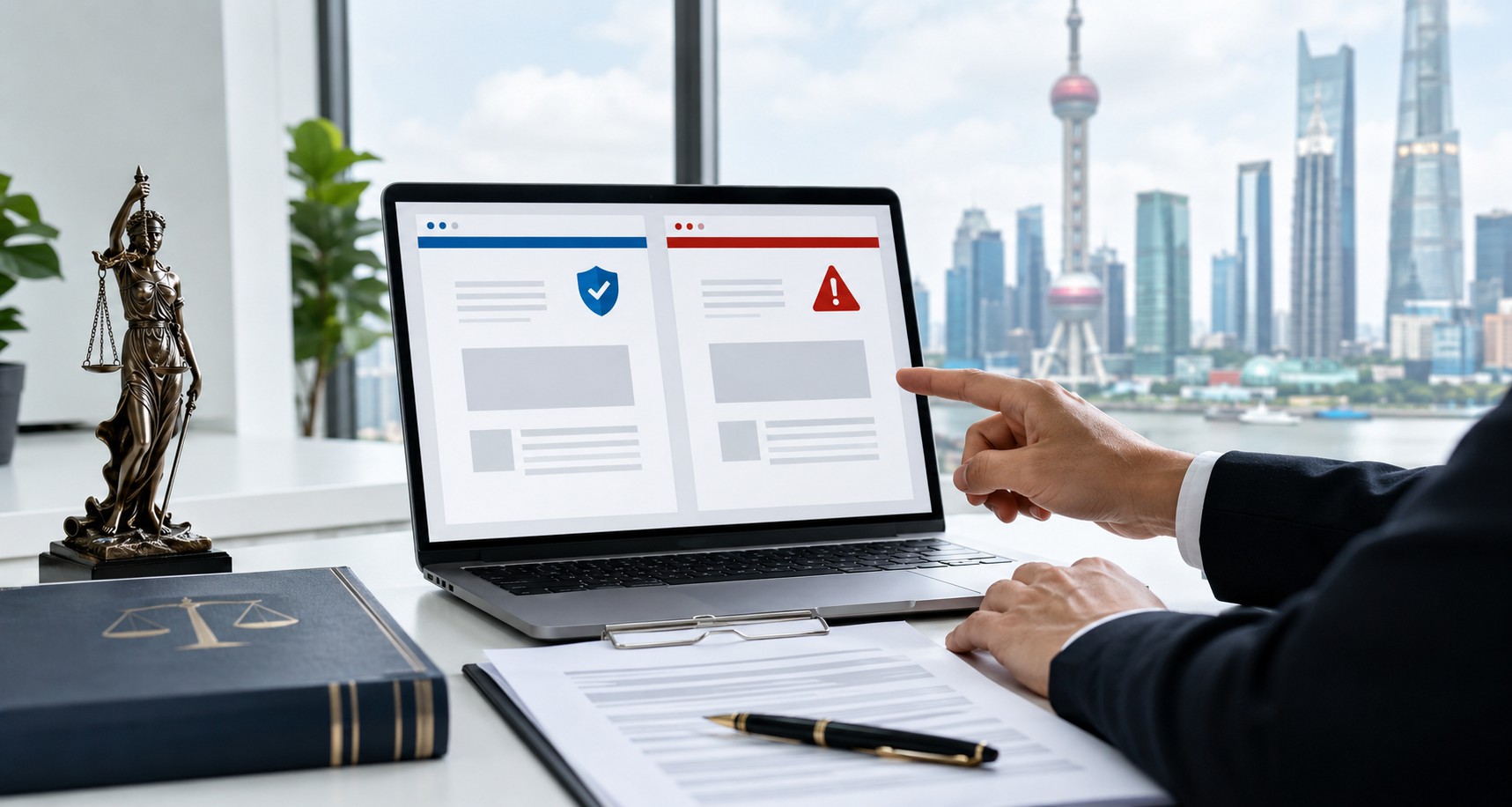
CNLawBlog refers to the well-known China Law Blog, a legal resource linked with Chinese business law, cross-border trade, contracts, intellectual property, manufacturing, and dispute risks. The real value of the blog is that it helps readers understand legal issues that often arise when a person or company deals with China. It is not an official government website. It is also not a substitute for advice from a qualified lawyer.
The warning is simple. Readers should make sure they are reading the real and reliable source before they trust any legal article under the CNLawBlog name. Some websites use similar wording, publish copied summaries, or present general content in a way that may confuse readers. This can matter because legal information is not like ordinary blog content. One wrong detail about contracts, trademarks, supplier duties, or court enforcement can affect money, rights, and business plans.
A person may look for Chinese legal information before they start a company, sign a supplier agreement, protect a brand, register a trademark, or solve a dispute with a manufacturer. During that process, they may see different pages that mention CNLawBlog or China Law Blog. Some readers may think every page with that name has the same authority. That is not safe. A copied page may miss updates, remove legal context, or fail to show who wrote the content.
This issue creates a real trust problem. Legal readers need to know who wrote the article, when it was updated, and whether it comes from a credible legal source. A student may need accurate material for research. A business owner may need to understand contract risk. A buyer may need to know what steps to take before sending money to a supplier. Each reader needs clear information, not confusion from third parties.
This article explains what CNLawBlog means, why the real China Law Blog matters, and how unofficial or copied legal pages can mislead readers. It also explains the legal risks behind copied online content and gives practical steps to check a legal source before you rely on it.
What Is the Real China Law Blog?
The real China Law Blog is a long-running legal publication created by lawyers who focus on international business and China-related legal matters. The blog discusses legal issues that affect foreign companies, investors, manufacturers, technology firms, and entrepreneurs who operate in or deal with China. For more details about its background, purpose, and legal topics, read this complete CNLawBlog guide.
The publication became popular because it explains complex legal topics in simple language. Readers can find articles about contracts, trademarks, intellectual property protection, manufacturing agreements, employment law, dispute resolution, and regulatory compliance. Many articles use real-world examples rather than technical legal language.
The blog gained credibility because practicing lawyers write many of its articles. Legal professionals often discuss practical problems that businesses face when entering the Chinese market. This approach helps readers understand legal risks before they become serious problems.
The China Law Blog is not a government website. It does not issue official legal rulings. It also does not replace legal advice from a qualified lawyer. Its value comes from education and legal commentary based on professional experience.
A reader should understand that legal blogs serve an informational purpose. Even highly respected legal publications cannot provide a complete answer for every individual situation. Laws change, facts differ, and each case may require professional review. Understanding the original source is the first step toward avoiding confusion created by copied or unofficial websites.
Why Unofficial or third-party Legal Websites Create Risks
The internet allows information to spread quickly. A useful article can appear on many websites within a short period. Some websites lawfully quote content and provide proper attribution. Others copy material without permission or publish summaries that remove important context.
This practice creates risks in the legal field. Law depends on accuracy, current legislation, court decisions, and factual detail. A copied article may omit important warnings or fail to explain limitations that existed in the original publication.
A person may read an article on a copycat site and assume it came directly from legal professionals. That assumption can create problems if the information is outdated, incomplete, or altered. Legal information often requires context. A small change in wording can affect the meaning of a legal rule.
Another concern involves website credibility. Some websites use legal language to attract visitors but provide little information about their authors, qualifications, or sources. Readers may struggle to determine whether lawyers prepared the content or whether it came from unknown contributors.
Business owners face additional risk. A company may rely on inaccurate information before signing contracts, registering trademarks, or entering a commercial relationship. Such mistakes can lead to financial loss and legal disputes.
The Legal Principles Behind Online Content and Website Authenticity
Several legal principles help explain why website authenticity matters. One important area is copyright law. Copyright protects original written content. An author generally owns rights in original articles and legal commentary. Unauthorized copying may violate those rights.
Trademark law also plays a role. A name, logo, or brand may receive legal protection if it identifies the source of services or information. A website that imitates another brand may create confusion among readers. In some cases, this conduct may lead to trademark disputes.
Consumer protection principles offer another layer of protection. Many legal systems prohibit misleading commercial practices. A website that creates a false impression about its identity or authority may face legal scrutiny if readers suffer harm because of that conduct.
Courts often examine whether a reasonable person would be confused by a website’s appearance, branding, or representations. The law does not require proof that every visitor became confused. Evidence that confusion was likely may be enough in some disputes.
Professional ethics also matter. Lawyers and law firms must usually follow rules that require honesty and transparency. These rules support public trust in legal services and legal publications.
These legal principles demonstrate why readers should pay attention to source verification. Authenticity is not merely a technical issue. It has legal and practical importance.
Is CNLawBlog an Official Legal Website?
No, CNLawBlog is not an official government, court, or regulatory website. It is a legal blog that shares general information about Chinese business law, contracts, intellectual property, manufacturing disputes, compliance, and related China legal issues. Readers should treat it as legal insight, not an official statement of law.
CNLawBlog can help readers understand common business risks and legal mistakes before they deal with Chinese suppliers, manufacturers, partners, or investors. However, a blog article does not replace advice from a qualified lawyer. Legal information explains general rules, but legal advice applies those rules to a person’s specific facts.
This difference matters when contracts, trademarks, investments, or disputes are involved. A small change in wording, timing, or jurisdiction can affect the result. Readers can use CNLawBlog as a useful research starting point, but major legal decisions should be checked against official sources and professional legal guidance.
How to Identify a Reliable Legal Information Source
A reader does not need legal training to evaluate a legal website. Several practical indicators can help determine whether a source appears reliable. The first step involves reviewing the author information. Reputable legal websites usually identify the lawyers, legal professionals, or organizations responsible for the content.
The second step involves checking publication dates. Legal rules can change over time. An article that accurately described the law years ago may no longer reflect current requirements. Recent publication dates often provide greater confidence.
A third factor involves citations. Reliable legal articles often refer to statutes, regulations, court decisions, government guidance, or recognized legal principles. References help readers confirm that claims have a legal foundation.
Website ownership also deserves attention. Readers should review the website’s About page and contact details. Legitimate legal publishers usually disclose who operates the site and how readers can reach them.
Another useful practice involves comparing information across multiple trusted sources. Consistency among reputable sources often increases confidence in the information. Significant differences may signal the need for additional research. A cautious approach helps readers avoid mistakes. Verification takes only a few minutes but can prevent costly misunderstandings later.
Real-World Examples of Why Verification Matters
Example 1: Supplier Contract Risk
A small company may plan to buy products from a Chinese supplier. The owner may read an online article about supplier agreements and assume the article gives enough guidance. If that article comes from a copied or unclear source, it may leave out key points about jurisdiction, payment terms, product defects, inspection rights, or dispute resolution.
This can create serious problems later. A reliable legal source can help the reader understand the risks, but a lawyer should review the contract before any major deal.
Example 2: Trademark Registration Risk
A business owner may read a copied article that gives incomplete information about trademark protection in China. The article may suggest that trademark registration can wait until the business becomes larger. That advice can be risky because brand protection often needs early action.
If another party registers a similar mark first, the original business may face legal disputes, extra costs, or loss of brand control in that market. This example shows why readers should check the source date, author, and legal references before they rely on online guidance.
Example 3: Student Research Risk
A student may use a legal blog post for an assignment or research project. If the student cites a copied page without checking the original source, the work may include weak or inaccurate material. The page may also fail to name the original author or legal authority.
This can affect the quality of the student’s research. A better approach is to use the original legal publication, check official sources, and cite credible material. Good legal research depends on accuracy, not only easy access.
Example 4: Investor Compliance Risk
If the article is old, copied, or vague, the investor may misunderstand compliance duties, contract risks, licensing needs, or dispute exposure. This can affect investment decisions. It does not replace due diligence, but it can guide the reader toward safer next steps.
What Readers Should Do Before Relying on Legal Information
Readers should approach online legal information as a starting point rather than a final answer. Legal articles often provide useful guidance, but they rarely address every fact that may exist in a real dispute or transaction. A sensible first step is to identify the original source. If an article appears on several websites, readers should locate the earliest or most authoritative publication. Original sources often contain additional context and updates.
Readers should also look for supporting legal references. Statutes, regulations, court decisions, and government publications can strengthen confidence in the information. Unsupported claims deserve closer examination. Professional legal advice may become necessary when significant rights or financial interests are involved. A qualified lawyer can assess facts, identify risks, and explain how the law applies to a specific situation.
Documentation also helps. Individuals and businesses should keep records of contracts, communications, registrations, and compliance efforts. Good records can support legal positions if disputes arise later. Careful research does not eliminate all risk, but it significantly improves decision-making. A few extra steps today can prevent major problems tomorrow.
When Should You Speak to a China Business Lawyer?
You should speak to a qualified China business lawyer before a transaction or dispute could affect significant money, intellectual property, contract rights, or access to the Chinese market. Early advice can reveal risks that a general legal article cannot assess.
Professional help may be necessary when you:
- Sign or revise a supplier, manufacturing, licensing, or distribution contract.
- Register or protect a trademark, patent, copyright, or trade secret.
- Form a company, joint venture, or commercial partnership in China.
- Face defective products, missed deliveries, unpaid invoices, or contract breaches.
- Need to confirm licences, sanctions, import rules, export controls, or regulatory duties.
- Receive a legal demand, court document, or notice from a government authority.
- Plan to send a large deposit or disclose confidential product information.
A lawyer can review the parties, documents, payment terms, governing law, and dispute clauses before commitments become difficult to reverse. The lawyer can also explain whether a proposed agreement can be enforced and what remedies may exist if the other party fails to perform.
Legal advice is most useful before a contract is signed or money changes hands. CNLawBlog may help readers recognize a concern, but only a qualified professional can assess the facts and recommend suitable action.
Conclusion
The real China Law Blog is a respected legal resource that discusses China-related business and legal issues in practical language. Confusion arises because copied articles and unofficial websites sometimes appear under similar names or publish related content.
Readers should verify authorship, publication details, legal sources, and website ownership before relying on any legal information. Copyright law, trademark principles, consumer protection rules, and professional ethics all support the importance of authenticity and transparency.
Online legal content can be valuable, but it should never replace careful verification. The safest approach is to treat legal articles as educational resources and seek professional advice when important legal rights or business decisions are at stake.
Legal Sources and Notes
- Berne Convention for the Protection of Literary and Artistic Works.
- World Intellectual Property Organization (WIPO) guidance on copyright and trademark protection.
- General principles of consumer protection law regarding misleading representations.
- Professional conduct rules that apply to lawyers in many jurisdictions.
- Official publications and legal commentary relating to international business law and intellectual property protection.
Disclaimer: This article is general information only and is not legal advice.