Renting a home in Germany is normal. Many families, students, and workers live in rented flats for many years. The law in Germany supports this. It gives tenants a safe position. It also gives landlords clear rights. The goal is balance. Even with this balance, disputes still happen. A simple issue can turn into a legal fight if one side does not follow the rules.
Most disputes start with rent, repairs, or contract terms. Sometimes a landlord wants a higher rent. Sometimes a tenant wants a repair that never happens. Sometimes the landlord wants the flat back. Tenants do not always know what the law allows. Landlords do not always explain their actions. This creates fear, stress, and confusion. A person who does not know their rights may agree to things that the law does not require.
German rental law is strong, but it is not always easy. Many rules sit in the German Civil Code (BGB). The language there feels formal. People who do not work in law find it hard to read. That is why tenants and even some landlords need a clear guide. A guide in plain words tells you what you can do, what you must do, and what you should never do.
This long guide explains rent contracts in Germany. It explains what the law says about increases, repairs, deposits, and notices. It also shows how to act if a dispute starts. You can read it as a tenant. You can read it as a small landlord. You can use it to protect your home and your peace. The aim is not to attack any side. The aim is to show the legal path.
How German Rental Law Works
German rental rules sit mainly in Sections 535 to 580a of the Civil Code. These sections explain the basic deal. A landlord gives a flat or house to a tenant to use. The tenant pays rent and respects the property. The landlord keeps the home in good condition and respects the tenant’s privacy. Neither side may ignore the law even if the contract says so.

German law treats tenants as people who need strong protection. This is because tenants depend on their home. A person can lose money and recover. A person who loses a home faces more harm. So the law limits sudden rent increases, unfair termination, and hidden costs. It also gives tenants tools to act when a landlord does not fix problems.
Most rent contracts in Germany do not have an end date. These are open-ended contracts. A tenant can end such a contract with three months’ notice. A landlord can only end it with a valid reason. This is different from some other countries. In Germany, a landlord may own the property but still must follow strict rules before taking it back.
💡 Expert Tip
Always ask for a handover report when moving in or out. It protects both sides. You can write it yourself or download a template online. Keep signed copies safe.
The Rent Contract: What It Should Cover
A rent contract in Germany should be clear. It sets the legal rules for both sides. The document must outline the basic details and avoid hidden conditions. Every tenant should check the full contract before signing.
A proper rent contract should include:
- Names of both the tenant and the landlord
- Full address and description of the flat or house
- Rent amount and payment due date
- Extra costs such as heating, water, or building charges
- Deposit amount and how it will be handled
- Start date of the rental period and notice period for ending
- Any house rules or terms on pets, subletting, or renovations
If any clause looks unfair or too strict, tenants should ask questions. Contracts must follow German rental law. If a clause breaks the law, the law still wins. Tenants should keep a signed copy for future use.
Why Disputes Start
Disputes do not appear from nowhere. They grow from daily life. A landlord raises the rent too high. A tenant pays late too often. A landlord refuses to fix mold. A tenant drills holes in every wall. A landlord wants the flat for a son or daughter. A tenant refuses to leave. Each of these situations has rules in German law.
Many disputes start because one side does not write things down. A tenant reports a defect by phone. The landlord forgets. The problem continues. The tenant loses patience and reduces rent. The landlord sees a lower payment and sends a warning. Now the dispute is real. This could have been avoided if the tenant wrote an email or letter that could be shown later.
Another cause is lack of knowledge. Some landlords do not know that an increase must follow the local rent index. Some tenants do not know that rent reduction must have a real reason. A person who knows the rule can stop a dispute early.
Rent Increases Under German Law
A landlord may raise rent, but the law sets limits. The increase must fit the market in that area. Most cities have a rent table called the Mietspiegel. It shows what other, similar flats cost. The landlord must refer to this. The increase must not be higher than the limit in that region. In many places the limit is 20 percent over three years. In tense housing markets, it can be 15 percent.
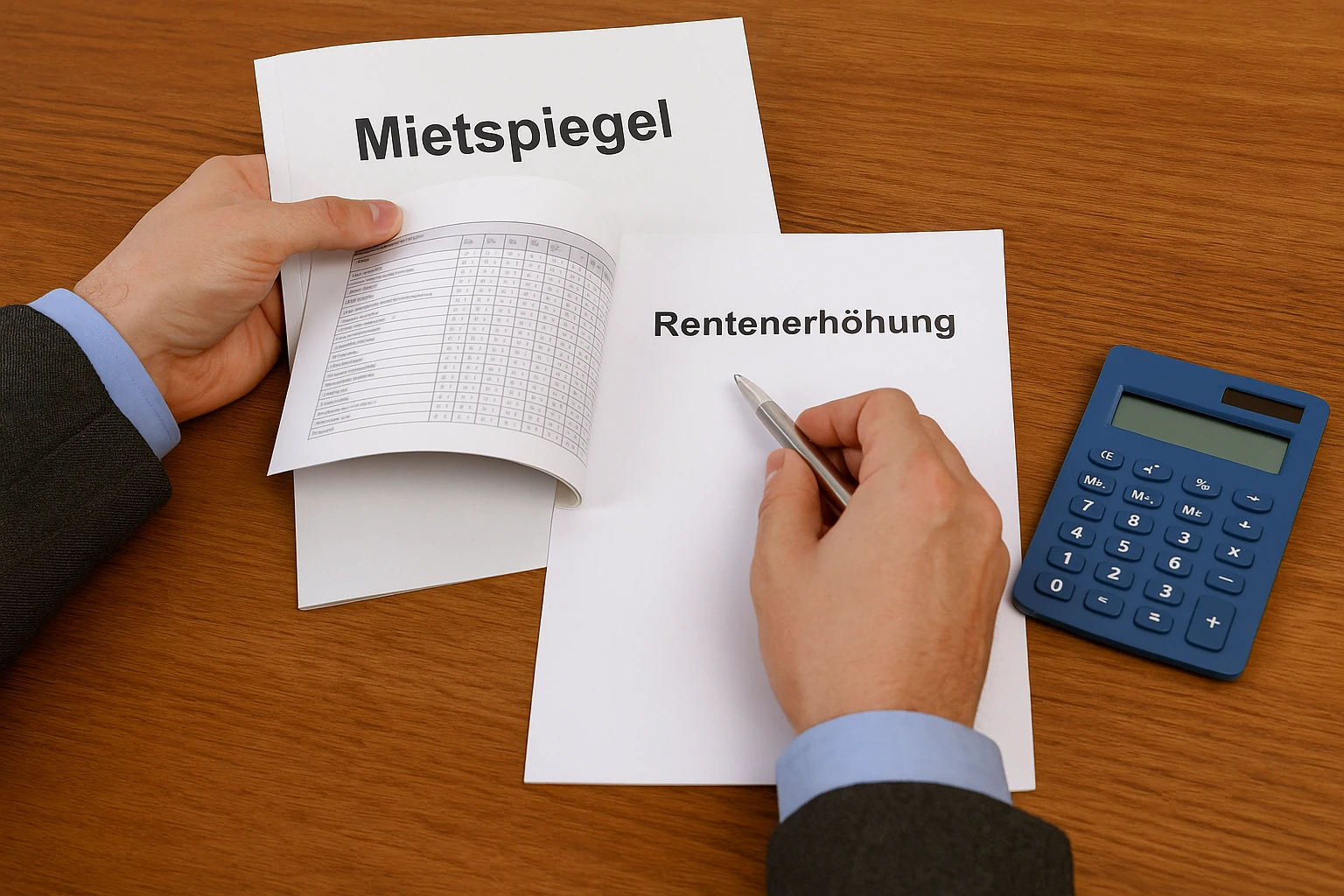
The landlord must send the increase in writing. The letter must say why the increase is fair. It must show the new amount. The tenant does not have to accept it at once. The tenant can compare the increase with the Mietspiegel. If it looks too high, the tenant can refuse. If the landlord still wants the increase, the landlord must take legal action. Until a court agrees, the tenant pays the old rent.
This process protects tenants from sudden shocks. A landlord cannot double the rent just because demand is high. A tenant who knows this can stay calm. That tenant will not sign away money out of fear.
How to Reduce Rent Legally in Germany
Rent reduction is legal in Germany. The law calls it Mietminderung. If your flat has serious issues, you can pay less rent. You must report the problem first. You must give your landlord a fair chance to fix it. The issue must affect your use of the home. Common examples are no heating, mold, leaks, or broken doors.
Do not guess the amount. Use past court cases or ask a tenant union. Always keep proof. Take pictures. Keep letters and emails. Never stop paying rent completely. That can lead to court. Instead, reduce rent and explain why in writing.
If your landlord fixes the issue, you must return to full rent. Rent reduction only works during the problem. If your landlord refuses to fix the issue, you can take legal step
Repairs and the Duty to Maintain
A landlord in Germany must keep the rental unit usable. Heat must work. Water must flow. Windows must close. The roof must keep out rain. If there is mold that is not the tenant’s fault, the landlord must fix it. If pipes break, the landlord must repair them. This is part of the basic deal in the Civil Code.
A tenant must report defects. It is better to do this in writing. A short letter or email that says “the heater does not work since Monday” is enough. After this, the landlord has time to act. If nothing happens, the tenant can reduce rent. The size of the reduction depends on how bad the problem is. A flat with no heat in winter allows a larger cut than a flat with a broken door handle.
A tenant should not stop paying all rent without advice. Courts do not like tenants who act too hard. A tenant should collect proof. Photos, videos, and witness notes can help. If the case goes to court, proof will show that the tenant was fair.
What to Do If Your Landlord Refuses to Make Repairs
You have the right to a safe and working home. If the landlord refuses to make repairs, act fast. Send a letter or email that describes the problem. Include the date. Give the landlord a deadline. Keep a copy of your message.
If the landlord does not act, contact your local housing office or tenant union. You may reduce your rent. In serious cases, you may hire a repair company and deduct the cost. But only do this after legal advice. Courts expect tenants to act fairly. Never take action in secret. That can harm your case later.
Deposit and Move-Out Conflicts
Most rent contracts in Germany ask for a deposit. The law allows up to three months’ cold rent. The landlord holds this money as security. It is not a gift. The landlord must protect it. When the tenant moves out, the landlord must return it. The landlord may keep part of it only if there is real damage or unpaid rent.

Many disputes start at this point. A tenant leaves. The landlord claims damage. The tenant says the flat already looked like that. The law gives the landlord some time, often up to six months, to check bills and repairs. But the landlord cannot keep the deposit forever. The landlord must explain in detail why money stays.
A tenant can avoid trouble with a handover report. At the start of the rental, the tenant and landlord can walk through the flat and write down the condition. At the end, they can do this again. Photos help. A tenant who can show “this scratch was here at the start” often wins the deposit back.
What Should Be in a Handover Report (Übergabeprotokoll)?
The handover report protects both the tenant and the landlord. It gives a clear record of the flat’s condition. A good report avoids confusion and helps with deposit refunds.
The report should include:
- Full condition of each room, item, and fixture
- List of visible damage, scratches, or missing items
- Photos taken in clear light from different angles
- Labels or notes for each photo or issue found
- Signatures from both the landlord and the tenant
- Date of handover, and mention of any keys exchanged
Both sides should walk through the flat together and agree on what they see. Each should keep a copy of the report. This step avoids false claims after move-out.
📋 Quick Handover Checklist
- Document room conditions
- Take clear, timestamped photos
- Write down any wear or damage
- Both parties sign the report
- Keep a printed and digital copy
Ending the Contract
Tenants in Germany can end most open-ended contracts with three months’ notice. The notice must be in writing. It must reach the landlord in time. It should state the date when the tenant wants to leave. The tenant does not need to give a reason. This gives tenants freedom to move for work or family.
Landlords cannot end a contract so easily. They must have a valid reason. Non-payment is a valid reason. Serious disturbance of neighbors is a valid reason. Personal need is also a valid reason. Personal need means the landlord or a close family member wants to live in the flat. Even then, the landlord must respect notice periods. The longer the tenant has lived there, the longer the notice.
If a landlord sends a notice, the tenant should read it carefully. A tenant should check if the reason is real. A tenant should also check if the notice period is correct. Many tenants accept notices that are not valid. A tenant who doubts the notice should speak to a tenant union at once.
How to Legally Terminate a Lease Early in Germany
You can leave before the end of your lease, but you must follow the law. Some tenants leave due to work, family, or health. Most landlords require three months’ notice. If you want to leave sooner, offer a new tenant. This is called a Nachmieter. The new person must be suitable and ready to take over the lease.
The landlord must check this person in a fair way. If they say no without reason, you may still leave. You must also return the flat in good shape. Clean it well. Fix small holes or paint if your contract asks for it. Always get proof of the handover.
Eviction and Court Action
Eviction in Germany is not simple. A landlord cannot just change the lock. A landlord cannot force a tenant to leave without a court order. If a tenant does not leave after a valid notice, the landlord must sue. The court will then look at the case. The court will hear both sides. If the landlord wins, the court orders the tenant to move out.
A tenant who receives a court letter should not ignore it. The tenant should answer on time. The tenant should explain the situation.
Courts in Germany listen to tenants who act in good faith. In some cases, the court gives more time to move. This is common when children, sick people, or older tenants live in the flat.
A tenant who loses an eviction case must follow the order. If the tenant still stays, a court officer may come. That adds more cost. So it is better to act early and seek help.
When Can a Landlord Enter Your Flat in Germany?
Your home is your private space. A landlord cannot enter at any time. They must ask. They must give notice. In most cases, this should be at least 24 hours. The reason must be real, such as checking damage or reading meters.
They cannot enter to show the flat to buyers unless you agree. If they come often or without asking, you can stop them. Write a letter. Ask them to follow the rules. If it continues, speak to a tenant union or lawyer. The law protects your peace at home.
How to Handle a Dispute the Smart Way
A dispute does not have to become a war. A tenant can handle it step by step. First, collect facts. Keep the contract, rent receipts, emails, and letters. Second, write to the landlord. Many problems resolve when the message is clear. Third, join a tenant association, called a Mietverein. These groups exist in many German cities. They know the law. They help members write strong letters. They help in court.

A tenant who stays calm often wins. A tenant who writes instead of only calling often wins. A tenant who knows the rules often wins. The law is on the tenant’s side in many areas. But the tenant must show the court that they tried to solve the problem in a fair way.
Is Verbal Rental Agreement Valid in Germany?
A verbal rent contract is legal in Germany. But it is risky. Without writing, each side may say something different. Courts accept oral agreements, but proof becomes harder. If your landlord offers no contract, ask for one in writing. You can still live in the flat and pay rent, but problems may follow later.
Always keep bank records of rent payments. Save texts or emails. Take photos at move-in. If your landlord refuses a written contract, contact a tenant group. They can help. You need proof of your rights.
Landlord Rights in the Same System
The law protects landlords too. A landlord has the right to receive rent on time. A landlord has the right to see the flat at reasonable times to check its condition, as long as the landlord gives notice. A landlord has the right to ask for a deposit. A landlord has the right to end the contract if the tenant breaks important rules.
This balance matters. A tenant who does not pay rent risks a warning. If the tenant still does not pay, the landlord can end the contract without long notice. A tenant who damages the flat on purpose may pay for repairs. A tenant who refuses all contact makes the situation worse.
So both sides must respect the contract. Both sides must respect the law. When both do that, disputes stay small.
Role of Tenant Unions and Legal Advice
Tenant unions in Germany play a strong role. Many people join them even when no problem exists. The fee is small. In return, members receive legal advice, contract checks, and help with letters. Some unions also help in court cases. This support can make the difference between losing a home and staying.
Lawyers who work in rental law can also help. A tenant should seek one if the case is large, such as an eviction or a big rent increase. A lawyer knows the latest court rulings. A lawyer can also explain if a local rule in a city affects the tenant’s rights.
How to Join a Tenant Union (Mietverein) and Why It Helps
Tenant unions in Germany help you protect your rights. Most cities have one. Joining costs a small fee each year. In return, you get legal help, contract reviews, and support in court.
You can join online or visit their office. Bring your ID and rent contract. If you face a problem, they help you write letters, answer your landlord, or go to court. Some unions have lawyers on staff. Joining early is smart. Do not wait for a problem to start.
Conclusion
Disputes in rental life are normal. A home is personal, so even small problems feel big. In Germany, tenants do not stand alone. The law gives clear rights. It sets clear limits on rent increases. It forces landlords to repair. It blocks unfair evictions. It gives tenants time to move. It allows tenants to challenge illegal contract terms.
A tenant who understands this can protect a home. The best path is always clear action. Read the contract. Keep written proof. Talk to the landlord in a firm but calm tone. Contact a tenant union early. Do not sign anything that feels wrong. Do not stop paying rent without advice. Do not ignore court letters.
A landlord who follows the law will also be safe. A tenant who follows the law will also be safe. German rental law is built to keep housing stable. Use it. Stay informed. Stay organized. That way rent contract disputes will not control your life. You will control them.
📣 Share Your Story
Have you faced a rent contract problem in Germany? Share your experience in the comments below. Your advice might help someone avoid legal trouble.
Frequently Asked Questions
What should I do if my landlord raises the rent without notice?
The law requires written notice before any rent increase. The notice must show the reason and compare the new amount with local rent levels. If no notice was given, the increase is not valid.
Can I stop paying rent if my flat has mold or no heating?
You have the right to reduce your rent if the flat becomes unfit. You must first report the issue in writing and give your landlord time to fix it. Keep proof and act calmly. Never stop paying rent without advice.
How long can my landlord keep the deposit after I move out?
Landlords usually have up to six months to return your deposit. They may keep part of it only for unpaid rent or real damage. They must explain the reason clearly in writing.
Is it legal for my landlord to enter my flat without asking?
A landlord must ask and give notice before entering. In most cases, they must tell you at least 24 hours before. You can refuse entry if the visit seems unfair or too often.
What happens if I receive an eviction letter from the landlord?
An eviction notice must include a legal reason and follow the correct time period. You should not ignore it. Check the facts, and contact a tenant union or lawyer. Courts often give more time to move if the reason is weak.
Disclaimer: This article gives general legal info, not personal advice. Always speak with a lawyer or tenant union in your area before you take legal action.