False advertising causes real problems. It misleads buyers, damages trust, and creates unfair situations. Most people believe big brands like Home Depot follow rules. But in 2024, that belief got shaken.
It has thousands of stores and millions of customers. Yet even large companies must answer to the law. A major lawsuit revealed that some of Home Depot’s pricing practices were not fair to shoppers. The company faced serious claims involving false advertising.
The lawsuit made headlines. News spread fast. People started asking questions. What happened? Did shoppers lose money? Is there a payout? Can I sue for false advertising too? These are fair concerns. This article will explain the full case, legal facts, and your rights as a buyer. If you care about honest pricing, this guide is for you.
What Did Home Depot Get Sued For?
Home Depot faced legal trouble for scanning higher prices than what was listed on shelves. This kind of practice breaks consumer protection laws. Many customers believed they were being charged more than what was advertised.
In California, local prosecutors brought the case. They accused the company of overcharging shoppers and failing to fix price tags that showed different prices from what scanned at the register. These mistakes were not one-time errors. The lawsuit said they happened often and across multiple locations.
This kind of price mismatch falls under false advertising. When a shelf tag says one price, but the checkout shows another, that creates confusion and financial harm. Even small overcharges add up over time especially across thousands of transactions.
Who Took Legal Action Against Home Depot?
Local prosecutors in California filed the case. The action came after multiple price checks at different stores showed wrong charges. The District Attorney’s Office in Santa Clara County led the effort. Other counties supported the investigation.
Their goal was simple. They wanted Home Depot to fix the scanner errors. They also wanted to stop future price problems before they hurt more buyers. The lawsuit was not based on one mistake. It was built on many examples over time.
Did Home Depot Pay Nearly $2 Million to Settle Suit Alleging It Overcharged Shoppers?
Home Depot agreed to pay nearly $2 million to settle the lawsuit. The settlement came in early 2024 and was part of a broader investigation into pricing problems. The payment included civil penalties and the cost of setting up a new price accuracy system.
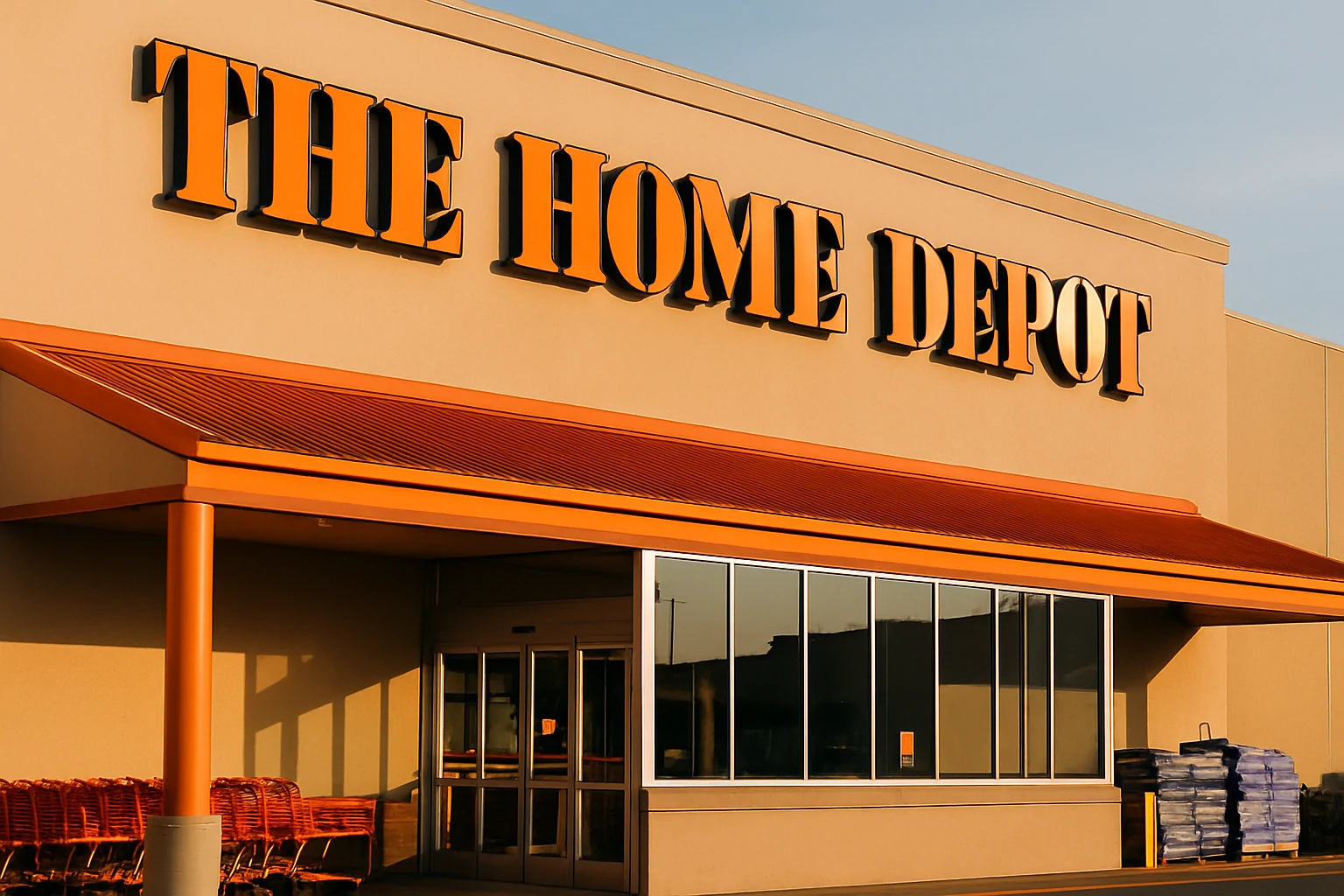
The company did not admit guilt. But it agreed to change how it manages pricing. Under the deal, Home Depot must follow strict price check procedures. It must also make sure all shelf tags match the final charge. This helps protect future customers from being misled at checkout.
Even without admitting fault, a payment that size shows how serious the problem was. It also proves that state laws can hold large companies accountable. That’s a good sign for shoppers.
What Is the Price Accuracy Program Home Depot Must Follow Now?
Home Depot must follow a court-ordered price accuracy program. This came from the 2024 settlement. The company must now prove that it charges customers the correct price every time. The program aims to prevent future mistakes and protect shoppers from paying more than they should.
California’s legal team did not want promises. They wanted action. That is why the court ordered Home Depot to follow strict new rules across every store in the state. These rules apply daily. They focus on how prices show up on shelves and at the register.
New Rules for Pricing at Checkout
Each Home Depot store must now check price accuracy more often. Managers must test scanners on a set schedule. They must also check that shelf tags show the same price as the register.
If a product scans at a higher price than what is on the shelf, the store must give the customer the lower price. That rule is not optional. It is now a part of the store’s daily routine.
Staff must update price tags as soon as the system changes. The court wants no delays between a digital price change and the price a shopper sees. One mistake can affect many sales. That is why fast updates are now required.
Reports and Audits
Home Depot must keep written records of every price check. These reports must list the item, the shelf price, the scanned price, and the result of the check.
Each store sends these reports to the state. Officials then audit the store’s performance. If the store fails too many tests or skips checks, it can face more legal trouble. California does not allow repeat mistakes.
The audits also help the state track patterns. If one store breaks the rules often, the state can step in fast. That keeps every location in line and protects every shopper.
Better Training for Workers
Home Depot must now train all workers who handle pricing. That includes cashiers, department heads, and store managers. They must learn how to spot errors and fix them before they reach the checkout.
Training sessions cover how to read reports, check scanners, and update shelf tags. Staff must follow a checklist. Managers must sign off on scanner checks each day.
The court wants pricing to become part of each employee’s job not just a task for a few people. That makes the system stronger. It also makes sure shoppers get the right price at every location.
Home Depot False Advertising Lawsuit Payout Details
Many people want to know how much they might get from the lawsuit. The truth is, the payout was not a class action where each shopper receives a check. The $2 million settlement was split between California counties and used for consumer protection work.
This means that individual shoppers will not get direct payments. However, the case sets a strong example. It shows that companies must take pricing seriously. It also opens the door for future lawsuits if new violations happen.
If you shopped at Home Depot and paid more than the shelf price, keep your receipt. You might still have legal options on your own, depending on your local laws.
Home Depot False Advertising Lawsuit Update
As of late 2024, the company has started updating its price systems. California authorities confirmed that Home Depot must report progress to ensure compliance. That includes making sure all stores follow new scanner testing rules.
So far, no new charges or cases have been filed against Home Depot in other states. But legal experts say this could change. If other state agencies find the same issue, more lawsuits could follow.
Shoppers in every state should watch closely. The case might be limited to California for now, but the core problem price mismatches can happen anywhere.
Home Depot False Advertising Lawsuit Payout per Person
There is no direct payout per person in this case. The funds went to the state and not individual shoppers. That has left many people asking why they didn’t receive anything.
The answer is simple: this was a civil enforcement action, not a class action. A civil case punishes a company and helps prevent future harm. A class action usually pays affected people directly.
If you want compensation, you must file your own complaint or be part of a future class action if one is filed. You can also speak with a consumer attorney in your state.
Can You Still Take Legal Action Against Home Depot?
Yes, you can still take legal steps if you believe Home Depot overcharged you. The 2024 lawsuit was a civil enforcement case. That means it did not block individual claims. It only set rules for the company and paid penalties to the state.
Shoppers can still file their own claims. If you saw a price on the shelf and paid more at the register, that may be a legal violation. You may be able to ask for a refund. You may also have the right to sue if the problem caused clear harm.
Legal experts say these cases depend on proof. Courts need solid evidence. That means you must show the price difference and how it affected you.
Civil lawsuits give people a voice whether the issue is retail fraud or government violations under Section 1983.
What You Need
Start by collecting anything that proves your case. You should have the receipt from the purchase. If you took a photo of the shelf price, that helps a lot. Many phones now save the date and time. That shows the price was listed at the time of your visit.
Write a short note with the date and store location. Explain what happened. Did you speak to a cashier? Did they refuse to honor the lower price? Were you told the shelf tag was old? These details support your case.
If others experienced the same issue, your claim gets stronger. Shared complaints often lead to new investigations or class actions.
Talk to a Consumer Lawyer
A consumer attorney can help you understand your rights. Some lawyers offer a free review. If your case meets state standards, they may take it.
You do not need to be rich to hire a lawyer. Some law firms only get paid if they win. That makes legal action possible for more people.
If your story is part of a bigger problem, a lawyer may suggest a group case. These class actions bring shoppers together. They can result in refunds or stronger court orders.
Taking legal action can feel stressful. But it also helps others. When you speak up, you help stop unfair pricing in the future.
Is It Worth Suing for False Advertising?
Yes, in many cases, it is worth it. False advertising lawsuits can protect your rights and force companies to change. If you paid more than what was shown, you may be entitled to a refund or damages.
You should collect proof. Receipts, photos of shelf prices, and witness accounts help. Local agencies may investigate your claim. If they find a pattern, they could launch a larger case.
Even small false ads matter. They chip away at trust and can lead to big losses over time. You have a right to honest prices. If that right is violated, you can take legal steps.
Legal help matters when you feel misled or harmed just like personal injury cases involving unsafe streets or reckless drivers as seen in Milwaukee cases.
How Much Can You Sue Someone for False Advertising?
The amount you can sue for depends on your state’s laws. In most cases, you can ask for the difference between the advertised price and what you paid. If the court agrees the act was willful or widespread, you might also get extra damages.
Some states allow for triple damages in false advertising cases. That means you could get three times what you lost. Legal fees may also be covered in some cases.
Keep in mind that suing can take time. Talk to a lawyer before filing. They can guide you and explain your best options.
Keen False Advertising Class Action Lawsuit
Keen, the footwear brand, also faced a false advertising class action lawsuit. This case involved claims about product labeling and price markdowns. Buyers said Keen misled them into thinking they were getting bigger discounts than they were.
The case showed how false advertising is not limited to one industry. Whether it’s shoes or building tools, misleading prices are a serious legal issue. These cases help set legal standards that apply across all retail sectors.
If you bought a product from Keen and felt misled, check online for updates. You may still qualify for part of a settlement if the case is ongoing.
More Brands Facing False Advertising Trouble
Home Depot is not the only company to face legal heat over false claims. Many major brands across the U.S. have been called out for misleading prices, ads, or labels. These cases show that no business is too big to follow the law. Truth in advertising is a right that protects all buyers, no matter the store.
TurboTax Lawsuit
TurboTax made headlines when it claimed to offer “free tax filing.” But many users later found hidden fees during the process. They believed the full service was free, but were charged for things like state returns or extra forms.
The issue sparked a national lawsuit. It led to a large settlement and public warnings. TurboTax had to change its ad language and offer refunds to many users. The case showed how just one word “free” can create big legal trouble if it misleads the public.
Walmart and “Rollback” Pricing
Walmart also ran into problems with its rollback deals. Some shoppers said the rollback price was the same as the regular price. Others said it was even higher than before.
Courts looked into price history and found patterns. Even small overcharges added up. Walmart faced pressure to improve how it presents discounts. The case reminded stores that all price cuts must be real not just marketing tricks.
More Brands Under Watch
Other big brands like L’Oreal, Kohl’s, and Amazon have also been challenged in court. These cases involved fake “original prices,” unclear subscriptions, or misleading product claims. Some involved skincare. Others involved electronics or food labels.
These lawsuits prove that false advertising is not limited to one product type. It can happen online or in stores, in mobile apps, or on TV screens. But the rules stay the same. A company must say what it means and mean what it says.
Why These Cases Matter
These cases protect more than just one shopper. They help set clear rules that protect all buyers. When one company is punished, others take note. That helps keep future ads fair.
False claims may look small, but they chip away at trust. These legal actions remind everyone truth matters at the register, on the box, and in every ad.
Home Depot Lawsuit 2024 Overview
The 2024 Home Depot case came after months of investigation. California counties led the legal action. They collected data, reviewed customer complaints, and checked scanner accuracy at multiple stores.
Their findings showed a clear pattern. Shelf prices and checkout prices often did not match. Home Depot was warned in the past, but problems continued. That led to the $2 million deal and a strict agreement to fix the issue.
This lawsuit is one of the biggest false advertising cases of the year. It reminds other businesses to follow pricing laws or face similar action.
MTN Dew VooDew 2024 Flavor Lawsuit Comparison
MTN Dew also faced criticism in 2024 for its VooDew flavor. Some consumers said the label was misleading. They expected a certain flavor but got something different. Though not as large or costly as the Home Depot case, it raised new concerns.
Marketing and product claims are closely tied to consumer expectations. If a label creates a false impression, it can be called false advertising. The MTN Dew situation shows how even drink flavors can become legal matters.
The lesson is simple. Every word and image used in marketing matters. Whether in soda or tools, truth sells and lies cost.
What to Do If You Suspect False Advertising
If you notice a price that doesn’t match at checkout, take action. Ask for a correction right away. Keep the receipt and take a photo of the shelf label.
Next, file a complaint with your state’s consumer protection agency. Many states have online forms. You can also contact your local district attorney’s office.
If many people report the same issue, it may trigger an investigation. In some cases, it could lead to refunds or even a lawsuit. Stay informed, and don’t ignore overcharges.
Can You Report False Advertising Without a Lawyer?
Yes, you can report false advertising without hiring a lawyer. Every state gives you the right to report unfair business practices. If a company misleads you about a price, feature, or promotion, you can take action yourself.
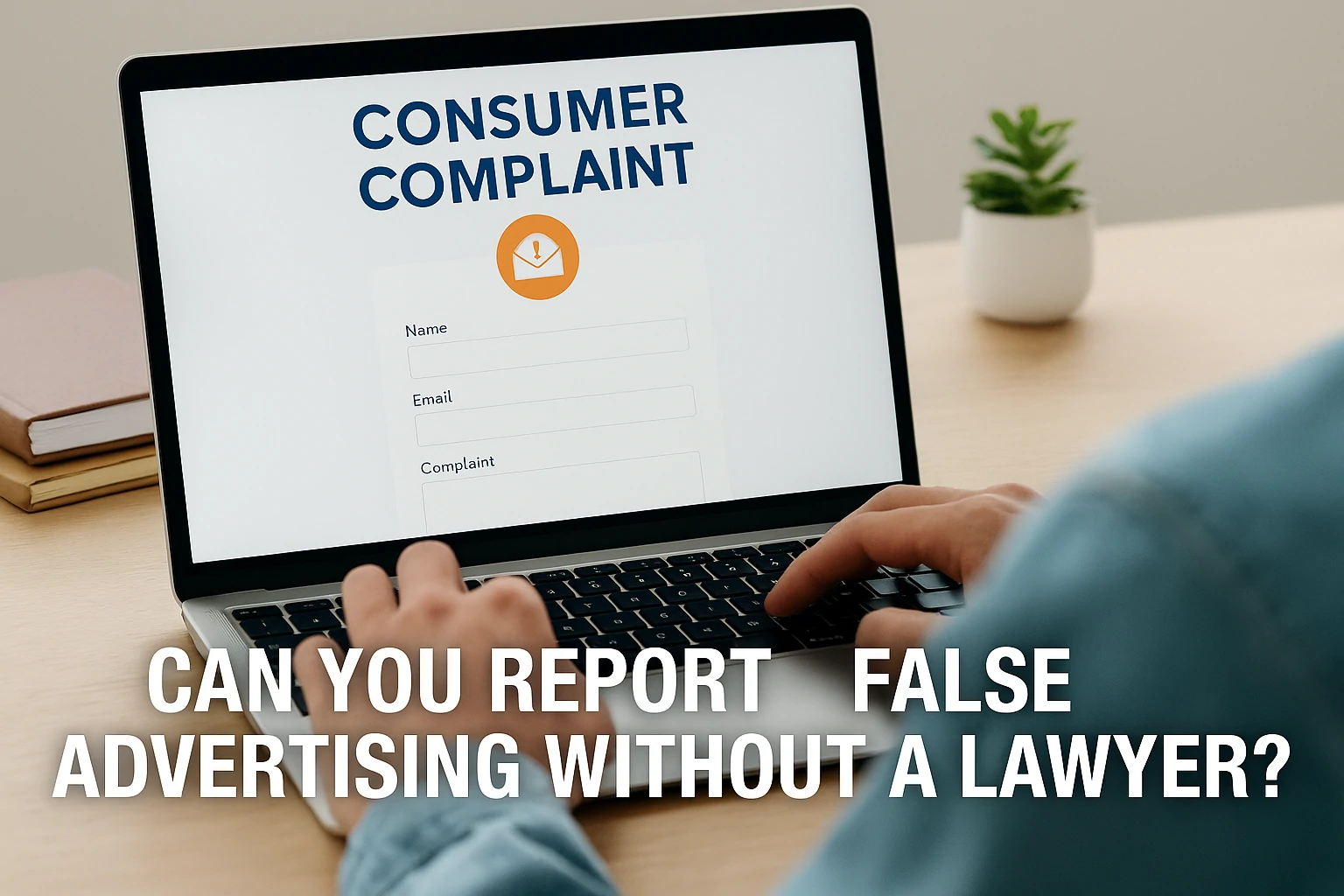
You do not need legal training. You only need to share what happened in clear and simple words. Your complaint will help consumer agencies spot problems that affect more people.
Even one report can lead to change. When many shoppers speak up, it sends a strong message to regulators and businesses.
How to File a Complaint
Start with your state’s consumer protection office. Most states have an online form that is quick and easy to use. Look for topics like false advertising, overcharging, or deceptive sales.
Fill out the form with your full name, contact info, and a clear summary of what happened. List the store, product, date, and what the price tag showed. Include receipts, photos, or emails if you have them.
Some states also let you mail the complaint or speak with someone by phone. That helps if you prefer talking over writing.
What Happens Next
After you file, the state may look into your complaint. If they see the same issue from other shoppers, they may open a formal investigation. That could lead to a warning, refund order, or even a lawsuit against the company.
You may not always hear back right away. But your complaint still counts. Every report adds pressure and helps protect other buyers.
Why Speaking Up Matters
False advertising often stays hidden until enough people speak out. When shoppers file reports, it shows there’s a real problem. That helps build a case for legal action or store policy change.
You do not have to fight alone. The law gives you tools to make your voice heard even without a lawyer.
Are Other States Looking Into Home Depot’s Price Practices?
So far, no new lawsuits have been filed in other states. But that may change. Consumer agencies often follow California’s lead. If price errors show up in other stores, more legal action may come.
Shoppers across the U.S. have reported scanner problems before. Some complaints went nowhere. Others led to store refunds or warnings. This case could spark deeper reviews in states like New York, Illinois, or Texas.
Why This Lawsuit Matters to Tenants and Homeowners
Many renters and homeowners shop at Home Depot. They buy tools, supplies, and hardware for small home projects. Price errors hurt those who live on a tight budget.
A $5 overcharge may not sound like much. But if it happens every time, that adds up. This lawsuit reminds shoppers to check prices. It also shows that even large stores must follow clear rules.
If you are a tenant fixing a faucet or painting a wall, fair pricing matters. You deserve to pay the correct amount, no matter how big or small the job.
Contract disputes and unclear terms can hurt tenants too as shown in rent cases across Germany.
7 Shocking Truths in Home Depot False Advertising Lawsuit
- Many shoppers paid more than the shelf price without knowing it.
- The violation was not an isolated issue it spanned multiple stores.
- Home Depot agreed to pay nearly $2 million without admitting fault.
- Individual customers did not receive checks under this settlement.
- The company must now follow strict rules and audits as part of the deal.
- Other states may investigate similar pricing practices next.
- If you acted alone, you can still pursue your own claim now.
Conclusion
The Home Depot false advertising lawsuit teaches us a lot about trust, pricing, and the power of the law. When stores break rules, they must be held accountable. Even large brands cannot ignore truth in advertising.
Though no direct payouts came from this case, it made a difference. Home Depot now faces stricter rules. Future buyers may benefit from better price accuracy. That’s a win for shoppers.
If you feel cheated by a price or a claim, don’t stay silent. Take steps. Gather proof. Report the issue. Every small action builds toward a fairer marketplace.
Frequently Asked Questions
What did Home Depot get sued for?
The lawsuit accused Home Depot of charging higher prices at checkout than what was posted on store shelves. The claims said this practice happened often across multiple stores in California.
How much can someone sue for false advertising?
The amount depends on local laws. Many states allow you to recover the difference between the advertised price and what you paid. Some cases may also include extra damages or legal costs.
Did Home Depot pay nearly $2 million to settle this case?
The company agreed to a $1.8 million settlement in early 2024. The money went to California counties and consumer protection efforts. The settlement also forced Home Depot to fix its pricing process.
Is there a payout per person in this lawsuit?
The settlement did not offer direct payments to individual shoppers. The case was a civil enforcement action, not a class action.
Is it worth suing a company over false advertising?
Taking legal action helps protect your rights. If a company misled you and caused financial harm, the court may award a refund or other relief.
Can I still take action against Home Depot myself?
Shoppers can still file personal complaints. If you have receipts or photos showing a price mismatch, a consumer lawyer may help you build a case.
What happens if I report false advertising to the state?
State agencies review reports and look for patterns. If many people report the same issue, they may open an investigation that leads to refunds, warnings, or lawsuits.