
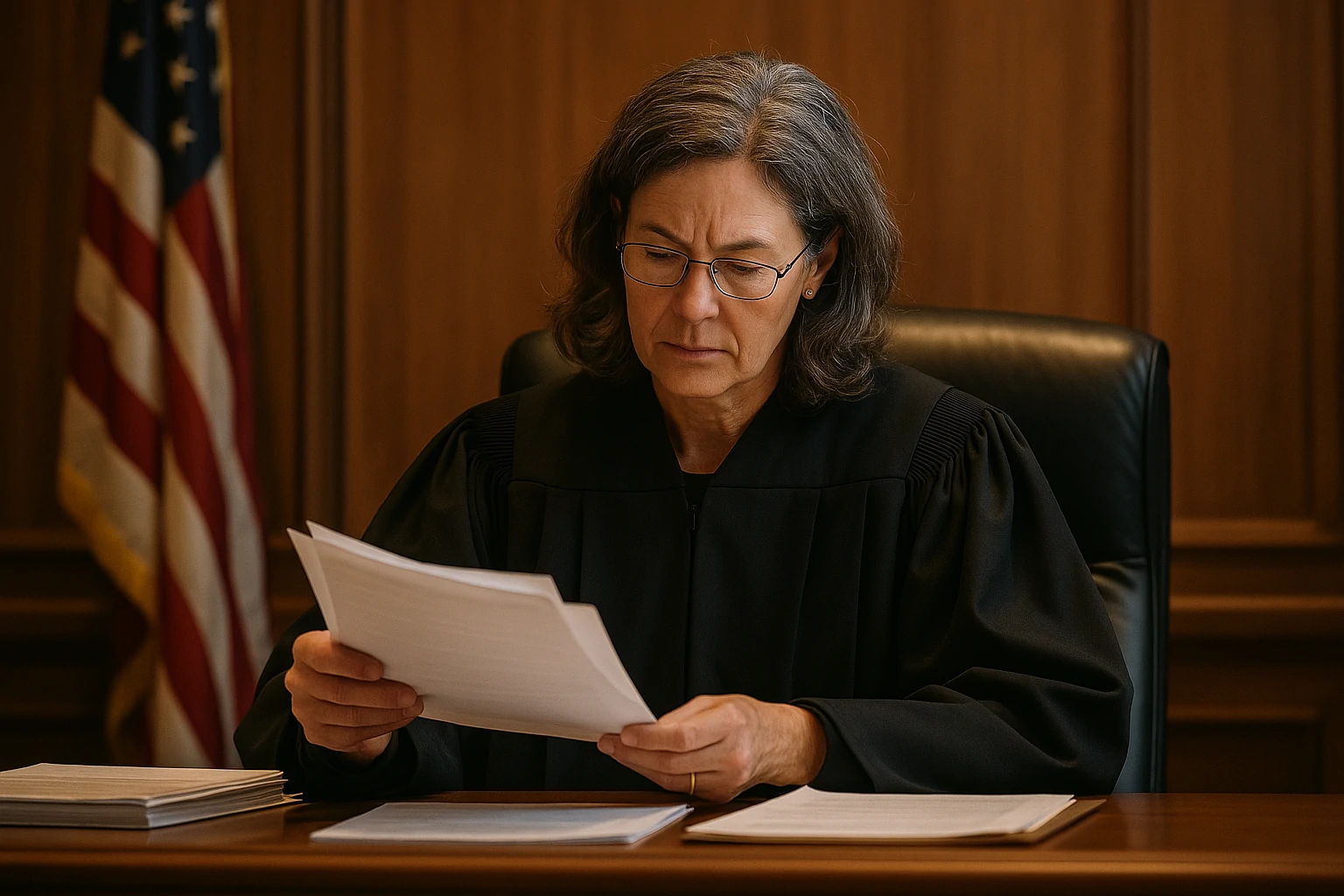
Maria E. Berkenkotter serves on the Colorado Supreme Court. She has built a long career in law and public service. Her work touches many areas, but one key part stands out.
That part is civil rights. In her role, she helps shape how courts apply the law. She looks at how people are treated, how laws protect them, and how justice should work in real life.
Civil rights are not just about history. They shape how people live today. They protect speech, privacy, fairness, and equal treatment. Berkenkotter is not a civil rights activist. She is a judge.
But her role matters. She helps decide what rights mean in real terms. Her opinions have power. They affect people, courts, and future rulings. This article looks at her background, career, major decisions, and her place in civil rights law.
Her Legal Background and Experience
Maria Berkenkotter earned her law degree from the University of Denver. Before that, she went to Western Michigan University. She started her career in private legal practice. After that, she joined the Colorado Attorney General’s Office. She worked in the consumer protection and antitrust sections. There, she focused on public interest and fair trade.
Her work in state law helped her understand how laws affect everyday people. She worked on big cases that dealt with fraud, unfair pricing, and tobacco regulation. These cases helped protect both consumers and state rights. It gave her real experience in balancing law and fairness.
In 2006, she became a district court judge in Colorado’s 20th Judicial District. She later served as Chief Judge. In that role, she did not just hear cases. She helped manage the court system. She worked on civil cases, criminal trials, and legal reforms. Her work gained respect for fairness, clarity, and leadership.
In 2021, Governor Jared Polis appointed her to the Colorado Supreme Court. That gave her a new role in shaping how the highest state laws work. Since then, her opinions have touched on many rights-based issues. From digital privacy to discrimination, her voice has helped set legal standards.
Understanding the Judge’s Role in Civil Rights
Judges do not write the laws. That job belongs to lawmakers. Judges read the law, study facts, and decide what laws mean. But even without writing laws, they shape how laws work. A judge’s ruling can set a new rule for every other court in the state. That makes their role in civil rights strong.
Civil rights laws come from both state and federal rules. They include the right to free speech, fair trials, privacy, and equal treatment. Judges apply these rights to real situations. When police search a phone, when a business denies service, or when someone feels targeted, a judge helps decide if the action was legal.
Berkenkotter’s job is not to take sides. Her duty is to apply the law fairly. But the way she interprets the law shapes civil rights. Her views help define what fairness means. Her rulings guide how lower courts act. That is why her role matters, even when she does not speak like an activist.
Cases That Connect to Civil Rights
Maria Berkenkotter has ruled on many cases. Some of those cases involve major civil rights issues. One area she often touches is the Fourth Amendment. That part of the Constitution protects against unfair searches. In today’s world, that includes digital privacy.
In one case, the court looked at whether police could search a person’s Google data. The case raised questions about reverse keyword warrants. That means police look for people based on search terms. Berkenkotter agreed with parts of the court but warned about privacy. She said police should not get too much data from innocent people.
Another case involved free speech and discrimination. A bakery refused to make a cake with a message about gender identity. The court had to decide if that was free speech or bias. Berkenkotter asked hard questions during the hearing. Her role showed how judges think deeply about rights, beliefs, and fairness.
She also ruled on cases involving jury bias, fair trials, and legal protections. In each, she looked at how people were treated under the law. That focus ties directly into civil rights. Fairness in court is a core part of justice.
She also ruled on cases involving jury bias, fair trials, and legal protections. In each, she looked at how people were treated under the law. That focus ties directly into civil rights. Fairness in court is a core part of justice.
Equality Before the Law
Equal treatment is one of the main goals of civil rights. Berkenkotter has often written about fairness. In court, that means treating each person with care and respect. No matter their background, each person deserves equal justice.
As Chief Judge, she worked on access to justice. She helped make the court easier for people without lawyers. She promoted tools for the public. That helped people understand forms, timelines, and legal steps. She knew that true fairness means more than rules it means people must understand the rules too.
She also worked to support victims. In domestic violence cases, she helped create a calm and fair court space. She helped build programs that protect victims and ensure the accused get due process. That balance is key in civil rights. It means safety, fairness, and dignity for all sides.
Berkenkotter also supported diversity in courts. She knew that a diverse bench builds trust. Anhe mentored young lawyers. She supported efforts to train judges in bias awareness. These actions may not make headlines, but they shape the justice system in big ways.
Access to fair defense in minor cases also shapes civil rights. Legal support in lower-level criminal matters, such as those handled by a misdemeanor lawyer, plays a role in protecting due process.
Privacy and the Digital Age
Privacy is one of the fastest-changing areas of law. In the past, privacy meant your home or your mail. Now, it includes phones, apps, and searches. Courts must decide what is private and what the police can see. Berkenkotter plays a key role in those choices.
In digital search cases, she looks at balance. She weighs public safety against personal rights. And she asks how much data is too much. She questions vague search terms. Her rulings show care for both freedom and safety.
One case looked at whether police needed a warrant to access location data. She ruled that they did. She wrote that privacy still matters, even in the digital world. That opinion helped build a legal wall around digital records.
She also questioned wide data sweeps. In her view, not all data should be open to search. That shows a strong view on digital rights. It helps set rules for phones, apps, and the web.
Free Speech and Discrimination
Berkenkotter’s work also covers free speech. This right protects people who speak out. But it also raises hard questions when speech offends others. Judges must look at the message, the setting, and the impact.
In a case about cake and gender identity, these issues came up. A bakery owner refused a cake order for a message about being transgender. The customer saw that as bias. The owner saw it as speech. The court had to decide who the law should protect.
Berkenkotter asked deep questions in that case. She explored whether cakes carry messages. She asked how the law should treat beliefs and services. Her goal was to find a balance. That balance matters for civil rights. It shows how courts protect both voice and dignity.
She also ruled on cases about student speech, public signs, and protest zones. In each, she worked to respect free expression. She also looked at harm and fairness. Her opinions shape how Colorado protects speech while keeping peace.
Rulings: Impact Overview
Below is a sample summary of how Justice Berkenkotter’s rulings connect to civil rights areas:
| Case Topic | Civil Rights Issue | Impact or Viewpoint |
|---|---|---|
| Digital Search Warrants | Fourth Amendment privacy | Supports limits on vague data collection |
| Cake and Gender Identity | First Amendment and bias law | Balanced free speech with equal treatment concerns |
| Jury Selection Cases | Equal protection and fair trials | Warned against hidden bias in court processes |
| Self-Represented Litigants | Access to justice and fairness | Promoted better court tools and fairness in filings |
Reform, Access, and Education
Outside courtrooms, Berkenkotter supports system reforms. She helped create training for judges. These programs focus on bias, respect, and clear communication. She believes judges must keep learning. That mindset improves court fairness.
She also worked to make courts open to all. She promoted plain-English legal forms. And she backed online filing and remote hearings. That helps people who cannot travel or afford lawyers. This support builds trust and fairness.
In her speeches, she often talks about public service. She says judges must stay humble. They must remember the impact of their words. That view helps build justice that serves the people. Her work reminds others that civil rights must live in every courtroom.
Public Opinion and Transparency
People trust courts more when they feel heard. Berkenkotter speaks at public events. She writes about the courts. She shares how judges work and why rulings happen. This helps build legal trust.
She talks about generative AI and court risks. She raises points about truth, evidence, and fairness. And she says that tools must not replace judgment. This shows she looks ahead, not just behind.
Her focus on plain speech and open courts also helps the public. She wants people to understand justice. That makes civil rights feel real not just legal ideas, but real protections.
Her Values in Action
- Respects digital privacy and supports warrant rules
- Protects equal access for people without lawyers
- Promotes balance in speech vs. bias cases
- Supports victim safety and legal fairness
- Encourages court reforms that help the public
Final Thoughts
Maria Berkenkotter does not call herself a civil rights judge. She does not speak in slogans. But her rulings show a deep care for fairness, access, and dignity. She thinks about how laws affect real people. And she writes opinions that show balance and clear logic.
She looks at civil rights as part of daily justice. Her focus on privacy, speech, equal trials, and access helps shape fair courts. Her work matters not just in one case but in the system itself. She reminds us that civil rights live in how courts work, not just in what laws say.
Judges like Berkenkotter help keep those rights strong. They guide courts, protect fairness, and set rules that last. Her role on the Colorado Supreme Court adds a steady voice to the cause of justice. In today’s world, that voice makes a real difference.
Frequently Asked Questions
What did Maria E. Berkenkotter do?
She serves on the Colorado Supreme Court and makes rulings that impact civil rights, privacy, and court fairness.
Who appointed Maria Berkenkotter?
Governor Jared Polis appointed her to the Colorado Supreme Court.
Which chief justice was a protector of civil rights?
Earl Warren led the U.S. Supreme Court during many key civil rights rulings.
Why did the Supreme Court overturn the Civil Rights Act?
In 1883, the Court ruled it could not stop private businesses from discrimination.
Who was the first black woman to become a Supreme Court justice?
Ketanji Brown Jackson became the first in 2022.
Who appointed more judges, Trump or Obama?
Trump appointed more judges in four years than Obama did in his first term.
Is Maria E. Berkenkotter a good judge?
Many in law view her as fair, thoughtful, and experienced.
Is Judge Vonda Bailey a real judge?
She is not a government judge but appears in a scripted courtroom show.
Who led the civil rights movement?
Dr. Martin Luther King Jr. was the most well-known leader of the movement.
Was Thurgood Marshall half white?
He came from African American parents, with no confirmed mixed race record.
Who defends civil rights?
Civil rights lawyers, groups, and judges protect and defend these rights.
What was the worst Supreme Court decision in history?
Many believe Dred Scott v. Sandford was the most harmful ruling.
Did Democrats vote against civil rights?
Some Southern Democrats did oppose civil rights laws in the past.
Who dissented from the majority opinion in the Civil Rights Cases?
Justice John Marshall Harlan wrote the only dissent in those cases.
Disclaimer: This article shares general public information about Maria Berkenkotter’s civil rights rulings. It does not give legal advice. Please consult a licensed attorney for legal help.