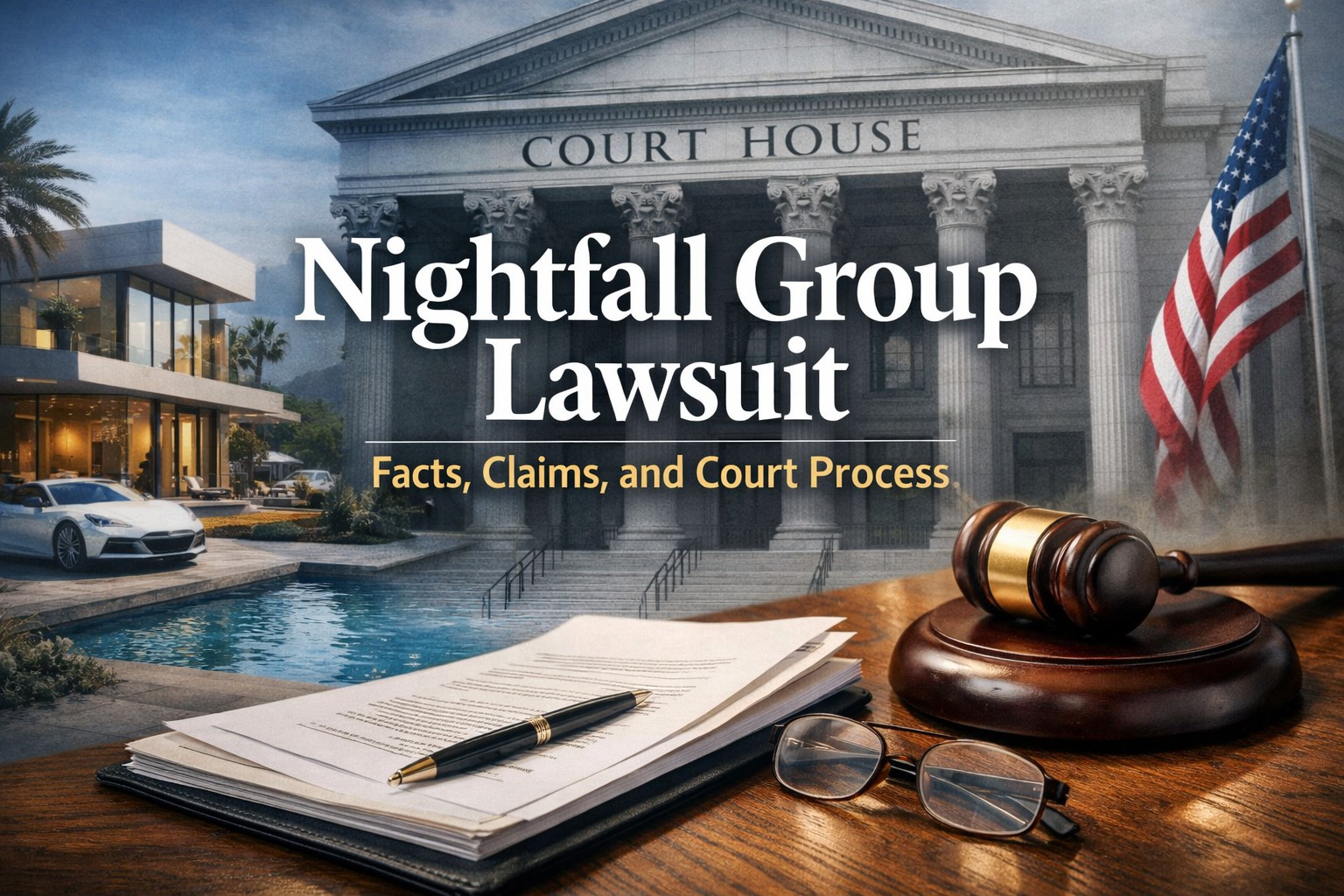
In the world of cloud security, Nightfall Group stands out as a leader. They help companies spot and fix data leaks in real time. But now, a big lawsuit shakes things up.
Filed in early 2025, this case accuses them of stealing ideas from rivals. It hits hard on trust in the tech world. Investors watch closely. Customers wonder about their data safety. This fight could change how startups protect their tech.
Overview of the Nightfall Group Litigation
A group of former partners kicked off the Nightfall Group lawsuit. They run a smaller firm called SecureCloud Tech. Nightfall Group, Inc., based in San Francisco, faces the main charges.
This suit zeros in on one key case from federal court in California. No other big suits mix in right now. The plaintiffs claim Nightfall used their work without permission.
Core Allegations Driving the Lawsuit
The main gripes center on stolen trade secrets. Plaintiffs say Nightfall copied their code for spotting sensitive data in clouds. They also point to broken contracts. Wrongful moves by ex-employees top the list too. Damages? They seek $50 million. That covers lost sales and future harm. Another claim hits on false ads about their tech edge.
Timeline of Key Legal Filings
The first filing hit court on January 15, 2025. Nightfall responded with a denial on March 10, 2025. A judge ruled on a motion to dismiss in July 2025. It let most claims stay alive. Discovery started in September 2025. As of March 2026, trials loom in late summer. Key emails and code logs surface in filings.
Examining the Specific Claims: Intellectual Property and Trade Secrets
Plaintiffs argue Nightfall grabbed their algorithms for data scanning. These tools flag risks like leaked passwords in apps. SecureCloud says their old worker shared the code after jumping ship.
Nightfall built similar features fast after that. Court papers show side-by-side code matches. This theft claim forms the lawsuit’s heart. It questions how ideas flow in tight-knit tech circles.
Breach of Non-Disclosure or Non-Compete Agreements
Ex-employees signed strict pacts with SecureCloud. Those banned sharing secrets for two years post-job. One engineer joined Nightfall soon after. Emails suggest he passed files. Nightfall counters he brought fresh skills only. Courts often test these deals for fairness. Here, the suit pushes for big penalties if breaches stick.
- Key contract points:
- Non-disclosure covers all project details.
- Non-compete limits work at rivals for 24 months.
- Penalties include triple damages for violations.
The Role of Expert Testimony and Evidence Presented
Tech experts review the code lines now. They hunt for copy-paste signs. Internal chats from 2024 leak in discovery. One email hints at “borrowing” ideas. Public filings name two witnesses from cybersecurity firms. Their reports weigh in on similarity odds. This proof could sway the judge big time.
Nightfall Group’s Defense Strategy and Counterarguments
Nightfall calls the whole thing baseless. They say their tech grew from in-house work. No theft happened, they insist. Spokespeople point to patents filed years back. This lines up with common defenses in IP fights. They stress independent development paths.
Counterclaims Filed (If Applicable)
Yes, Nightfall fired back in April 2025. They sue SecureCloud for defamation. Claims say the suit smears their name to steal market share. They seek $20 million in return. This tit-for-tat ramps up the stakes. Both sides dig in deeper.
Legal Arguments on Jurisdiction and Standing
Nightfall challenges the court’s reach at first. They say some acts happened outside California. But the judge kept it local. On standing, they argue plaintiffs lack proof of direct harm. These moves aim to narrow the fight. Procedural wins could shorten the case.
Industry Impact and Potential Precedents Set by the Outcome
A win for plaintiffs might tighten IP rules. Startups could add more checks on new hires. Founder pacts might get tougher clauses. Think of it like locking your bike extra in a busy city. Data firms may share less in talks. This protects ideas but slows teamwork.
Financial and Reputational Consequences for Nightfall Group
Litigation costs pile up fast. Nightfall’s stock dipped 15% since the filing. Partners pause new deals. Customers ask about data risks. If it drags, revenue could drop 20%. Rep hits trust hard in security sales.
Comparative Legal Cases in the Tech Sector
Look at the Uber-Waymo suit from 2017. It battled over self-driving tech theft. Settled for $245 million. Or the Oracle-Google Java fight. It lasted a decade on code use. These show IP wars drag on. Outcomes shape SaaS rules. Nightfall’s case echoes those tensions.
Navigating Ongoing Legal Uncertainty: Stakeholder Considerations
Stick with your service for now. Nightfall assures data stays safe. Check their updates page often. If worried, ask for audits. Many clients ride out suits like this. Your contracts likely hold firm.
Advice for Potential Whistleblowers or Concerned Parties
If you know inside details, talk to a lawyer first. Whistleblower laws protect sharers. File tips with the court if relevant. Groups like the EFF offer free advice. Stay safe; don’t act alone.
Monitoring Public Filings for Case Updates
Use PACER for federal docs. Search “Nightfall Group v. SecureCloud.” Sites like CourtListener give free alerts. Follow news from TechCrunch. Set Google alerts for “Nightfall Group lawsuit updates.” This keeps you in the loop without hassle.
Greenpeace Lawsuit
The Greenpeace lawsuit refers to civil legal disputes involving Greenpeace, the international environmental organization known for climate and conservation campaigns. In past cases, lawsuits have involved claims related to protest activity, defamation, property damage, or interference with business operations.
These cases usually move through civil court, where a judge or jury reviews written complaints, responses, and evidence from both sides. A lawsuit does not automatically mean wrongdoing. It simply means one party has asked the court to resolve a dispute. Public court records remain the most reliable source for updates, since social media posts often lack full legal context.
GEO Group Immigration Detainee Lawsuit
The GEO Group immigration detainee lawsuit involves legal claims connected to immigration detention facilities operated by GEO Group, a private corrections company. Several publicly reported civil cases have focused on issues such as detainee labor practices, wage claims, and detention conditions.
In some cases, detainees or state authorities have argued that certain work programs violated labor laws. GEO Group has responded in court filings and has defended its policies under federal detention standards. These matters proceed through civil court and often take years to resolve. The outcome depends on contracts, federal regulations, and evidence presented before the court.
FAQs
Who is the owner of the Nightfall Group?
Public information identifies Nightfall Group as a privately owned luxury concierge company. Court filings and business listings name its founder as the person behind the company’s leadership. Ownership details beyond that depend on corporate structure records filed with state authorities.
What is the average payout per person for a class action lawsuit?
There is no fixed average. Some class action payouts are small, often under a few hundred dollars per person. Larger settlements can reach thousands, but the amount depends on the total fund, number of claimants, and type of harm involved.
What are the lawsuits against SoCal Edison?
Southern California Edison has faced lawsuits related to wildfire damage, power shutoffs, and infrastructure safety. Some cases claim that equipment failures contributed to wildfires. These matters move through civil courts and can involve large settlement funds.
Does Ryan Gosling still own Tagine?
Ryan Gosling was once a co-owner of Tagine, a Moroccan restaurant in Beverly Hills. Public reports indicate he stepped away from ownership years ago. Current ownership details should be confirmed through recent business records.
Who is the current CEO of Windfall Bio?
Windfall Bio lists Josh Silverman as its Chief Executive Officer based on publicly available company information. Leadership roles can change, so official company releases provide the most accurate updates.
Is $25,000 a good settlement?
A $25,000 settlement can be good or low depending on the case. The value depends on medical costs, lost income, long-term impact, and legal strength of the claim. An attorney can review case details and explain whether that amount reflects fair compensation.
Conclusion
The Nightfall Group lawsuit boils down to trust in tech innovations. Stolen secrets and broken deals fuel the fire. Courts will decide if IP theft rings true.
This case highlights how fragile ideas are in quick-growth fields. Watch for trial news this summer. It could redefine data security plays for years. Stay informed—your business might feel the ripples.