
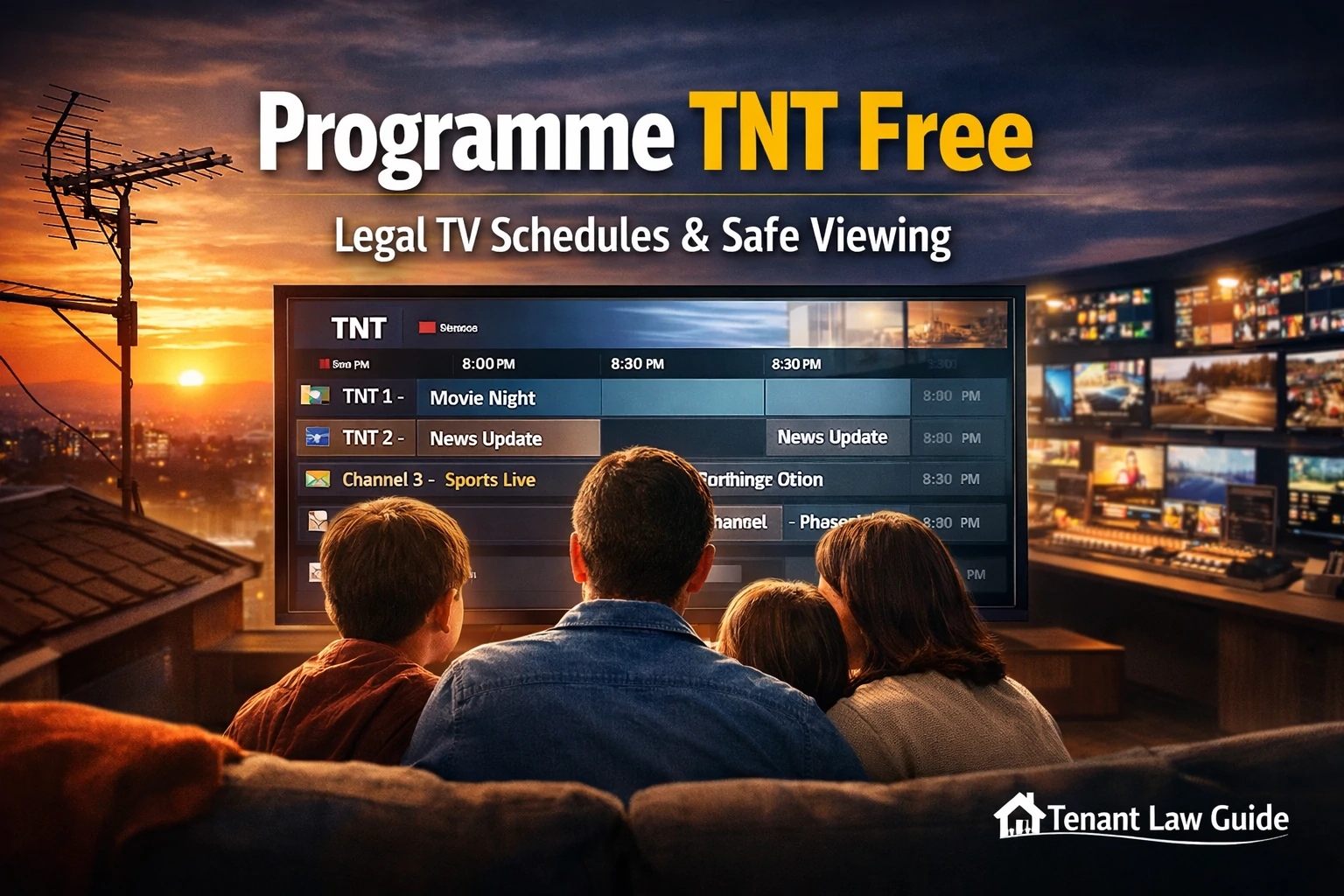
Many people see the phrase programme TNT free and feel unsure about its meaning. The words look simple, yet the idea behind them often feels unclear. Some readers think the phrase promises free online movies. Others believe it offers a shortcut to paid TV channels. These thoughts create confusion and sometimes lead users to unsafe websites.
The truth stays much simpler. The phrase often appears on TV guide pages. It points to schedules for free broadcast television. It does not mean downloads or hidden access. Understanding this difference helps users stay safe and informed.
How People Misread TNT Free
The word free plays a big role in confusion. People naturally link it with online access. Many expect instant viewing on phones or laptops. That expectation does not match how TNT works in most regions.
Another issue comes from mixed search results. Some countries use TNT to describe public TV. Other countries use TNT as a paid channel name. Search engines show both meanings together. This mix leads users to wrong assumptions and risky clicks.
Where the Confusion Usually Starts
Confusion often starts on unofficial websites. These sites repeat popular phrases to attract traffic. They use the same wording without context. Visitors then expect more than a simple schedule.
Language differences also matter. In some regions, the programme clearly means a TV listing. In others, people use it loosely to describe shows themselves. Clear explanations reduce this gap and guide users toward safer choices.
Why Some Search Results Feel Misleading
Search engines show many results at once. Some pages aim to inform. Others aim to attract clicks. Both may use the same phrase without clear meaning.
Some sites repeat popular words without context. They do not explain limits or rules. This approach makes users believe more access exists than allowed.
Misleading results do not always break the law. They still confuse readers. Careful reading helps users separate facts from attraction tactics.
What TNT Means on Television
In many European countries, TNT refers to digital terrestrial television. These channels broadcast signals through antennas. Viewers do not need monthly payments. They only need a compatible TV or decoder.
The word programme points to the schedule of these channels. It shows what airs and when. This system exists to give public access to information and entertainment. It follows national broadcast laws and standards.
How TNT Differs Across Countries
TNT does not mean the same thing everywhere. This fact explains much confusion. In several European countries, TNT refers to free public television. These channels use antennas and follow broadcast schedules.
In other regions, TNT refers to a paid television brand. Viewers need a subscription in those areas. Search engines often mix both meanings. This mix leads users to expect free access where none exists.
Understanding location helps avoid false expectations. It also helps users choose the right source. Knowing your region matters before trusting any result.
When TNT Really Costs Nothing
TNT stays free when viewers use legal broadcast methods. Antennas and approved TV services provide access without fees. No account or payment appears in this setup.
Free access does not mean unlimited choice. Broadcasters decide the schedule. Viewers follow it. This model keeps the system fair and lawful. Problems appear only when sites promise more than the system allows.
Can You Watch TNT Without a TV
Many users rely on phones and laptops. They expect TNT to work the same way. In most cases, TNT works best through a television setup with an antenna.
Some broadcasters offer official apps or websites. These platforms show live broadcasts or schedules. Access depends on region and broadcaster rules.
Third-party sites often promise easy access. These promises create risk. Official sources remain the safest option for non-TV viewing.
How TV Schedules Fit In
Programme TNT pages act as planning tools. They list channel names, show titles, start times, and age ratings. Some include short descriptions to help viewers choose.
These pages update often. They rely on official broadcaster data. Their role stays informative, not interactive. Users should expect guidance, not video playback.
The Difference Between Schedule and Streaming
A schedule shows timing. Streaming delivers content. Many users mix these ideas. Programme TNT pages focus on timing, not playback.
Streaming platforms store content and allow flexible viewing. TNT schedules do not work this way. They follow fixed broadcast times.
Understanding this difference reduces frustration. It also stops users from chasing features that TNT never offers.
TNT Versus Paid Television Channels
Free TNT and paid TV work in different ways. TNT focuses on public access. Paid TV focuses on premium content and flexibility.
Paid services offer on-demand viewing and exclusive shows. They require accounts and fees. TNT offers scheduled viewing without payment. Understanding this contrast helps users set realistic expectations.
Why Free Does Not Mean Unlimited
Free television follows a fixed structure. Broadcasters decide what airs and when. Viewers cannot choose shows at any time. This limit surprises many first-time users.
Programme TNT free works best for planned viewing. It suits people who follow schedules. Users who expect full control often feel disappointed. Understanding this limit prevents frustration.
This system keeps public television simple. Accepting its structure improves the experience.
Why Broadcast TV Follows Clear Rules
Public television operates under national broadcast laws. These laws protect content rights and viewer safety. Broadcasters must follow time rules and regional limits.
Family protection also plays a role. Certain content airs only at approved hours. Regional laws support local broadcasters and fair access.
Ignoring these rules leads users toward unsafe sources. Respecting them keeps access lawful and stable.
Common Myths Seen Online
Several myths spread across forums and social media. One myth claims that TNT free means full streaming access. Another suggests special apps unlock all channels. Some even say free TV has no legal boundaries.
These ideas lack truth. Real broadcasters do not promote shortcuts. Trustworthy platforms explain how content reaches viewers. Clear policies build confidence and safety.
Safe Ways People Use TNT
Most users access TNT through simple setups. An antenna connects to a TV. A channel scan finds available broadcasts. A programme guide helps plan viewing.
Some regions also offer official apps linked to broadcasters. These apps follow the same rules as TV broadcasts. They do not bypass rights or schedules.
Where Legal Access Comes From
Legal access always comes from recognized sources. Public broadcasters, licensed platforms, and approved TV services provide TNT schedules. These sources respect copyright and privacy.
Avoid sites that hide ownership or contact details. Legal platforms show transparency. They explain their role clearly and avoid misleading claims.
Signs a TNT Site Feels Wrong
Some warning signs appear often. Users should stay alert when a site forces downloads or floods pages with ads. Missing contact pages also raise concern. Leaving such sites protects both data and devices. A short table helps spot these issues:
| Red Flag | Why It Matters |
|---|---|
| Forced apps | May harm devices |
| No ownership info | Lacks trust |
| Big promises | Often misleading |
Why Some Sites Should Be Avoided
Sites that misuse popular phrases often aim for traffic, not value. They repeat keywords without offering real help. Users waste time and face risk.
Reliable platforms focus on clarity. They explain limits and sources. Choosing these platforms leads to a safer and calmer experience.
How Families Use TNT Safely
Families often trust TNT for shared viewing. Broadcasters apply age ratings. Children’s programs appear at suitable times.
Parents can use programme listings to plan viewing. Many TVs include parental controls. These tools add another layer of safety without cost.
Parental Controls That Actually Help
Parental controls work best when used with schedules. Parents can block certain hours or channels. This setup keeps content appropriate.
Public broadcast rules also protect younger viewers. These rules exist to support families and maintain trust in free television.
Why Official Sources Matter Most
Official sources offer accuracy. They rely on verified data from broadcasters. Updates appear on time and reflect real schedules.
Unofficial sources often lag behind or mislead. Trusting official platforms reduces stress and confusion. Reliable information always saves time.
Simple Steps to Stay Legal
Staying legal does not require effort. Use antennas or approved services. Check programme guides from trusted sites. Ignore promises of instant access.
Reading site details also helps. Transparency signals reliability. Caution keeps users safe in the long run.
What New Viewers Often Miss
New viewers sometimes expect too much. They look for on-demand features that TNT does not offer. This mismatch causes frustration.
Learning how the system works solves this issue. Once expectations align with reality, TNT feels simple and useful.
Mistakes First-Time Users Make
First-time users often click the first search result. They may ignore site details. These habits increase risk.
Slowing down helps. Reading descriptions and checking sources leads to better decisions. Experience grows with awareness.
Final Thoughts Before You Trust Any Site
Programme TNT free refers to lawful television schedules and public broadcasts. It does not promise free streaming or secret access. Clear understanding protects users from risk.
Free television still follows rules. Official sources provide the best experience. Knowledge keeps viewers safe, informed, and confident in their choices.
Frequently Asked Questions
Is the programme TNT free and legal to use?
Yes, it refers to public broadcast schedules and lawful access.
Does TNT free mean free movies online?
No, it means free over-the-air television, not streaming sites.
Is TNT the same worldwide?
No, meaning changes by region and service type.
Are TNT apps safe?
Only official or broadcaster-approved apps offer safety.
Can families trust TNT content?
Yes, public broadcast rules protect viewers when used correctly.