
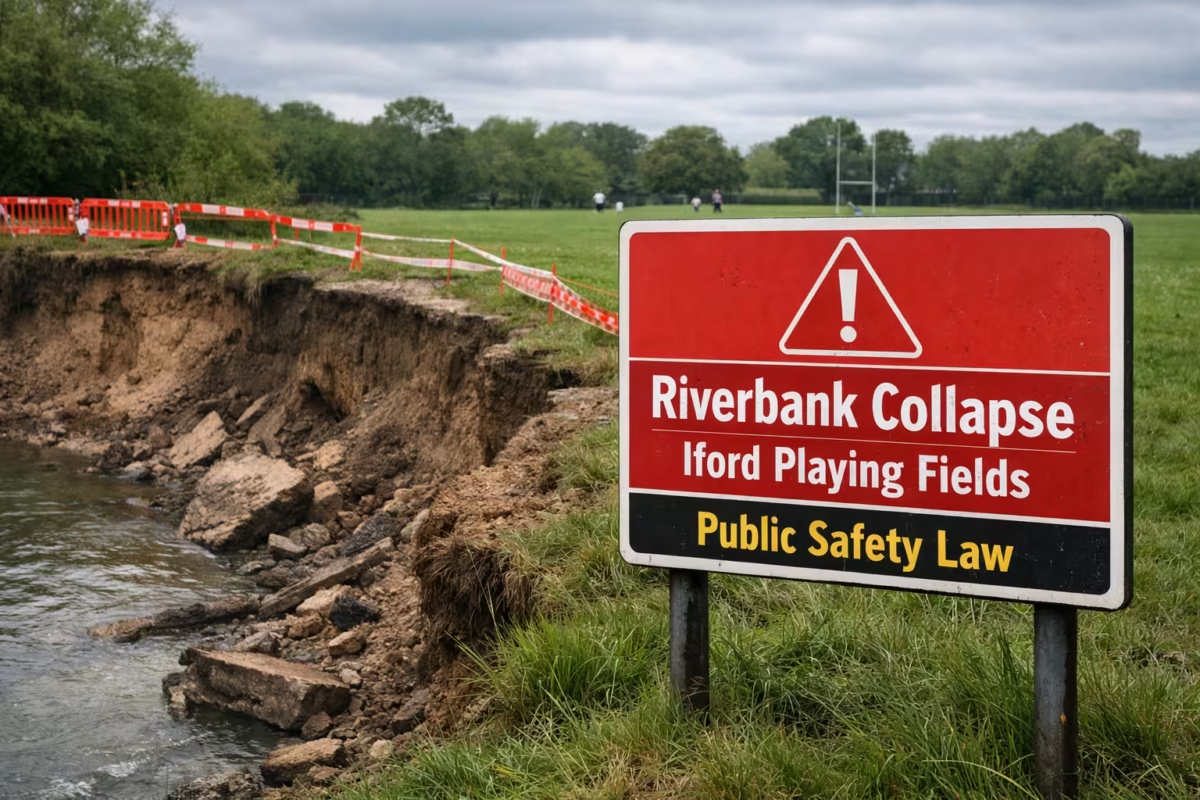
The riverbank collapse at Iford Playing Fields has raised serious public concern. People use this space for walking, sports, and family time. Any damage near a river can create fear. Safety becomes the main question. Parents worry about children. Residents worry about access and long-term risk.
A riverbank does not fail without warning signs. Cracks, sinking soil, and water pressure often appear first. When action does not happen on time, a small issue can turn into a major hazard. That is why this topic matters beyond one location. It reflects how public land should stay safe.
It also outlines the general role of local authorities and public rights. The content stays factual, balanced, and easy to understand.
How Riverbanks Can Give Way
A riverbank collapse happens when soil near the river edge loses strength. Water pressure, erosion, and weak ground can cause this failure. Heavy rain often adds stress. Flood water moves faster and cuts into the bank.
Public fields near rivers face a higher risk. Foot traffic, sports use, and nearby paths add weight. Over time, the ground can weaken. If inspections miss early signs, collapse becomes more likely.
This type of event does not always cause injury. Still, it creates danger. Open edges, unstable soil, and deep water can harm anyone nearby. That risk alone makes the issue serious. Public land must stay safe. That duty exists even if the damage starts from nature.
Importance of Iford Playing Fields
Iford Playing Fields serve many people. Families visit daily. Schools use the area. Dog walkers and athletes rely on the space. A river runs close to key paths and open grass areas.
When part of the riverbank fails, access can change. Some routes may close. Signs may appear. Fencing can block areas that once felt open. These changes affect daily life.
Local spaces also carry trust. People expect councils to keep them safe. A collapse breaks that trust if warnings existed before. Even without injury, concern spreads fast. Community spaces need a fast response. Delay can increase fear and risk.
Public Safety Risks Linked to Riverbank Failure
Riverbank collapse creates several hazards. Uneven ground can cause falls. Soft soil can give way under weight. Children may not see the danger. Pets can slip into water.
Water depth often increases near a failed bank. Currents may grow stronger. Rescue becomes harder if someone falls in. Cold water shock also poses a risk.
Public safety law focuses on prevention. Known risks require action. Ignoring signs can place lives at risk. Safety does not depend on intent. It depends on reasonable care. Any area open to the public must meet safety standards. Natural setting does not remove that duty.
Who Holds Responsibility for Riverbank Safety
Local councils usually manage public playing fields. They hold responsibility for inspection and upkeep. This duty includes land near rivers if the public has access.
Other bodies may share roles. Environmental agencies manage water flow and flood risk. Landowners also hold duties if boundaries overlap. Clear roles matter in any review.
Responsibility does not mean blame. It means the duty to act once a risk appears. Inspection schedules, reports, and maintenance plans show whether the duty was met. If action came late, questions may arise. That review forms part of any legal assessment.
Council Duties Under Public Safety Law
Councils must keep public land reasonably safe. This duty covers parks, paths, and playing fields. The law does not demand perfection. It demands care that fits the risk.
Routine checks help spot danger early. Known erosion needs follow-up. Temporary barriers may reduce harm. Warning signs inform visitors of risk.
When risk increases, stronger steps may apply. That could include closing areas or repairing damage. Delay without reason can raise concern. Public safety law looks at what a reasonable authority would do. That standard guides every case.
Local authorities may also conduct an environmental site assessment to understand soil and ground conditions, including the Phase 1 environmental site assessment cost that often guides planning and repair decisions.
Environmental Factors That Increase Collapse Risk
Rivers change shape over time. Rainfall patterns now shift more often. Flood events can happen with little warning. Soil saturation weakens banks fast. Vegetation loss also matters. Roots help hold soil. Removal or decay can reduce strength. Animal activity may add stress as well.
Human activity near banks can add load. Paths close to edges increase wear. Drainage issues may push water into weak zones. Environmental causes do not remove responsibility. They increase the need for monitoring and action.
When a Safety Issue Becomes a Legal Concern
Not every collapse leads to legal action. Law enters when duty, risk, and harm connect. Harm can include injury or property damage. Serious risk alone can also matter. If reports existed before the event, review follows. If inspections failed, concern grows. And if warnings went ignored, legal interest rises.
Public liability law focuses on foreseeability. If risk seemed clear, action should follow. Lack of resources rarely excuses inaction. Each case depends on facts. Evidence shapes outcomes.
Public Liability and Duty of Care Explained
Public liability law protects people in public spaces. Authorities owe a duty of care. This duty covers known risks and reasonable prevention. Visitors must act with care, too. Still, that does not remove the duty of land managers. Balance matters. Clear signage can shift responsibility.
Failure to manage known hazards may breach duty. Courts review what steps occurred and when. Timing often plays a key role. Public liability aims to prevent harm, not just punish after loss.
Rights of Residents and Regular Users
Residents have the right to safe access. They can raise concerns with the council. Reports help create records. Written complaints matter more than verbal ones.
People can request inspection details. Public bodies must respond within set timeframes. Transparency supports trust. If damage affects property, owners may seek advice. Claims depend on proof and cause. Early records help. Public awareness strengthens safety. Silence helps no one.
Residents can learn more about legal rights and civil claims in other public safety contexts, such as this civil rights overview.
Role of Environmental and Flood Authorities
River management often involves more than one body. Flood authorities monitor water levels and flow. They issue warnings and guidance. Coordination matters. Councils rely on data from these bodies. Joint plans reduce risk. Gaps can lead to failure.
When roles overlap, clarity prevents delay. Shared responsibility still requires clear action. Public understanding of these roles helps accountability.
Steps Authorities Usually Take After a Collapse
First, safety comes first. Barriers and signs appear. Access may close. Engineers inspect the area. Next, reports document the cause. Soil tests may follow. Water flow gets reviewed. Short-term fixes may stabilise the bank.
Long-term plans often include reinforcement. This may involve new barriers or reshaped banks. Funding approval can take time. Communication with the public matters at every stage. Silence increases concern.
What the Public Can Do After a Riverbank Collapse
Avoid closed areas. Follow signs. Report new changes. Photos can help reports. Use official channels to ask questions. Councils often publish updates. Community meetings may follow.
If risk remains, pressure helps action. Polite persistence works better than anger. Public safety improves when people stay informed and involved.
Responsible Use of Public Information
Reports should stay factual. Avoid claims without proof. Words like “reported” and “under review” protect accuracy. Social media can spread fear fast. Verified sources matter more.
Councils must correct false claims when possible. Responsible language helps trust. It also protects legal fairness. Facts should guide the discussion, not speculation.
Ways to Reduce Future Risk
Regular inspections reduce surprise. Drainage control helps soil strength. Vegetation support adds stability. Clear distance between paths and edges lowers load.
Barriers guide foot traffic. Education helps visitors understand risk. Prevention costs less than repair. It also saves trust. Public spaces deserve proactive care.
Wider Impact on Public Spaces
Riverbank collapse can happen anywhere. Many parks sit near water. Climate patterns add stress. Learning from one case helps others. Good practice spreads safety. Poor response highlights gaps. Public safety law exists to protect people. Awareness keeps it effective. Each discussion helps prevent future harm.
Public Safety and Ongoing Awareness
Riverbank collapse at Iford Playing Fields shows why areas near rivers need regular attention. Natural changes and land use come together in these locations. Small shifts can turn into serious risks if no action follows.
Public bodies have a role in inspection and response. Timely checks and clear communication help protect trust. Environmental pressure does not remove responsibility. It increases the need for careful oversight.
The public also has a part to play. Reporting visible issues and respecting safety measures can reduce harm. Shared awareness helps protect community spaces.
Simple Questions and Answers
What is a riverbank failure?
Riverbank failure happens when soil at the edge of a river loses strength. Water pressure and erosion cause the ground to give way. This can create sudden safety risks near the river.
What are the effects of riverbank erosion?
Riverbank erosion can damage land and public paths. It increases the risk of collapse and flooding. People and property near the river may face danger.
What causes a bank collapse?
Heavy rain, fast water flow, and weak soil often cause collapse. Loss of plants and poor drainage add risk. Human activity near the edge can also weaken the bank.
Why is it called a riverbank?
A riverbank is the land that borders a river. It holds the river in place and shapes its path. The term describes the natural edge of flowing water.
What are the 4 types of river erosion?
The four types are hydraulic action, abrasion, attrition, and solution. Each type wears down the riverbank in a different way. Together, they change the shape of the river over time.