
A rental dispute can place a home, property, or source of income at risk. Tenants may face eviction, unsafe conditions, or the loss of a security deposit. Property owners may deal with unpaid rent, damaged units, or serious lease violations. Local rental laws control what each side can do.
An attorney for landlord-tenant laws helps renters and property owners understand these rules. The lawyer can review a lease, explain legal rights, prepare notices, and handle a court case. Early advice can prevent a small dispute from becoming a costly legal battle.
Rental laws differ across the United States. A notice that works in one state may fail in another. Some cities also have rent control, extra tenant rights, or special eviction rules. A local attorney can identify the laws that apply to the property.
Legal help becomes vital when a court deadline, home, or large amount of money is at risk. This guide explains what these lawyers do and when to contact one. It also covers eviction, repairs, deposits, legal costs, and the steps to choose the right attorney.
What Does a Landlord-Tenant Attorney Do?
A landlord-tenant attorney handles disputes between property owners and renters. The lawyer may represent either side, but some law firms accept only landlord or tenant cases. Clients should confirm this point before they book a consultation.
The attorney first reviews the facts and available proof. This review may include the lease, payment records, notices, repair requests, photos, and text messages. The lawyer then explains the legal options and the risks tied to each choice.
Some disputes end after a formal letter or direct talks. Other cases require a lawsuit or a court defense. An attorney can prepare legal papers, respond to claims, question witnesses, present proof, and speak to the judge on the client’s behalf.
When Should a Tenant Hire an Attorney?
A tenant should contact a lawyer after they receive an eviction notice or court papers. Eviction cases often move fast. A missed response date or court hearing may lead to a default judgment, even when the tenant has a valid defense.
Legal advice may also help when a landlord changes the locks, removes property, or shuts off essential services. A property owner usually must use the legal eviction process. The owner cannot force a renter out through threats or other forms of pressure in most states.
Serious health and safety problems may also require legal support. These problems can include a lack of heat, unsafe wiring, sewage leaks, broken locks, or major pest issues. The tenant should report the defect in writing and keep clear proof of each request.
A lawyer may also help with discrimination, privacy violations, deposit disputes, false charges, or an unfair lease term. Tenants should act as soon as the problem affects their home, health, finances, or legal rights. A quick response gives the attorney more time to protect the renter.
When Should a Landlord Hire an Attorney?
A landlord should seek legal advice before an eviction begins. State and local laws set strict rules for notices, deadlines, service, court papers, and removal. One error can delay the case or cause the court to dismiss it.
An attorney can also help when a tenant owes a large amount of rent. The lawyer can check the rent ledger, late fees, payment history, and lease terms. This review helps the owner demand the correct amount and avoid claims based on false or unclear charges.
Serious lease violations may create another need for counsel. These violations may include major property damage, unlawful use, repeated noise, or an unauthorized occupant. Local law may require the landlord to give the renter time to correct the problem before a case can start.
Property owners should also seek advice before they deny a disability request or take action after a tenant reports discrimination. Federal, state, and local laws may protect the renter. A careful legal review can reduce the risk of a costly complaint or lawsuit.
What Rental Problems Can an Attorney Handle?
Landlord-tenant lawyers handle more than eviction cases. They may review leases, resolve deposit claims, address unpaid rent, and deal with property damage. They can also help with lease renewal, early exit, rent increases, privacy, and access disputes.
Common matters include:
- Eviction notices and court cases
- Unpaid rent and late-fee disputes
- Unsafe rental conditions
- Security deposit deductions
- Illegal lockouts or utility shutoffs
- Housing discrimination and retaliation
- Disability accommodation requests
- Property damage and lease violations
- Rent control and subsidized housing
- Commercial lease disputes
A lawyer can also help when the lease fails to explain an important duty. The document may not state who must pay for utilities, yard care, repairs, or pest control. Legal counsel can review the agreement and compare it with state law.
Some cases involve federal rights. The Fair Housing Act protects people from certain forms of housing discrimination. Military members may have rights under the Servicemembers Civil Relief Act. Special rules may also apply to public housing, housing vouchers, and properties under federal housing programs.
How Can an Attorney Help With an Eviction?
An eviction starts with a legal reason and the correct notice. Nonpayment of rent is a common reason, but it is not the only one. A landlord may also claim that the tenant broke the lease, caused serious damage, or stayed after the rental term ended.
The notice must follow the law where the property sits. It may need specific words, dates, amounts, or instructions. The owner must also deliver it through an approved method. A landlord’s attorney can check these details before the case reaches court.
A tenant’s lawyer can test the landlord’s claim. The attorney may find an incorrect rent balance, bad service, an invalid notice, or proof of retaliation. Serious repair problems, discrimination, or the landlord’s acceptance of rent may also affect the case under local law.
A court order does not usually allow the owner to remove the tenant without official help. A sheriff, marshal, or other approved officer may need to carry out the order. Both parties should follow the court process and avoid threats, lock changes, or damage to personal property.
Can a Tenant Withhold Rent Due to Poor Repairs?
A tenant should not stop rent payments without local legal advice. Some states allow rent to be withheld under strict conditions. Other states offer a different remedy or give the tenant no direct right to withhold rent.
The renter may need to give written notice and allow enough time for a repair. Local law may also require a housing inspection, a court filing, or payment into a special account. A tenant who skips one step may face an eviction claim for unpaid rent.
The condition must often affect health, safety, or the basic use of the home. A loose cabinet handle does not carry the same legal weight as no heat in winter. Photos, repair requests, code reports, and medical records can help prove a serious problem.
A lawyer can explain whether the tenant may seek a rent reduction, repair order, lease exit, or money for harm. The proper choice depends on the facts and local law. Legal review helps the renter avoid a step that may weaken the claim.
How Do Security Deposit Disputes Work?
Security deposit laws vary from state to state. Some states limit the amount a landlord can collect. Others do not set a general cap. Local rules may add more limits or control how the owner must keep the money.
A landlord may use part of the deposit for unpaid rent or damage beyond normal wear. The owner cannot usually charge the renter for age, ordinary use, or a problem that existed before the lease began. Photos from move-in and move-out can help show the true condition.
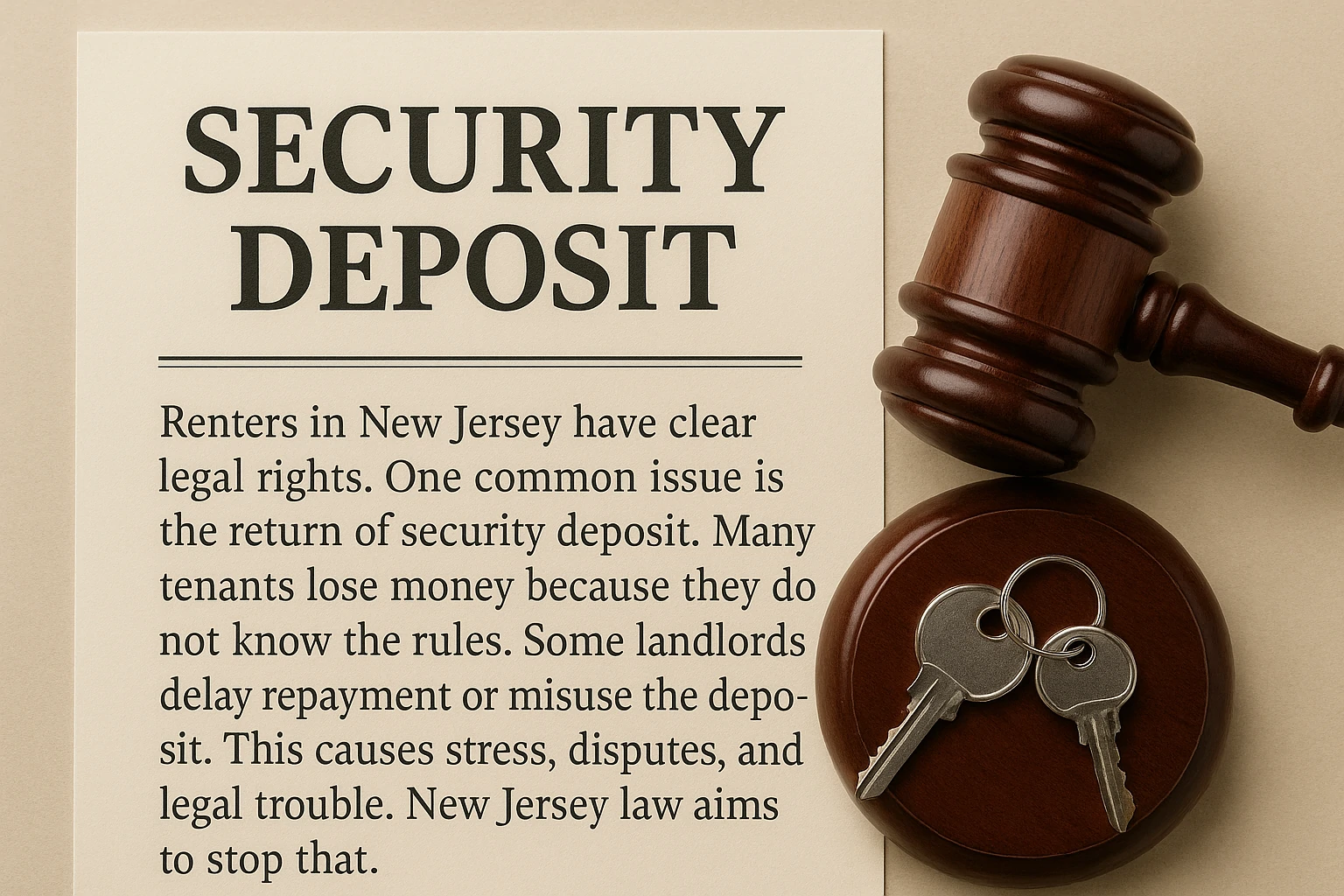
Many states require the landlord to return the deposit or send a list of deductions within a set period. The deadline and required details differ by location. Receipts, estimates, and invoices may support a deduction, but each state has its own proof rules.
A tenant can ask an attorney to review charges that seem false or excessive. A landlord may seek the same help before a disputed deduction. Some laws allow extra damages or legal fees when a party breaks the deposit rules, but such awards are not automatic.
What Rights Apply to Housing Discrimination?
The federal Fair Housing Act bans many forms of discrimination in the rental market. It protects people based on race, color, national origin, religion, sex, familial status, and disability. State or city law may protect other personal traits as well.
Discrimination can occur before or after a tenant moves into the property. A landlord may break the law through a rental ad, application decision, different lease terms, unequal services, or an improper eviction. Retaliation may also be illegal when a tenant reports suspected discrimination.
A person with a disability may request a reasonable change to a policy or rule. A tenant may ask for a reserved space, another way to communicate, or an exception related to an assistance animal. The landlord must assess the request under the law and the facts of the case.
Tenants can report possible discrimination to the U.S. Department of Housing and Urban Development. They may also contact a private attorney or local fair housing group. Deadlines can apply, so the tenant should not wait too long.
How Much Does a Landlord-Tenant Lawyer Cost?
The cost depends on the city, attorney, dispute, and amount of work. A simple lease review may cost less than a full eviction trial. Urgent motions, several hearings, expert reports, or a complex claim can raise the total fee.
Some attorneys charge an hourly rate. Others offer a flat fee for a clear task, such as a notice or court appearance. The client may also have to pay court charges, service fees, document costs, or witness expenses.
The fee agreement should explain what the price covers. A client should ask whether it includes talks with the other side, court papers, hearings, trial, and enforcement. Clear terms can prevent a second dispute over the legal bill.
A lease or state law may allow the successful side to request attorney fees. This does not mean the losing side must always pay. The judge must often decide whether the claim and requested amount meet the legal rules.
Can You Resolve the Dispute Without Court?
A lawsuit is not the only answer. A clear demand letter may solve a rent, repair, deposit, or lease dispute. The letter can state the facts, explain the requested action, and give a fair deadline for a reply.
Direct talks may also lead to a practical result. The parties may agree on a payment plan, repair date, deposit refund, or planned move-out. An attorney can help make sure the terms protect the client and do not create a new legal problem.
Mediation gives both sides a chance to speak with a neutral person. The mediator does not act as either side’s lawyer. The process can help the parties reach terms that a judge may not have the power to order.
Any final deal should appear in a clear written document. It should list payment amounts, dates, repair duties, possession terms, and the status of any court case. Both sides should understand the agreement before they sign it.
What Documents Should You Give the Attorney?
Good records help a lawyer understand the case. Bring the full lease, each addendum, notices, court papers, and a copy of the rental application if it matters. Payment receipts and a complete rent ledger can also answer key questions.
Save emails, letters, and text messages between the parties. Photos and videos should show the condition of the unit and include the correct dates when possible. Repair invoices, inspection reports, code complaints, and entry notices may also serve as useful proof.
Create a short timeline of the dispute. Include rent dates, repair requests, visits, notices, and court events. Keep the account honest and do not remove facts that may seem harmful.
An organized file can reduce legal costs because the attorney spends less time searching for basic facts. It also helps the lawyer spot missing proof or a deadline that needs fast action. Clear records often matter more than long personal arguments.
How Do You Choose the Right Attorney?
Choose a lawyer who has a license in the state where the rental property sits. Local experience matters because county courts may have their own forms and procedures. City rules can also change the rights of both sides.
Ask how often the attorney handles rental cases. A lawyer who works mainly in another area may not know recent changes to housing law. Clients should also ask whether the firm usually represents landlords, tenants, or both.
Discuss the likely options, risks, fees, and time frame during the first meeting. A good attorney will not promise a certain result. The lawyer should give a fair view of the strong and weak parts of the case.
Low-income tenants may qualify for free help from a legal aid office. Court self-help centers and local bar groups may also offer useful resources. These services can help when a private attorney does not fit the person’s budget.
Frequently Asked Questions
What type of attorney handles landlord-tenant disputes?
A landlord-tenant attorney handles legal problems between renters and property owners. Some real estate litigation lawyers also accept these cases. They may help with eviction, unpaid rent, repairs, deposits, discrimination, lease terms, and property damage. Choose a lawyer who practices in the state where the rental property sits. State and city laws can differ, so local court experience matters.
When should a tenant contact a landlord-tenant attorney?
A tenant should contact an attorney after an eviction notice, illegal lockout, utility shutoff, serious repair failure, or discrimination claim. Legal help may also be useful when a landlord refuses to return a security deposit or adds charges that the lease does not support. Tenants should act fast after they receive court papers. Eviction cases often have short response dates. Missing a hearing or deadline may cause the tenant to lose the case without a full review of the facts.
When should a landlord hire an attorney?
A landlord should speak with an attorney before they start an eviction or serve a formal notice. The lawyer can check the lease, rent records, reason for eviction, notice period, and service method. Legal help is also important when a tenant files for bankruptcy, requests a disability accommodation, reports discrimination, or causes major property damage. Early advice may prevent a mistake that delays the case or creates a separate claim against the owner.
Can a landlord evict a tenant without an attorney?
An individual property owner may represent themselves in some courts. However, the landlord must still follow every state and local rule. A wrong notice, deadline, rent amount, or service method can cause the court to dismiss the case. A corporation or limited liability company may need an attorney to appear in court. This rule depends on the state and court. Property owners should confirm local requirements before they file an eviction case.
Can a landlord remove a tenant without going to court?
A landlord usually cannot remove a residential tenant without the legal eviction process. Changing locks, removing doors, taking personal property, or shutting off essential services may count as an illegal eviction. The landlord normally needs a court order before the tenant can be removed. A sheriff, marshal, or other approved officer may need to enforce that order. Exact procedures differ across states.
Can an attorney stop an eviction?
An attorney cannot promise to stop an eviction. The lawyer can review the notice and court papers for legal errors. Possible defenses may involve improper service, an incorrect rent balance, unsafe conditions, discrimination, retaliation, or the landlord’s failure to follow the lease. The attorney may also negotiate a payment plan or a planned move-out. A settlement could give the tenant more time, settle unpaid rent, or prevent a forced removal. The available result depends on local law and the facts.
Can a tenant withhold rent when repairs are not made?
A tenant should not withhold rent without first checking state and local law. Some states permit rent withholding only after the tenant gives written notice and follows specific steps. Other states require rent payments to go into a court or escrow account. A tenant who stops payments without legal grounds may face eviction for unpaid rent. A lawyer can explain whether the tenant may seek repairs, a rent reduction, a lease exit, or compensation.
What conditions may make a rental home uninhabitable?
Serious conditions may include no heat, unsafe electrical systems, sewage leaks, no running water, broken exterior locks, severe pest problems, or major structural hazards. A minor cosmetic defect usually does not make a home legally uninhabitable. The tenant should report the problem in writing and give the landlord lawful access to inspect or repair it. Photos, code reports, medical records, and copies of repair requests may help prove the claim.
Can a tenant sue a landlord for mold?
A tenant may have a claim if mold results from a condition the landlord had a legal duty to repair. The renter may need to prove that the owner knew about the problem, failed to act within a reasonable time, and caused financial or physical harm. Visible mold alone does not prove every part of a legal claim. Photos, inspection reports, repair requests, medical evidence, and expert tests may become important. State law controls the remedies and filing deadlines.
What can a landlord deduct from a security deposit?
A landlord may often deduct unpaid rent, approved charges, or the cost of damage beyond normal wear. Broken doors, large wall holes, missing fixtures, or damage caused by misuse may support a deduction. The owner should not charge the tenant for ordinary aging or a problem that existed before move-in. State law may require an itemized statement, receipts, estimates, or return of the remaining balance within a set period.
What is the difference between normal wear and property damage?
Normal wear comes from ordinary use over time. Examples may include faded paint, light carpet wear, or minor marks. The landlord usually bears the cost of routine age and normal use. Property damage results from abuse, carelessness, or an act that goes beyond normal use. Examples may include a broken window, burned flooring, missing appliances, or large wall holes. Move-in and move-out photos can help show the difference.
Can a landlord enter a rental unit without permission?
A landlord may enter for a lawful reason, such as a repair, inspection, emergency, or property showing. Many states require advance notice and entry at a reasonable time. The required notice period differs by location. An emergency may allow immediate entry. A landlord should not use access rights to harass the tenant or invade their privacy. The lease cannot always remove rights that state law gives the renter.
Can a tenant break a lease without paying a penalty?
A tenant may have the right to end a lease early in certain situations. Possible reasons include severe habitability problems, domestic violence protections, military orders, or a serious violation by the landlord. The tenant must often give written notice and provide required proof. A personal decision to move usually does not cancel the duty to pay rent. The landlord may also have a duty to seek a new renter under some state laws.
Can a landlord refuse an assistance animal?
An assistance animal is not always treated as a pet under fair housing law. A tenant with a disability may request a reasonable exception to a no-pet rule or pet fee. The landlord must review the request based on the law and available facts. A housing provider may request certain information when the disability-related need is not clear. The owner should not reject the request only because the animal lacks pet training or certification. Special exceptions may apply if the request creates a direct threat or another serious legal burden.
Can a tenant sue for housing discrimination?
A tenant may file a claim if a landlord treats them unfairly because of a protected characteristic. Federal law covers race, color, national origin, religion, sex, familial status, and disability. State and local laws may protect more groups. A complaint may go to HUD, a state agency, or a court. The tenant should save advertisements, messages, application records, notices, and witness details. Legal deadlines apply, so early action is important.
How much does a landlord-tenant attorney cost?
Legal fees depend on the location, lawyer, and complexity of the case. Some attorneys charge by the hour. Others offer a flat fee for a lease review, notice, consultation, or basic eviction case. Court costs, service charges, expert fees, and trial work may cost extra. Clients should request a written fee agreement that explains the services included. Low-income tenants may qualify for free help through a legal aid office.
Can the winning side recover attorney fees?
A court may award attorney fees when a state law or valid lease term allows it. Winning the case does not always guarantee payment. The judge may review the type of claim, work completed, and reasonableness of the requested amount. Both sides should ask their attorney about fee risk at the start. A person may win one part of a case but still fail to recover all legal costs.
What documents should I take to the attorney?
Bring the lease, addenda, notices, court papers, rent receipts, deposit records, and payment history. Include repair requests, inspection reports, photographs, videos, emails, letters, and text messages. Prepare a clear timeline with key dates and events. Do not delete messages or hide facts that seem harmful. Complete records help the attorney give more accurate advice and prepare a stronger case.
Conclusion
A landlord-tenant attorney helps people protect their homes, property, income, and legal rights. The lawyer can review documents, explain local law, prepare notices, negotiate a fair result, or present the case in court.
Tenants should seek help after an eviction notice, lockout, serious repair failure, deposit dispute, or act of discrimination. Landlords should speak with counsel before eviction, deposit deductions, or action tied to a tenant’s protected rights.
Fast action often creates more options. Both sides should save records, follow court deadlines, and avoid steps that local law may ban. A short legal consultation may prevent months of delay and expense.
This article offers general information about U.S. landlord-tenant law. It does not provide legal advice or create an attorney-client relationship. A qualified local attorney can explain the rules that apply to a specific property and dispute.
Read More Guide: CNLawBlog Explained Real China Law Blog and Unofficial Site Warning