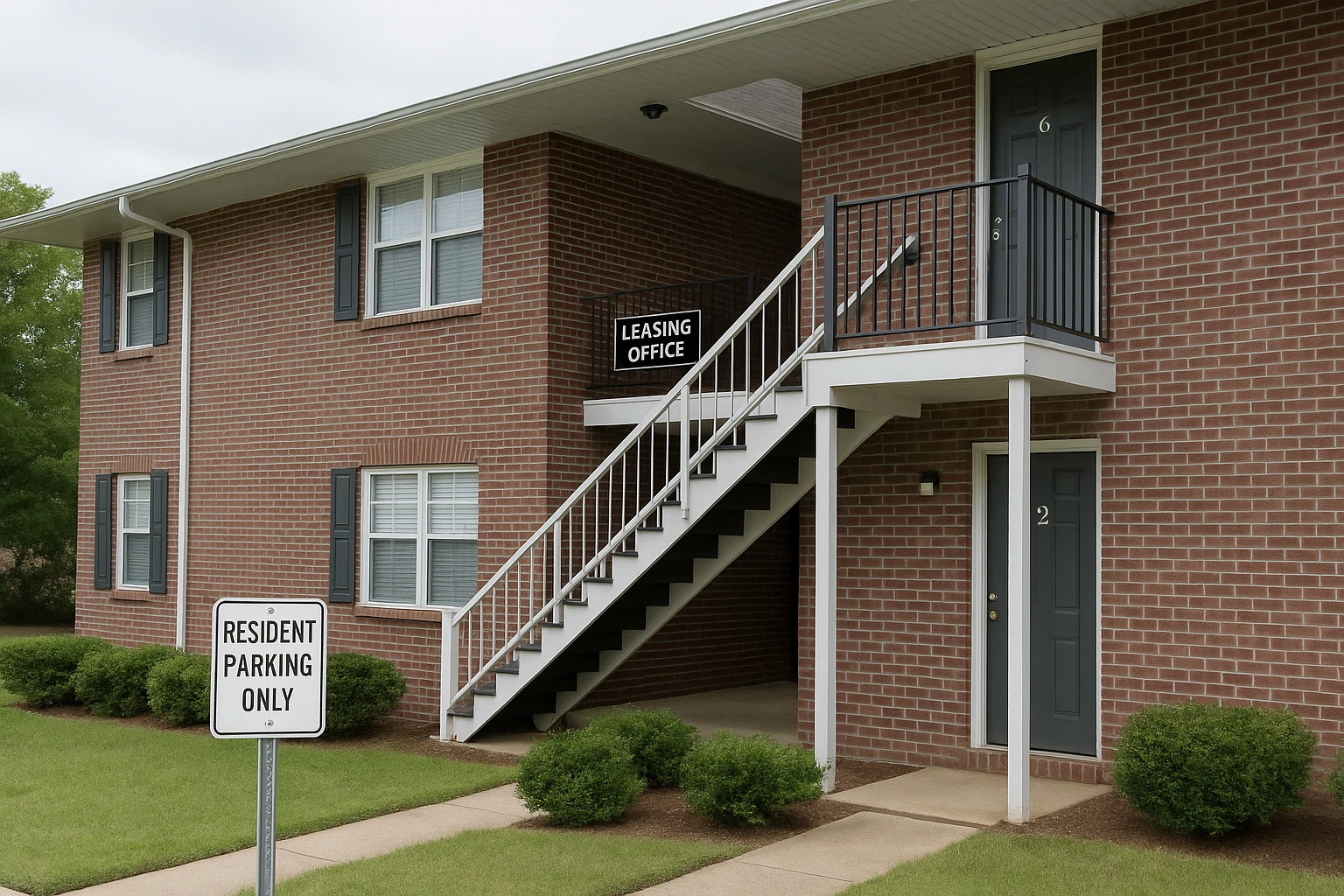
Chattanooga continues to grow. More people now live in apartments, duplexes, and shared rental houses. These properties serve families, workers, students, and seniors. Many buildings have several units inside one structure. These buildings are called multi-tenant houses. Renters share hallways, parking spaces, or entrances. As these homes spread across the city, the need for better property signs grows.
Signs guide people. A sign tells visitors where to enter. It helps emergency services reach the right door. A sign may warn about rules or tell drivers where to park. Signs also show that a landlord cares about the property. Clear signs reduce stress, improve safety, and help renters feel secure.
Good signs are not just helpful. They are required by local laws. The city of Chattanooga controls what signs go where. Signs must meet size rules, use the right lighting, and stay in good shape. Some need permits. Others must follow neighborhood design rules. This article explains what signs landlords must provide, what tenants should expect, and how everyone can stay safe and legal.
This guide covers five key signs for any rental with more than one unit. You will learn why each sign matters, where it must go, and what to do if something goes wrong. You will also learn how city law affects signage, what to include on a custom sign, and when to ask for help.
What Counts as a Multi-Tenant House in Chattanooga TN
A multi-tenant house has more than one unit inside. It can be a duplex, triplex, small apartment building, or converted house. These buildings may share one entrance or hallway. They often have shared parking, outdoor space, or mail areas.
Single-family homes have one household. Multi-tenant homes may hold three or four. Others may have ten or more. In Chattanooga, zoning laws treat multi-tenant properties differently. These properties may need more signs to guide people safely. Owners must follow more rules.
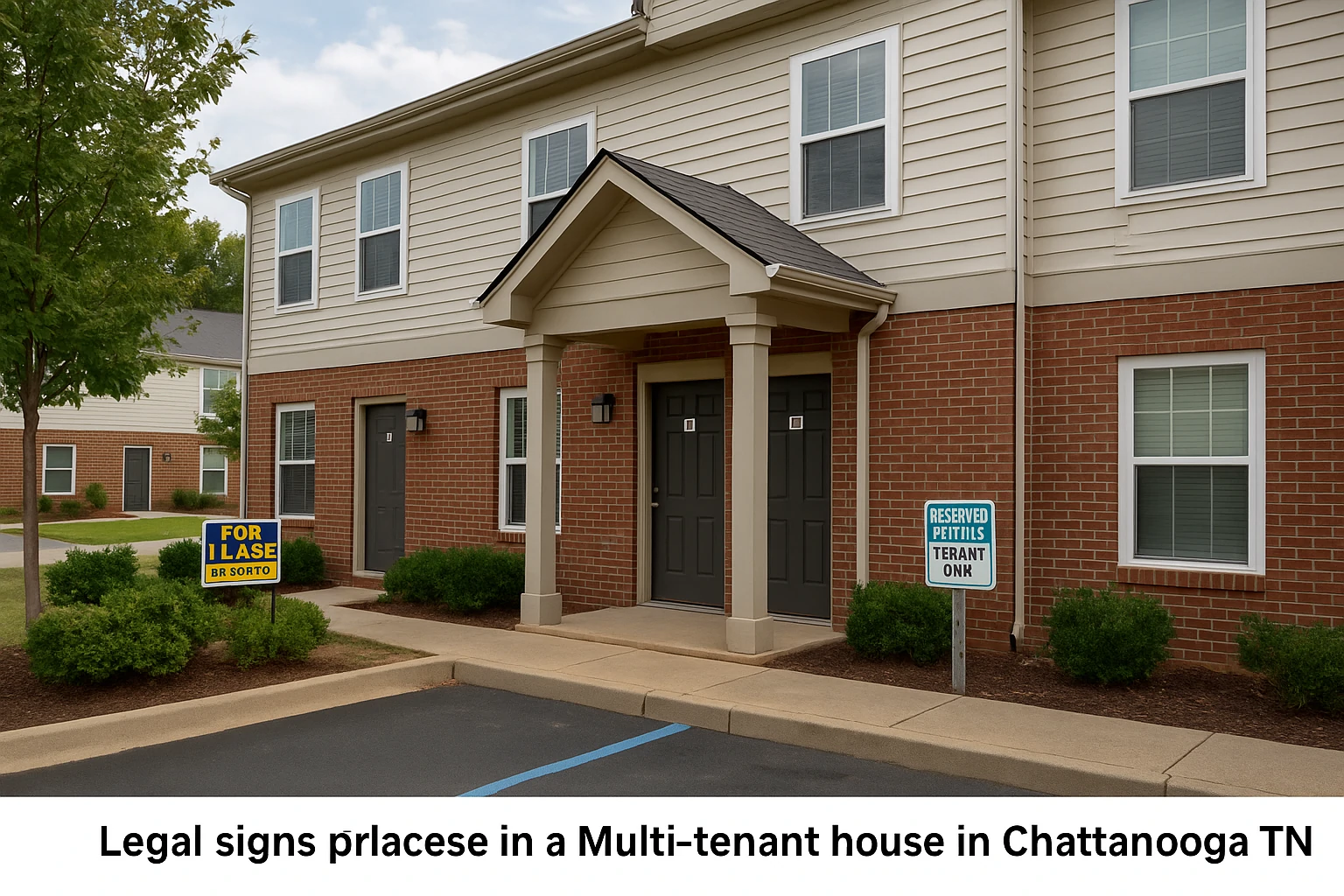
Condominiums, student rentals, and shared-entry apartments all fall under this group. Each unit must be labeled. Visitors must know where to go. Emergency staff must find the correct door fast. A missing unit number can delay help. A faded building sign can create confusion.
Unit signs matter in buildings where doors look the same. Even in newer properties, clear labeling keeps everyone informed. Good signage helps neighbors live together without conflict.
Why Proper Signage Protects Tenants Legally and Physically
Signs protect renters in many ways. First, they help emergency workers find the right place. Fire crews need to move fast. Medical teams must not waste time looking for unit numbers. In a crisis, every second matters.
Clear signs reduce confusion. Guests find the right door. Deliveries reach the correct tenant. Trash bins stay organized when labeled. Parking signs prevent fights between renters. When people know the rules, they follow them more easily.
Signs can also support legal access. People with vision issues may need larger print. Fair housing laws support clear, readable signs in common spaces. If signs go missing, renters may lose access to vital areas. A broken exit sign can become a safety risk.
Poor signage causes stress. Renters complain about lost packages or blocked driveways. Owners face fines if city code officers find violations. Strong signs protect everyone involved. They show care and respect for the people who live there.
Overview of Chattanooga’s Sign Ordinance (Updated 2025)
Chattanooga has a sign ordinance. This law covers where signs go, how big they can be, and how they must look. Some signs require permits. Others do not. Knowing the difference helps avoid mistakes.
The ordinance sets limits on lighting, shape, and size. Outdoor signs must not block sidewalks. They cannot shine too bright in residential zones. Some signs must use special colors or materials in historic districts.
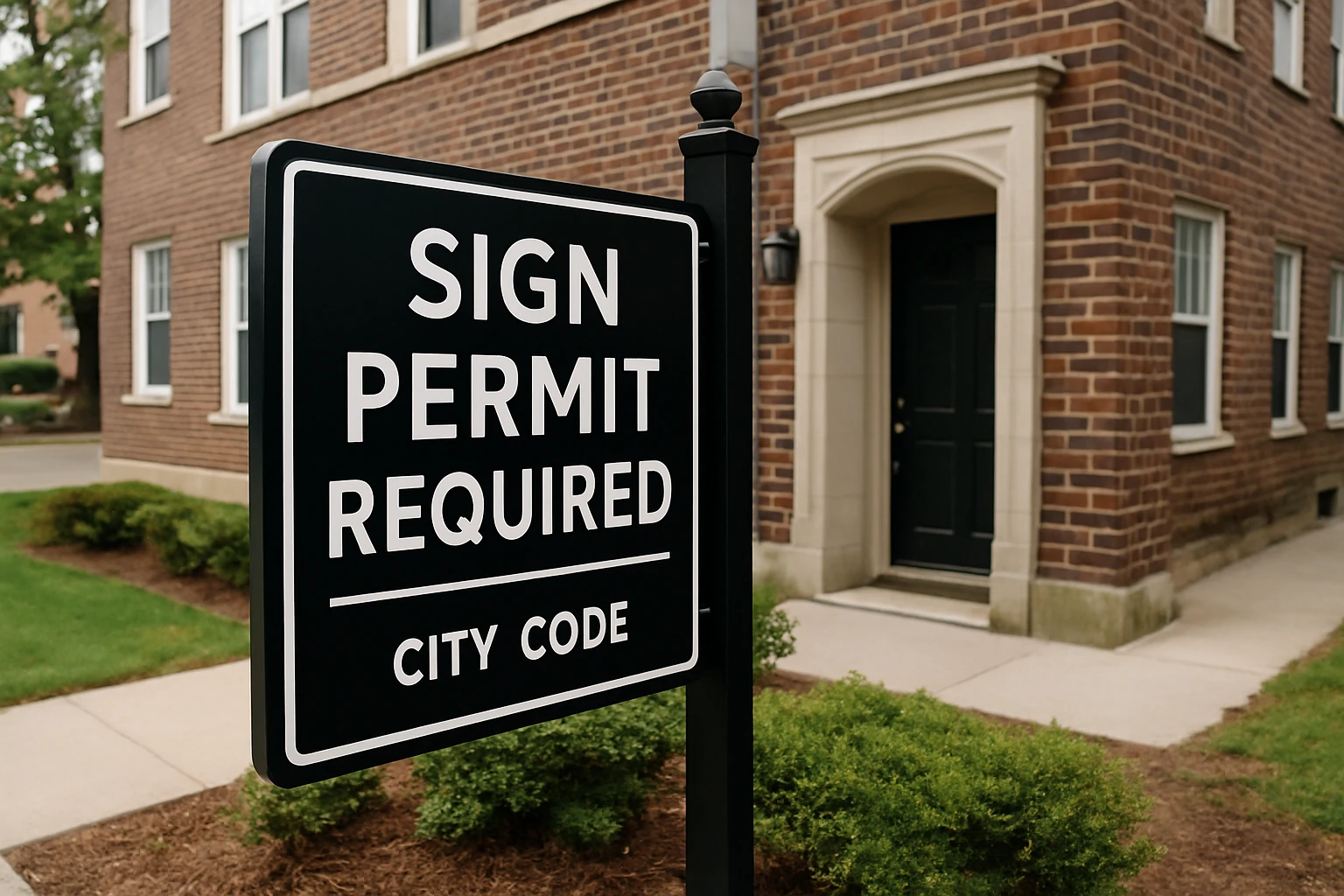
Luxury apartments may face more design rules. Buildings in older parts of the city must follow stricter guidelines. Signs that break these rules may need to be removed or replaced. That costs time and money.
Local inspectors check signs during routine visits. If signs are missing or damaged, they may write citations. Landlords must act fast or risk penalties. Understanding the code helps owners follow the law and keep tenants happy.
Even paper signs inside a building must stay clean and easy to read. If tenants can’t see them, they don’t count under the code.
The 5 Crucial Signs Every Multi-Tenant Property Must Have
1. Building Identification or Entrance Sign
Every building must have a clear address. This may include the street number or a property name. The sign should face the road and remain easy to read, day or night. This applies to small triplexes, duplexes, or larger buildings with shared space.
Some properties use printed signs. Others use metal, wood, or plastic. In high-traffic zones, the city may require reflective material. A name like “Oakwood Court” can also help guests and delivery workers. Permanent signs work best. Paper or cardboard signs wear out fast.
2. Unit Number or Directory Sign
Each unit must show its number. The number must be easy to spot. It may go on the door or next to it. If the hallway has several doors, a directory helps. This lists unit numbers and where each is located.
Emergency teams depend on unit numbers. So do postal workers and visitors. Directory signs in the lobby or entrance area offer extra support. Landlords should check these signs often. If a number falls off or fades, it must be replaced.
3. Directional Signs (Inside and Out)
Direction signs help people move through the property. These signs may point toward stairs, laundry rooms, exits, or mailboxes. Outdoor signs can point toward visitor parking or trash bins. Clear signs prevent confusion.
The city often requires exit signs. These may need lighting. Direction signs inside must meet visibility standards. They must not block hallways or hang too low. A good sign points the way and stays in place.
4. Policy and Legal Compliance Signs
Signs about rules support peace in shared housing. These include “No Smoking,” “Quiet Hours,” or “Pet-Free Area.” These signs remind people of the rules. They stop problems before they begin.
Some laws require landlords to post fair housing notices. Other signs may warn about pesticide use or show pest control dates. These notices must go in public spaces. They must be readable and up to date. Printable signs work if they stay clean and easy to read.
5. Parking and Outdoor Management Signs
Parking causes many tenant disputes. Signs that show who parks where can stop trouble. “Tenant Parking Only” or “Visitor Parking Ends at 10 PM” helps everyone stay informed. Tow signs warn about illegal parking.
Signs near outdoor spaces may guide people. They show where to place trash bins, when pickups happen, or where bikes should go. These signs keep the outside area clean and organized.
What to Include on a Custom or Outdoor Sign in Chattanooga
A strong sign includes key information. This may be a street address, unit number, or building name. Some signs add contact hours, emergency numbers, or simple rules. Each sign must use clear fonts. Avoid script or fancy letters. Keep letters large and bold.
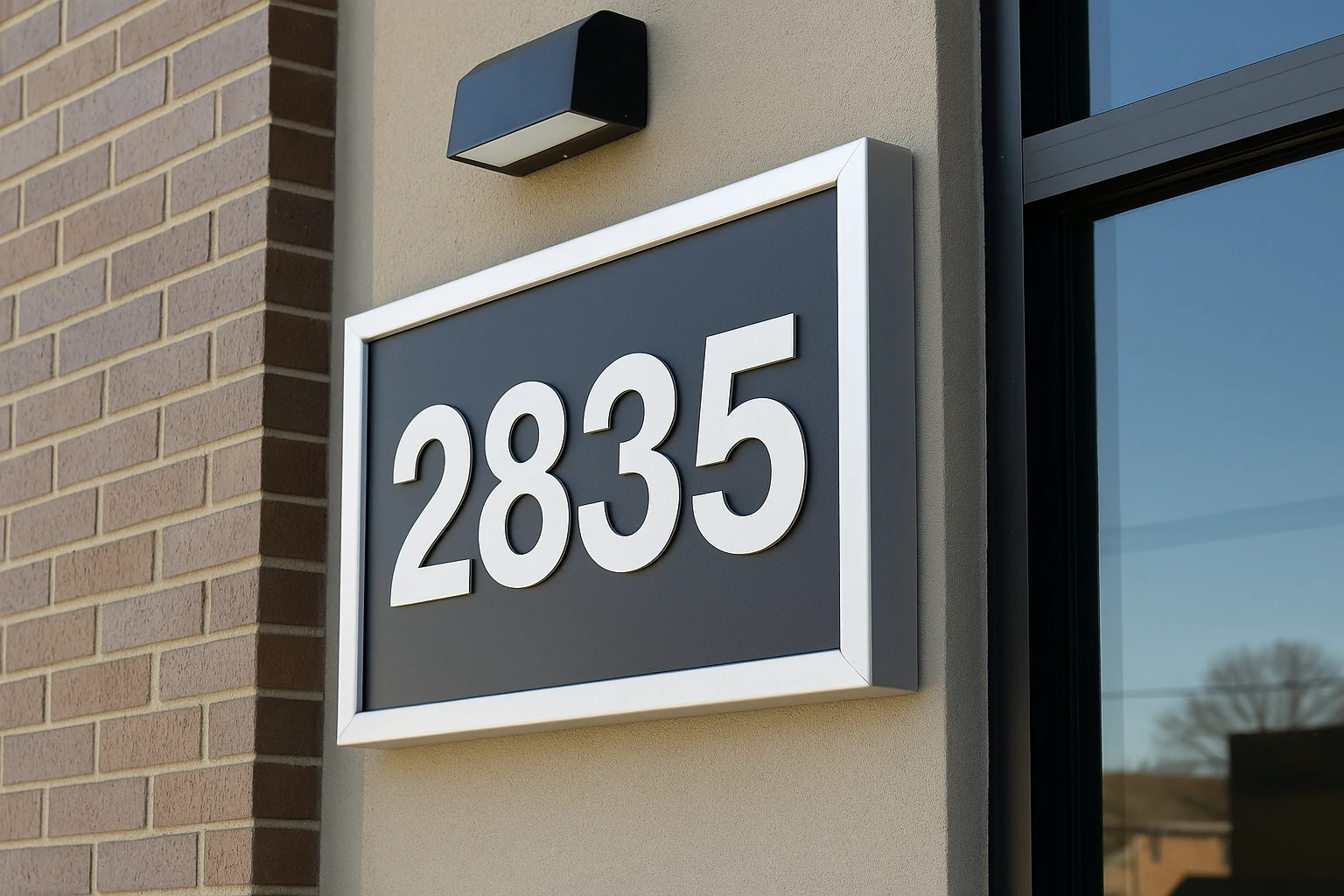
The material matters. Metal and plastic signs last longer. Signs must stay dry, upright, and attached. Contrast between text and background helps with visibility. Use dark print on light colors or the opposite. Signs should never blend into the wall.
The city allows some signs to light up. Others may glow at night without electricity. Backlit signs help in dark areas. Flashing signs may be banned. Always check your zone rules before you use lighting.
How to Apply for a Sign Permit in Chattanooga TN
Some signs need a permit. These include large signs near the road, signs with lights, or signs over a certain size. To get a permit, you must complete a form and submit it to the city.
First, visit the city’s zoning office or website. Ask for the current sign code. Find out what signs need approval. Then fill out the permit form. You may need to show a sketch, location, and materials list. Pay the fee. Wait for review.
Some zones need extra approval from a board. Historic zones or high-traffic areas may take longer. Keep all papers in a file. If the city asks questions later, you will have proof of your request.
Chattanooga Neighborhood Zoning Differences That Affect Signage
Zoning rules change by area. In some neighborhoods, signs must stay small. Other zones allow larger or brighter signs. Mixed-use zones often permit more types of signs. Pure residential areas limit sign height and lighting.
Historic overlay zones need special review. If your property sits in one, check the local design guide. Signs may need wood frames, dark colors, or certain shapes. Condo communities may follow their own rules too. Homeowners’ associations often have sign limits in the lease.
Before you install a new sign, check your zone. Use the city’s online zoning map. If you feel unsure, ask a city planner. They can explain what is allowed.
Design, Customization & Compliance Tips
A good sign follows the rules and still looks clean. Choose fonts that are simple and bold. Avoid clutter. Keep your message short. Too many words confuse readers.
Use weatherproof materials. Plastic, metal, and treated wood last longer. Check the edges and screws. Sharp corners or loose frames cause injury.
Keep your colors smart. Use contrast. Do not pick pale letters on a light background. Avoid shiny material that blinds the eyes. Test your sign from a distance before you post it.
Skip blinking lights or moving parts. These cause distraction. Unless allowed, avoid digital signs. If your area allows backlights, use soft lighting that does not disturb neighbors.
Sign Maintenance, Damage, and Tenant Rights
All signs break down over time. Sun fades paint. Wind cracks boards. Metal rusts. When a sign breaks, the owner must replace it. Delay creates risk. A missing exit sign or address number puts people in danger.
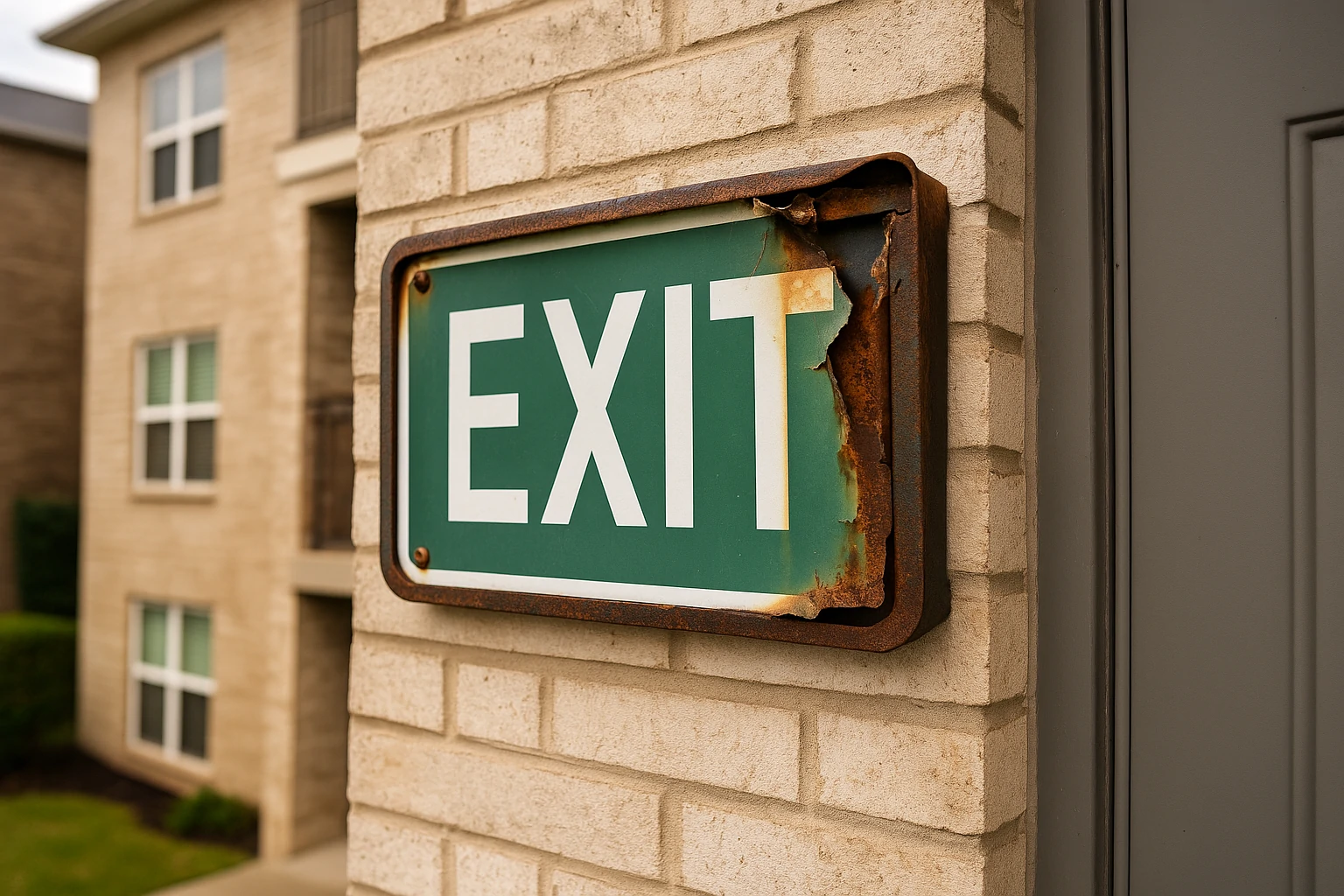
Tenants can report broken signs. Take a photo. Send a note to the landlord. Keep a copy. If no one responds, contact city code staff. They will inspect and send a notice.
If a broken sign leads to harm, renters may have a legal claim. Lawyers often help in habitability cases. Always act early before a problem grows.
How Tenants Can Address Signage Problems
Tenants have the right to safe housing. That includes signs. If signs are missing, unclear, or wrong, tenants can act. First, ask the landlord in writing. Describe the problem and request a fix.
If nothing happens, reach out to the Chattanooga code office. File a complaint. An inspector will review the case. If needed, the city will fine the owner.
Some leases explain who handles signage. If the lease promises certain signs, the owner must follow through. Renters can also speak with legal aid or tenant support groups.
Landlord and Manager Signage Checklist
Landlords can review their property signs with a simple checklist. This helps them stay compliant with Chattanooga rules and gives tenants a safe and clear place to live. A short walk around the building once in a while is often enough to catch small issues before they grow.
Ask yourself:
- Is the building address clear from the street?
- Are unit numbers posted and easy to read near each door?
- Are exit paths marked and simple to follow?
- Are parking spaces labeled so tenants and guests know where to park?
- Are rule signs posted in shared spaces such as halls, entries, or near trash areas?
- Are directional signs pointing toward stairs, laundry rooms, or mail areas?
- Are old or faded signs replaced with durable materials?
- Are any printed notices kept clean, framed, and readable?
- Are all signs mounted in safe spots, without blocking doors or walkways?
- Does the building meet the design or lighting rules of the zone or neighborhood?
A landlord who checks these points often will avoid complaints and code violations. Strong signs keep the property easy to use and help tenants trust the space they live in.
Quick Recap Checklist ✅
- Address visible from the road
- Unit numbers posted at doors
- Shared rules posted clearly
- Exit and safety paths marked
- Backlit signs approved if used
Examples of Good and Bad Signage (Visual Checklist)
Good signage stays clear, strong, and in place. It uses bold print and readable fonts. A proper sign stays mounted and points the right way. A clean sign earns trust.
Bad signage looks faded, bent, or torn. Signs that lean or fall confuse people. Paper signs with tape fail fast. Poor signs hurt the building’s look. They also invite legal problems.
Walk your building as if you were a first-time visitor. Would you know where to go? Would you feel safe?
When to Contact a Tenant Rights Lawyer About Signage
Some sign problems go beyond confusion. If someone gets hurt because a sign was missing, legal help may be needed. If a landlord ignores serious complaints, it is time to speak to a lawyer.
Lawyers also help if a sign misleads people or violates housing rights. Signs that block access or post false rules may count as discrimination. If complaints to the city bring no change, a lawyer can step in.
A letter from a lawyer may lead to fast results. In serious cases, legal action protects the tenant’s health and safety.
🏡 Explore More: Section 1983 Rights and Legal Help in Arizona – Understand how tenant protections go beyond signs.
Final Thoughts
Signs play a quiet but important role in every multi-tenant building. They help people move through spaces with ease. They protect renters from confusion, injury, or delay. They support visitors, delivery services, and emergency crews. When signs are clear and visible, tenants feel safer. Guests feel welcome. Owners show pride in their property.
Chattanooga has strong rules about signs for a reason. A missing number or broken notice may seem small, but it can lead to bigger problems. Tenants may feel unsafe. Neighbors may argue. Owners may face fines. A building with no signs looks uncared for. A building with strong signs feels managed and respected.
Landlords must treat signs as part of their legal duty. They must follow size rules, lighting limits, and placement standards. They must repair or replace signs when needed. They should check signs every few months. A strong sign today may need fixing in a year. Good maintenance shows long-term care.
Tenants have a voice too. They should know what signs to expect. They should speak up when signs go missing or stop working. A note to the landlord is a smart first step. If that fails, help is available from the city or legal groups.
A good building speaks through its signs. It says, You are safe here. It says, Rules matter. It says, Someone cares. Make sure your building says the right thing. A clear sign makes all the difference. Always let your property speak with clarity and respect.
👤 A Real Note from a Chattanooga Tenant
I once moved into a small apartment complex on the west side. None of the units had signs, and delivery drivers kept mixing up packages. Worse, emergency services showed up late one night during a medical scare. The landlord later installed proper unit numbers, and everything changed. It’s such a small fix, but it made a big difference.
– M. Jordan, Tenant in Brainerd, Chattanooga
Frequently Asked Questions
Are outdoor signs required in Chattanooga?
Most multi-tenant buildings must display a clear street address visible from the road. Each unit also needs a marked number near the door. These signs help visitors, emergency crews, and delivery services. Buildings without proper signage may violate city codes, and landlords could face fines.
Can a landlord use printable signs?
Sometimes. Indoor printed notices like rule sheets or pest alerts are allowed. Outdoor signs, however, should use durable materials like metal or plastic. Paper signs wear out quickly. If used, printable signs must be framed, easy to read, and kept in good shape.
Do condo buildings need different signs?
Often, yes. Condos usually follow rules set by a homeowners association in addition to city laws. These may cover size, font, and location. Before adding or changing signs, landlords must check both HOA rules and local sign codes.
Are backlit signs allowed everywhere?
Some zones restrict lighting. Backlit signs may be banned or allowed only during certain hours. Historic areas often have stricter rules. Landlords must check the zoning map and may need a permit before installing a lighted sign.
What if a landlord refuses to fix signs?
Tenants should report the issue in writing. If ignored, they can contact the city’s code enforcement office. The city may inspect and issue a warning or fine. If the issue risks health or safety, renters can also seek help from a tenant rights lawyer.
📢 Share Your Experience
Have you faced a signage issue in Chattanooga? Tell us briefly: