
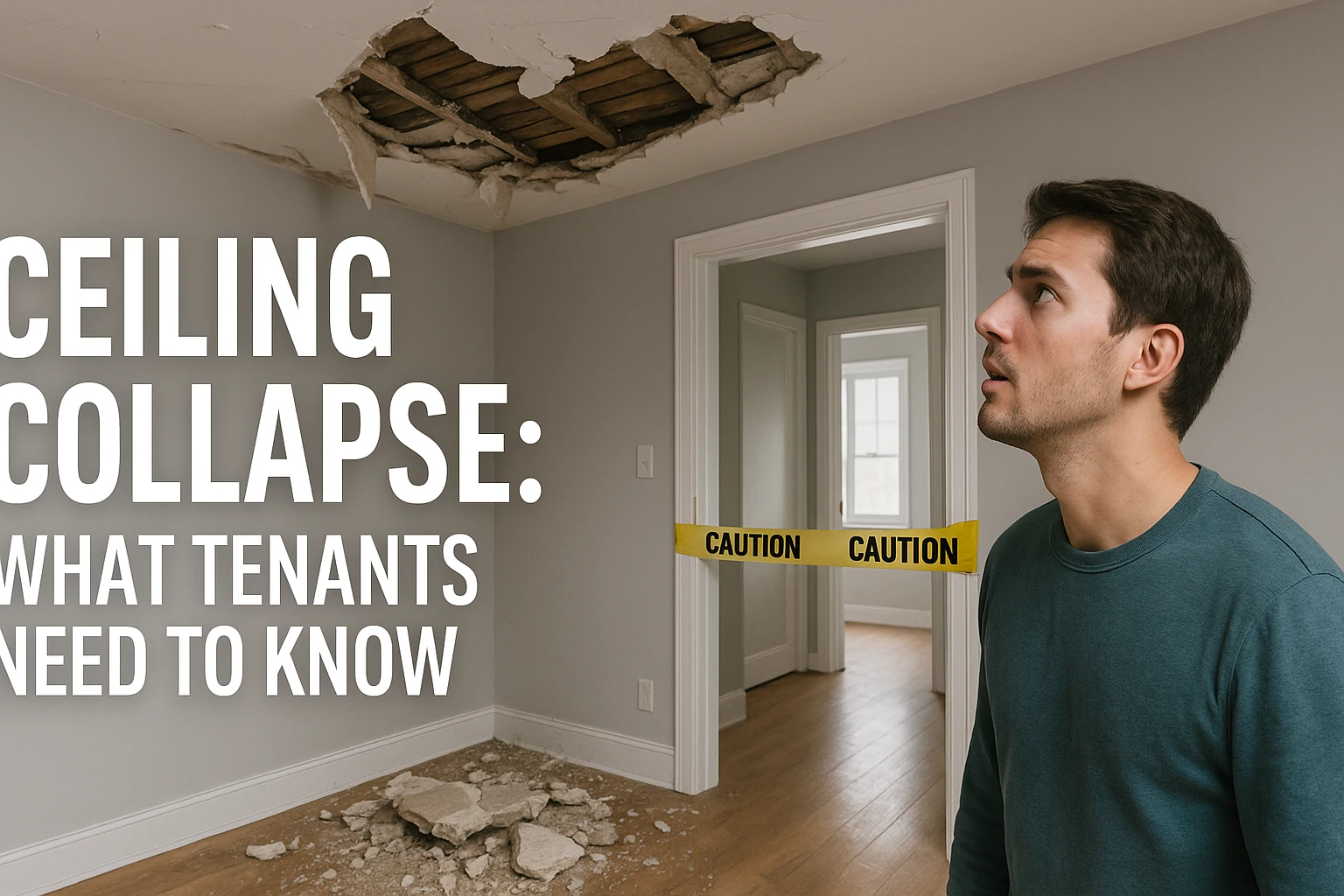
A ceiling should never fall. It protects the people inside. When it fails, it can hurt someone, damage belongings, or even make a home unlivable.
Many tenants do not know what steps to take. They worry about safety, costs, and legal problems. A ceiling collapse feels sudden, but most cases show clear signs before it happens.
This article explains what to do after a ceiling falls. It also covers why these incidents happen, how the law protects renters, and what settlements look like.
If you rent a place and the ceiling gives way, this guide can help. You may have a strong case if the owner ignored known risks. You may also get paid for injuries, pain, and property loss.
Why Ceilings Collapse in Rental Homes
Most ceiling collapses come from water damage. A leaky pipe or old roof lets water seep into ceilings. Over time, that water softens the wood and drywall.
It causes mold, sagging, and cracks. Then, without warning, the structure gives in and falls.
Some ceilings fall due to poor construction. If the materials used were weak or the builder made mistakes, the ceiling can fail years later.
Old buildings also carry risks. Wood rots, support beams shift, and nails loosen. If a ceiling holds weight it wasn’t designed for, it can break apart.
Rodents, termites, and bugs also eat into ceiling materials. They hollow out the layers. Over time, their damage spreads.
Add moisture or heat to that, and the structure weakens fast. If the landlord ignores these problems, it becomes a serious safety threat.
First Steps After the Collapse
Get to safety first. If you hear a loud crack or see a ceiling bulge, leave the room. If the ceiling has already fallen, make sure no one is hurt.
Call 911 if someone needs help. Once safe, take photos of the damage. Show the fallen material, broken items, and any watermarks.
Tell your landlord or property manager as soon as possible. Use email or a written message. This creates a record of your report.
Ask when repairs will begin and request help if you cannot stay in the unit. Keep copies of all communication.
Do not throw away damaged items unless told. Take photos of everything. If you have renter’s insurance, file a claim for your losses.
Some policies cover hotel stays if your place is unsafe. If the landlord caused or ignored the problem, consider legal action.
When the Landlord Is at Fault
Landlords must keep the unit safe. This includes the ceiling. State laws and local housing codes require repairs when there are leaks, cracks, or damage. If the landlord ignores those duties, they may be responsible.
The law often looks at whether the owner knew about the issue. If you reported leaks or stains and got no response, that’s a strong sign of fault. If inspectors found violations and no repairs happened, that also shows neglect.
Even if you never filed a complaint, the owner may still be liable. Some damage is so obvious that they should have known. If the ceiling broke without an outside cause, courts may say the owner failed to maintain the home.
What Rights Do Tenants Have?
You have a right to a safe home. When a ceiling collapses, that right is gone. You may have the right to sue for injuries, stress, and property loss. You may also end the lease early or stop paying rent in some cases.
Many states recognize the “warranty of habitability.” That means landlords must provide a livable home. A fallen ceiling makes the unit unfit. You do not need to prove fault to leave or seek repairs. You just need to show that the home is unsafe.
If you want to stay and the landlord refuses repairs, the law may let you fix the problem and deduct the cost from rent. This rule varies by state, so check with a lawyer first. Acting without legal advice can hurt your case.
Settlements from Real Tenant Cases
Some tenants have received large payouts after a ceiling collapse. One woman in New York got over $2.25 million settlement when a bathroom ceiling fell and injured her spine. She had complained about water leaks for months.
Another tenant settled for $1.5 million after a living room ceiling dropped on him during a movie. He suffered a shoulder injury and back pain. The building had a long history of poor upkeep.
In another case, a mother received $750,000 when a kitchen ceiling caved in while she was making dinner.
She had filed four complaints before the incident. She moved out and used the money to pay medical bills and find a new home.
These cases show that tenants can win if they document the danger, report it, and get medical care. Each case is different, but most courts protect tenants who were harmed due to neglect.
Why You Need a Lawyer
A lawyer knows how to handle these cases. They help collect records, inspect the damage, and talk to insurance companies.
They can also bring in experts to prove what caused the collapse. Most work on a “no win, no fee” basis, so you pay nothing unless you win.
Your lawyer will ask about past reports, damage history, and health issues. They will check if others have had similar problems in the building.
They may also request records from the city or housing office. This shows if the landlord had notice or warnings.
Many landlords settle to avoid court. If not, they can file a lawsuit and ask for full compensation. Without a lawyer, you may miss out on money you deserve.
What Insurance Covers (And What It Doesn’t)
Renter’s insurance helps with property loss. It may pay to replace furniture, clothing, or electronics.
Some plans also cover hotel stays if your home becomes unsafe. It does not cover injuries. That must come from the landlord’s insurance or a court claim.
Landlords carry property insurance. If a ceiling falls due to a leak or broken pipe, their policy may cover your injury. That depends on the cause. If the collapse was sudden and no one saw it coming, the claim may take longer.
Always review your policy. Some exclude water damage or structural issues. Talk to your agent and ask what to do. Keep your claim file updated with photos, receipts, and repair estimates.
How to Protect Yourself Before It Happens
Check your ceilings often. Look at them once a week. Pay attention to new stains, cracks, or sagging spots. These signs mean something is wrong.
Take photos if you see damage. Send a report to your landlord. Use email or written notes. Always keep a copy. Do not rely on phone calls or casual talk. Written proof matters most.
Save every photo and message. If a ceiling falls later, those records prove you warned the landlord. A clear report shows that you acted early. It also shows the landlord had time to fix the danger but failed to do so.
Speak with neighbors in the building. Ask if they had leaks or ceiling problems. If others have the same issue, it may be a sign of poor building care. This pattern helps show that the landlord knew or should have known about the risk.
You can also check for housing code violations. Many cities list these online. If your building has a long history of problems, get those reports. They add strength to your claim if damage happens.
If you think the ceiling is not safe, ask the landlord for a full inspection. Write your request. Keep their reply. If the ceiling later collapses, this shows you tried to stop it.
Courts and lawyers look at these records when deciding fault. Stay alert. Stay prepared. Your proof can protect your health, your home, and your legal rights.
Final Thoughts
A ceiling collapse can turn a safe home into a disaster. It can injure your body, ruin your things, and leave you without shelter.
But the law stands with you. If the landlord knew about the risk and failed to act, they may owe you more than just repairs.
You must act fast. Get medical care. Take photos. Contact a lawyer. Report the damage in writing. Keep all proof.
The more records you have, the stronger your case will be.
Many tenants win their cases or settle for large sums. They do not face this alone. If you suffered due to a ceiling collapse, legal help exists.
Your safety and peace of mind come first. Stand up, take action, and let the law protect you.
Disclaimer: This article does not give legal advice. Speak to a licensed attorney in your area to get help with your case.