California streets are full of movement. Cars pass by, bikes rush through, and people cross roads at every corner. One act often seen but not always understood is jaywalking. It looks simple. A person walks across the street where there is no marked crosswalk. But the rules behind this act are more layered than they seem. Many ask if jaywalking is still illegal. Others wonder what happens if a crash involves someone who did not use the crosswalk.
The state has changed how it treats jaywalking. In early 2023, a new law took effect. The Freedom to Walk Act shifted the way tickets are given to pedestrians. This led to confusion across cities. Some now think jaywalking is legal in all cases. Others believe police no longer care about where someone crosses the road. Both views miss the point.
Understanding jaywalking in California means looking at the law, risk, and behavior. Drivers must watch for pedestrians. Walkers must stay alert to danger. Both hold duties. If an accident happens, the question of fault is not easy to answer. Courts look at more than where the person walked. They ask if anyone was careless, distracted, or acted in an unsafe way.
This guide breaks down every detail. It covers the law, the changes, the penalties, and how both walkers and drivers should respond. It also answers the biggest questions people ask every day. Whether you walk to work or drive each morning, knowing these facts helps you stay safe and avoid trouble.
What Jaywalking Means Under California Law
Jaywalking means crossing a road outside a legal zone. It often happens when someone walks between two intersections with working traffic lights. It also happens when people step into the road against a red signal or cross from one curb to another without a marked crosswalk. In simple terms, it means crossing where the law does not allow.
The law in California still bans this act in many forms. Section 21955 of the Vehicle Code says pedestrians must use a crosswalk if traffic lights control the area. But the Freedom to Walk Act (AB 2147) has softened the punishment. Police can no longer ticket someone just for crossing outside the lines. There must be a real danger. If the road is clear, and the pedestrian does not put anyone at risk, a ticket is unlikely.
This does not mean jaywalking is now legal in full. It means the law only punishes unsafe acts. A person who crosses slowly in front of fast traffic can still face a fine. One who runs across when no car is near may not. The state hopes this rule shift helps people who walk more often, especially in low-income zones, without putting lives at risk.
Drivers Must Still Yield with Caution
Even with new rules in place, drivers must watch the road. They must stop at marked crosswalks. If a person steps into the street at a legal crossing, the car must yield. In cases where someone jaywalks, the rule changes. A driver does not always have to stop, but must still act with care. The law expects drivers to avoid harm, even if the pedestrian broke a rule.
The risk grows when people walk across large roads or do so at night. A driver may not see someone in time. In that case, a crash may still happen. If it does, courts will look at every move. Did the driver speed? Was the walker looking at a phone? Who had more time to act? These questions help decide who was at fault.
Fault Is Not Always Clear
In a crash, blame is not simple. California uses shared fault rules. That means more than one person can be at fault. If a pedestrian jaywalks and a driver fails to brake in time, both may share blame. The court may say the walker caused 60 percent of the issue. The driver caused the rest. This rule matters in court claims and insurance reports.
If someone gets hit while jaywalking, they may still get money for injury. But the amount goes down based on their fault share. If they held half the blame, they may only get half the payment. This is why the facts of each case matter. Videos, reports, and witness stories can change the outcome.
When Are Pedestrians Most at Risk in California?
Not every road or time of day carries the same level of risk. Some situations make pedestrian crashes more likely. Knowing them helps you make better decisions.
High-Risk Times and Zones
- Night hours make it hard for drivers to spot people in dark clothing
- Busy intersections with fast-moving vehicles give less time to react
- Multi-lane roads create blind spots between lanes
- Rural highways may not have sidewalks or lights
- Areas with no crosswalks force people to walk across at random points
- School zones and bus stops can surprise drivers if people rush to cross
Pedestrians must stay alert and use safe crossings when possible. Many jaywalking injuries happen in spots where drivers least expect a person to walk.
Legal Changes and Public Myths
The Freedom to Walk Act took effect in 2023. Many believe this law made jaywalking legal. That is not true. The law did not remove jaywalking rules. It only limited when police can stop or fine someone. There must now be an “immediate hazard” or clear risk. That means if someone walks across the street in a safe moment, a ticket is not allowed.
This law aims to stop over-policing. It gives more freedom to pedestrians but expects them to act wisely. If someone walks carelessly, runs across busy roads, or causes drivers to swerve, they can still face fines. The rule protects safe walkers but does not allow reckless acts.
Do Police Still Enforce Jaywalking Laws?
Police in California now issue fewer jaywalking tickets. The Freedom to Walk Act changed how officers respond. They cannot fine someone unless the crossing creates real danger. That means safe crossings, even outside a crosswalk, often go unpunished.
Still, enforcement varies. Some cities remain strict. Others focus on more serious traffic crimes. If you walk across a busy road at night or surprise a driver, you may still get a ticket. Police look at safety, not just location.
Jail Time and Tickets for Jaywalking
Jaywalking is an infraction, not a crime. A person will not go to jail for crossing a road illegally. But if the ticket is ignored, the issue can grow. Late fees, missed court dates, or unpaid fines can lead to larger trouble. Courts may place holds on your license or issue warrants in rare cases. Paying the fine on time or asking for help can stop that from happening.
The cost of a jaywalking ticket can vary. In many cities, it starts at around $25. Added fees can push it close to $200. Each area sets its own base fine. If the act created danger, the fine may be higher. Still, the new law means fewer people will face tickets unless the act was unsafe.
Can You Be Jailed for Unpaid Jaywalking Fines?
Jaywalking tickets do not lead to jail. But if you ignore the fine, the issue grows. Unpaid tickets may lead to license holds, collections, or a court summons. If you skip court, the judge may issue a bench warrant. That can lead to arrest in rare cases.
Pay the ticket or ask for help. Many courts offer payment plans or lower fines. Acting early keeps small issues from turning serious.
How to Handle a Jaywalking Ticket in California
Some tickets feel minor, but ignoring them can cause trouble. Handle the process with care and avoid late fees or license issues. Here’s what to do:
- Pay the ticket online, by mail, or at the traffic clerk’s office
- Read all instructions on the back of the citation before taking action
- Ask the court for a payment plan if the fine feels too high
- Appear in court if you want to fight or explain the charge
- Never ignore the deadline it may add extra penalties or a license hold
Handle tickets early to stay out of legal trouble. Early action saves time, money, and stress.
Crossing Freeways and Other Dangerous Roads
Walking on a highway is illegal in California. Pedestrians are banned from freeways unless their car breaks down or another emergency occurs. Freeways are not made for foot traffic. Speeds are high, and exits are few. Walking there puts everyone at risk. If a person walks on a highway without cause, police can stop and fine them.
Even on regular streets, some rules still apply. People must cross at corners if traffic lights exist. Sidewalks must be used if present. Roads with no sidewalks allow walking on the edge, but not in traffic lanes. Safety signs and local laws may add more limits in busy areas.
Do Jaywalkers Have the Right of Way in California?
The law gives right of way to walkers in crosswalks. But even jaywalkers may hold some legal ground. If a driver speeds, texts, or fails to slow down, they may still share blame. The court looks at what both people did.
Pedestrians must cross safely. Drivers must try to avoid harm. If a jaywalker steps into the road with no cars around, they are likely protected. If they cause a hazard, their fault goes up. Right of way depends on how each side acts.
Many believe that pedestrians always have the right of way. That is not true. The law gives right of way to walkers in marked zones. Outside those zones, drivers do not have to stop unless a person creates a real hazard. Still, drivers must try to avoid a crash. If someone walks in front of a car, the driver must try to stop.
Pedestrians must also judge the road. They must not step off the curb if a car is too close. If they do, they may lose their right of way. Courts expect both sides to act with common sense. One mistake does not erase the duty of the other party.
Common Myths Around Pedestrian Rules
Some myths still confuse people. Many think you can go five miles over the speed limit without trouble. That is false. Any amount over the limit can lead to a ticket. Another myth says you must only stop if someone fully enters the lane. In truth, if a person steps into the road, you must stop, even if they are still in the first step.
There’s also a belief that drivers can ignore people outside crosswalks. That is risky. If a person is in the road, the driver must slow down. Passing too close or too fast can cause harm. The law expects both care and caution in every case.
Other Traffic Rules Tied to Pedestrian Safety
Pedestrian safety laws in California Several other traffic rules affect how people cross and how drivers respond. One example is the three-second rule. This helps drivers keep a safe gap between cars. It also helps spot walkers in time. The 40-foot rule limits how close you can park near a sign or corner. This makes it easier to see people stepping into the road.
There is also the golden rule of driving in California. It means drive as you would want others to drive near you. Respect, space, and care guide this rule. If followed, it keeps walkers and drivers safe.
What Does Code 3 Mean in California?
You may hear the term “Code 3” after a crash. It means police or medics are responding with lights and sirens. This alert tells drivers to yield and clear the way. It does not affect jaywalking laws, but you may see it in reports or news stories.
If you see emergency lights, slow down. Stop if needed. Let them pass. This keeps everyone safe in fast-moving scenes.
What Happens After a Pedestrian Is Hit
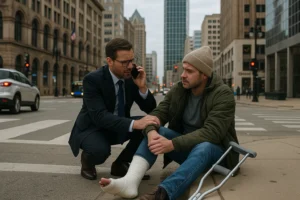
When a walker gets hit and walks away, it does not mean the case is over. Injuries may show later. The driver must still report the event. If the walker later files a claim, the facts will matter. Witnesses, camera footage, and road signs can change how insurance handles the event.
Drivers must stop, even if the person seems fine. Leaving the scene can lead to more serious charges. Always report the crash and speak to an officer if called. Write down what happened. Take photos if possible. These steps help avoid false blame.
Can You Go to Jail for Accidentally Hitting Someone?
Most pedestrian crashes are accidents. If you follow traffic rules and act with care, jail is not likely. But if you drive drunk, flee the scene, or speed in a school zone, charges may follow. Jail becomes a risk when your act shows neglect or danger.
Always stop. Help the injured. Call police. The way you act after the crash can affect what comes next.
Role of Insurance and Court in Pedestrian Cases
If a driver hits someone, their insurance usually pays for damage. If the pedestrian was at fault, their payment may be reduced or denied. Still, most claims get reviewed before a final call. The driver should tell their insurer right away.
Pedestrians do not need to report the crash to their own insurer unless they want to file a claim. If the case goes to court, the judge will weigh all facts. No single rule decides who wins. The judge or jury looks at speed, location, signs, phone use, and how fast each person could react.
Getting hit by a car, even during a jaywalk, can lead to injury or long-term health issues. You may feel fine at first, but some injuries show later. These steps protect your health and your legal case.
To see how pedestrian accident claims can look in other states, see this detailed review from Wisconsin
Key Steps After the Crash
- Stay calm and move to a safe place if possible
- Check your body for pain, bleeding, or swelling
- Call 911 or ask someone nearby to call for help
- Get medical care, even if the injury seems small
- Take photos of the road, car, and any visible damage
- Write down details like the car’s plate and driver’s name
- Ask witnesses for their names and numbers
- Do not admit fault, even if you crossed outside a crosswalk
Once safe, speak to a lawyer if needed. Shared fault still allows injury claims. Your case depends on timing, driver behavior, and road conditions.
Do You Have to Tell Insurance If You Hit a Pedestrian?
If you hit someone with your car, tell your insurance right away. Even if they walked away or you think it was not your fault, you must report it. Delays or silence may cause your insurer to deny claims later.
Most policies require fast notice. If the pedestrian files a case or gets injured later, you want coverage in place. A full report protects you and your legal rights.
Jaywalking in Other Countries
Many people compare laws across nations. In Japan, jaywalking is rare. People there often wait for the signal, even when no cars pass. This comes from deep respect for rules. The law also enforces it more strictly. In the U.S., the view is more mixed. Some states give police more power. Others focus on safety, like California does now.
Who Is Most Likely to Jaywalk in California?
Jaywalking is more common in busy cities. People in Los Angeles, San Francisco, and Oakland cross streets often to save time. Young adults do it more than older groups. People who walk daily or use buses may jaywalk when no crosswalk is near.
Crowded streets, few crossing signs, and slow signals make jaywalking more tempting. But risk rises in fast zones or after dark. Knowing who jaywalks helps shape safer streets and better design.
What Does “Four Fingers Up” Mean for Police?
Some people ask what it means when a cop holds up four fingers. In street slang, this may signal a group, warning, or shared code. It does not tie into jaywalking law. But it shows how traffic stops or events can spread online fast.
Stay calm if stopped. Follow instructions. If unsure about a gesture or phrase, ask politely.
Common Asked Questions
Q: Can I get fined for jaywalking in California?
Yes, police can still fine you. The 2023 law says jaywalking is only illegal if it creates a safety risk. If you cross in front of moving cars or force a driver to slow down fast, you may get a ticket.
Q: Is jaywalking still illegal in California?
It depends on how you cross. The act of jaywalking is no longer ticketed in all cases. California now limits enforcement. If you cross the street outside a crosswalk but do not create danger, the law protects you. If you cross carelessly, you can still face fines.
Q: Do jaywalkers have the right of way?
In some cases, yes. If a pedestrian crosses in a safe, clear moment, drivers must still try to avoid hitting them. Right of way is not automatic outside crosswalks, but drivers must watch for people in the road. Pedestrians cannot step out into traffic and expect cars to stop instantly.
Q: What happens if I hit a jaywalker?
Hitting a pedestrian is serious, even if they broke the rules. You may still hold legal fault if you drove too fast, looked at your phone, or missed a chance to stop. California law uses shared fault rules. If both sides made mistakes, the court splits the blame.
Q: Can I ignore a jaywalking ticket?
No, you should never ignore a ticket. Even if you think it is unfair, skipping payment or court can lead to bigger problems. The fine may grow. The court may add late fees or even suspend your license. You can ask to fight the ticket or request more time to pay.
Final Thoughts
Jaywalking in California is no longer a black-and-white issue. The Freedom to Walk Act gave more space to pedestrians, but it did not remove the duty to act with care. People can now cross mid-block in safe moments without fear of a ticket. But if they walk into traffic or block cars, fines still apply.
Drivers also hold a duty. They must stay alert, slow down when people are nearby, and yield at marked zones. Crashes between cars and walkers still happen. When they do, the facts tell the full story. Shared fault, insurance claims, and injury laws all come into play.
Knowing the rules helps everyone. If you walk to school, bike to work, or drive each day, the law affects you. California wants safer streets. That means shared respect, better focus, and fewer careless steps. Stay alert. Use common sense. Follow the law and help the road stay safe for all.
Disclaimer: This article shares general legal information. It does not offer legal advice. Speak to a lawyer for help with your case.