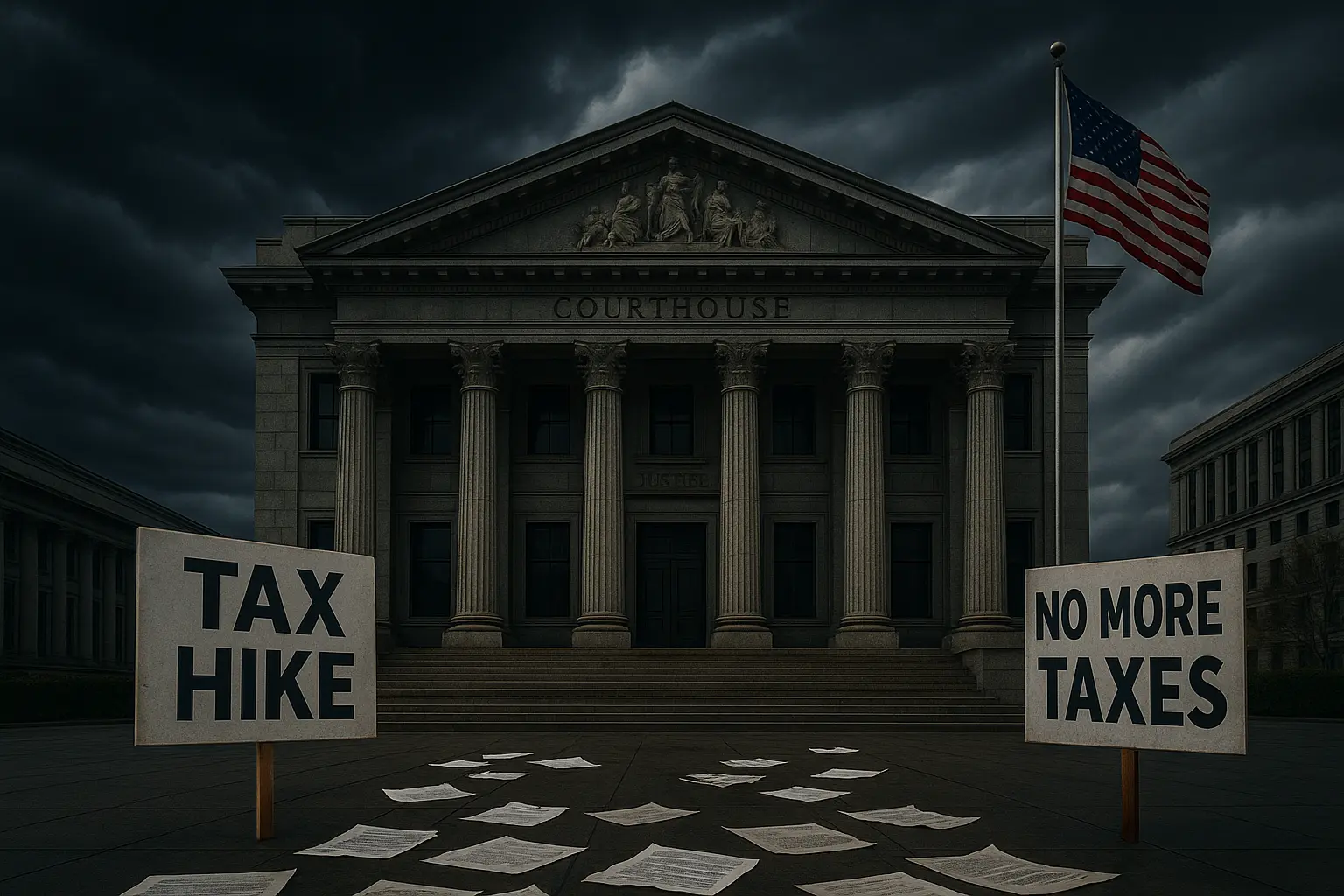
Tax changes often upset people. Some feel new rules come too fast. Others believe the hikes break promises. Across the U.S., legal action has followed many recent tax moves. These lawsuits raise big questions. Did lawmakers follow the law? Did they listen to voters? Were people warned before the change?
In 2026, many cities and states face lawsuits over tax increases. Some involve property taxes. Others touch cannabis, sales, or digital services. These cases affect homeowners, renters, business owners, and even small towns. Tax rise lawsuits are no longer rare. They are part of how the public fights back.
This article explains what a tax rise lawsuit is, how it works, and where it’s happening now. We also explore your rights and what to watch out for. Stay informed. The next tax change could impact you.
What Is a Tax Rise Lawsuit?
A tax rise lawsuit is a legal challenge. A person or group sues the government after a tax increase. They argue the hike broke a law or violated rights. Some lawsuits come after sudden changes. Others follow unclear ballot measures or unfair rules.
These lawsuits often focus on:
- How the tax law was passed
- Whether voters had a say
- If the tax favors one group over another
- Whether the law matches past promises
Courts then review the law. Judges check if lawmakers followed the rules. They also look at how the tax affects people. In some cases, the court blocks the tax. In others, it allows the hike to stand.
Why People File These Lawsuits
Taxes touch every part of life. When they go up, people feel it fast. Property owners pay more each year. Renters may see hikes passed down. Stores may charge higher prices. Lawsuits rise when people feel shocked, tricked, or unheard.
Common reasons people sue over taxes:
- Voters didn’t approve the tax
- Officials broke tax caps or spending limits
- Cities used emergency rules unfairly
- The increase hit one group harder than others
People also sue when a tax affects a business. A new rule might hurt sales or raise costs. When leaders act without clear approval, lawsuits follow.
Real Cases Making News in 2025-2026
Several tax rise lawsuits are active now. These cases show how serious the issue has become.
Michigan Cannabis Wholesale Tax
Michigan passed a 24% wholesale tax on cannabis products. It starts in January 2026. The cannabis industry sued the state. They say it breaks a 2018 voter-approved law. That law promised a 10% tax. Changing that without a new vote, they say, is illegal. The case is still in court.
Delaware Property Tax Case
In New Castle County, Delaware, schools can now set different tax rates for homes and businesses. Landlords and owners sued. They claimed unfair treatment. But in late 2025, a court dismissed the case. That means the rule stands for now. More appeals may come.
Travis County Disaster Tax Use
In Texas, officials used disaster rules to raise taxes by 9.12%. Critics sued, saying there was no real emergency. They claim the rule skipped voter checks. The case may shape future use of disaster tax laws.
What Happens During a Tax Lawsuit
Lawsuits start with a filing in court. A person or group, called the plaintiff, brings the case. The government becomes the defendant. Lawyers gather records, emails, and vote data. Both sides explain their view.
The court may:
- Issue a temporary stop
- Review how the law was passed
- Check if rules were followed
- Rule the tax valid or strike it down
Some cases go fast. Others take years. If the tax stays in place, people must pay. If it fails, refunds may follow—but not always.
How These Lawsuits Affect You
Even if you never file a case, the outcome can hit your wallet. A successful lawsuit may lower your property bill. It could block a future sales tax. It might return power to voters.
On the other hand, failed lawsuits may mean higher costs. In some areas, courts let tax hikes stand. That sets a trend. Other cities may follow.
Also, lawsuits cost money. When cities lose, they may pay legal fees from tax funds. This means even legal wins can drain public budgets.
Can You Join or File a Tax Lawsuit?
Yes, in many cases. If a tax harms you directly, you may qualify. Courts often require:
- Proof that you pay the tax
- Evidence that the law hurt you
- A clear reason the rule broke the law
You can also join class-action lawsuits. These involve many people. A law firm may take the case on behalf of all who paid the tax. You may not need to speak in court.
Before you act, speak with a tax lawyer. They can tell you if your case has merit. They also explain timelines and risks.
Do These Lawsuits Work?
Sometimes. Not every tax hike gets overturned. But many lawsuits win or lead to change. Courts may rewrite how future laws pass. They may block unfair rates. In some rare cases, refunds happen.
Winning depends on:
- Strong legal reasons
- Clear harm to the public
- A court that values taxpayer rights
Even failed lawsuits raise awareness. They show leaders that people watch. They send a message: don’t hide tax hikes.
TaxRise: A Different Kind of Lawsuit
Some people search “Tax Rise Lawsuit” and find complaints about a company called TaxRise. This is not a government lawsuit. TaxRise is a private tax relief firm. It helps people settle IRS debt.
However, the company faces lawsuits too. These involve marketing and phone call issues. Some users say they got calls without consent. A class action was filed over this.
So, if you meant TaxRise (the firm), know that the case is different. It does not involve a tax hike. It involves business practices and consumer rights.
How to Stay Ahead of Tax Hikes
You cannot stop every tax. But you can prepare. Watch local news. Read voter guides. Ask city officials hard questions.
Tips to stay alert:
- Sign up for local budget alerts
- Attend city or county meetings
- Join tax watchdog groups
- Learn about tax caps and limits in your area
Also, check your property value often. Cities use this to set taxes. If your value rises too fast, you can appeal. Many don’t know this is allowed.
What to Watch in 2026
More lawsuits are likely this year. As budgets tighten, cities look for new income. States test rules. Voters demand better notice. Expect cases in these areas:
- Digital services taxes
- Property reassessments
- Energy surcharges
- Business license hikes
Courts may also hear appeals from 2025 rulings. These could set big rules for future taxes. One ruling could affect the whole country.
Final Thoughts
Tax rise lawsuits show how people fight back. They keep leaders honest. They remind everyone that rules matter. In 2026, the stakes are high. Courts will decide if some taxes live or die.
You do not need to fear every new rule. But you should stay aware. Know your rights. Track local changes. Talk with experts when in doubt. A small action today can stop a high cost tomorrow.
Lawsuits are not just for lawyers. They are tools for people. They help keep tax laws fair and clear. Stay involved. The tax fight is not over yet.
Common Questions
What is a tax rise lawsuit?
It is a legal case where people or groups sue the government after a tax increase they believe is unfair or illegal.
Can tax rise lawsuits stop a tax?
Yes, courts can block or cancel a tax if it breaks a law or skips needed steps like voter approval.
Who can file a tax rise lawsuit?
Anyone directly affected by a new tax, such as a property owner or business, can usually file or join a case.
What tax rise lawsuits are active in 2026?
Michigan’s cannabis tax lawsuit and Travis County’s disaster tax case are big examples this year.
Does TaxRise face a lawsuit, too?
Yes, but that case is about marketing and phone calls, not a tax law or increase.
Disclaimer: This article shares general legal insights. It does not give legal advice. Speak with a licensed attorney for personal help.