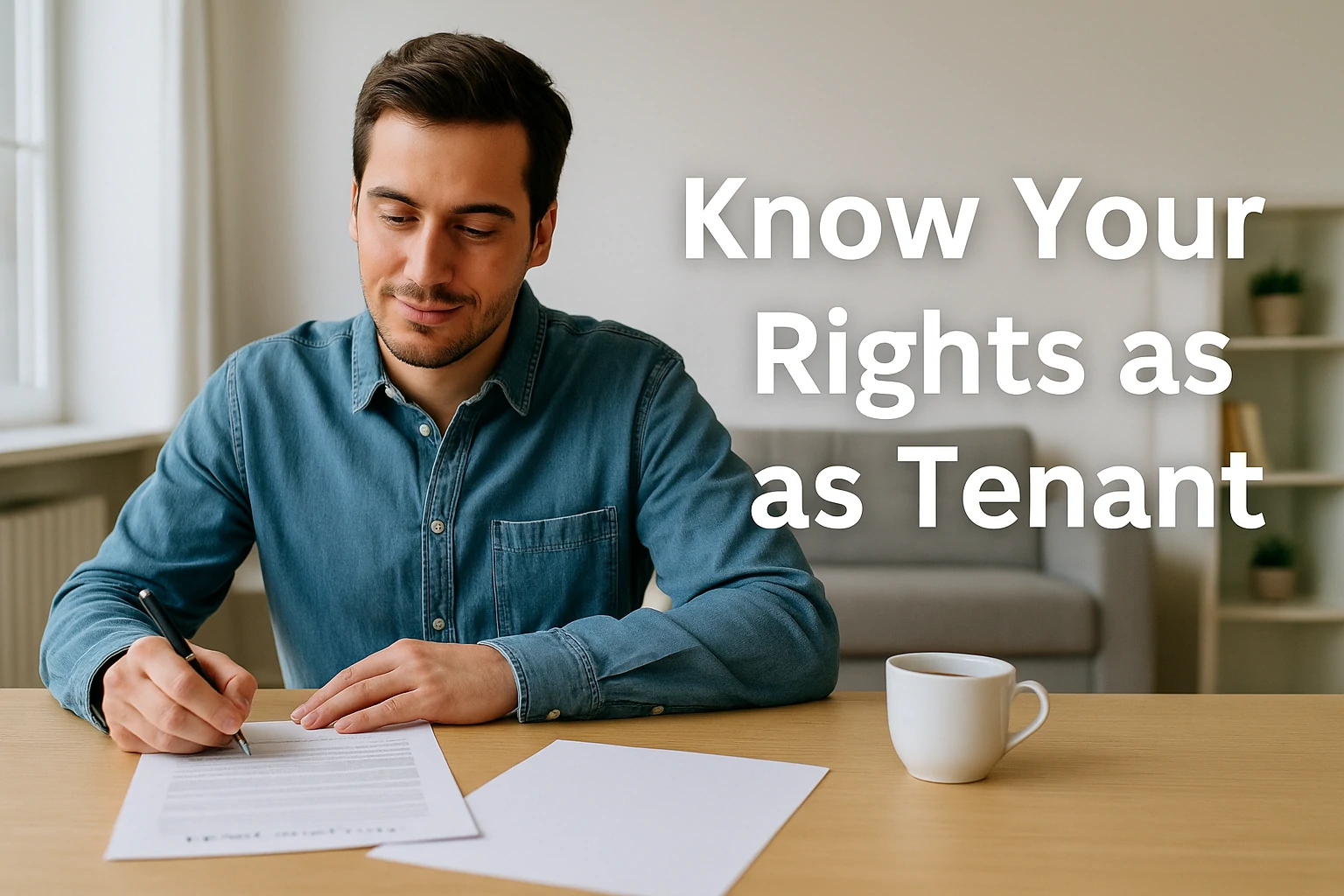
Renting a home means more than paying rent. Your home should bring peace, not pressure. That’s why tenant laws exist. They protect your rights, your money, and your space.
Too many renters stay quiet. Some live in poor conditions. Others face sudden rent hikes or rude behavior. Most do not know that the law already stands on their side. You do not need to guess what is fair. You do not need to feel unsure. The rules are clear. Landlords have limits. You have power.
This guide will walk you through your rights step by step. You will learn what you can ask for. You will also learn what no one has the right to take from you. This is your home. You deserve to live in it with safety and confidence.
Living in a Safe Home
Your home should feel like a safe zone. It should protect you, not put you at risk. The law supports this right. It says every tenant must have a clean, secure, and livable space.
Your landlord must keep the property in good shape. The heat should work in cold weather. The water should run clear. Doors and windows must lock. You should not deal with mold, pests, or broken systems. Cracked walls, faulty wires, or leaking pipes are not small issues. These are safety hazards. You do not have to accept them. The law says your landlord must fix them.
You can take action. Write a short letter. List the problems. Ask for repairs. Keep a copy in case you need it later. The landlord cannot ignore you forever. If they do, contact your local housing office. You can also reach out to a tenant support group. Help is available. Your safety comes first. Never stay silent about unsafe conditions. Speak up. The law is there to protect your home and your health.
When a Landlord Breaks the Law
Not every action from a landlord follows the law. Clear limits exist. A landlord cannot remove you from your home without a court order. Self-help eviction is illegal in most states.
Illegal actions include:
- Changing the locks without a judge’s approval
- Shutting off water, gas, or electricity to force you out
- Removing your furniture or personal property
- Blocking your entry into the unit
- Threatening or harassing you to make you leave
Courts treat these actions seriously. Only a judge can authorize removal. A landlord must follow the legal eviction process step by step.
If you face any of these actions, document everything. Write down dates and times. Take photos if needed. Save all texts or emails. Contact a local housing office or legal aid group as soon as possible. The law protects your right to remain in your home until proper legal steps are complete. No landlord has the power to remove you without due process.
Your Privacy at Home
Your home is your private space. No one should walk in without your say. That includes your landlord. The law gives you control. Your landlord cannot show up without notice. They must tell you why they need to enter and when they plan to come. Most states require at least some notice. Some cities have even stricter rules.
You have the right to quiet, to peace, and to privacy. A landlord cannot knock every day or check in without a reason. These surprise visits are not only rude, but they are also often illegal.
Keep a record if your landlord enters without permission. Write down dates and times. Save texts and emails. Take notes after each visit. This helps if you need to report the behavior.
Call a local tenant support group or housing office if it keeps happening. You do not have to deal with this alone. People are ready to help. Your home is more than a place to sleep. It is your space. The law defends your privacy. Use it.
Your Lease and Your Protection
Never move in without a lease. Ask for it. Read it. Keep it. The lease is more than a form. It is your shield. It sets the rules and protects both sides. And tells you the rent amount, the due date, and what the landlord expects. It also shows what you can expect in return.
A written lease gives you power. You can point to it when things go wrong. You can use it to prove your rights. And you can stop problems before they grow.
Verbal deals often end in trouble. Memory fades. Promises get twisted. A written lease clears all doubt. Do not skip the fine print. Read every word. Ask questions if something seems off. You have the right to know what you are signing.
Store your lease in a safe place. Print it out. Save a copy on your phone or computer. You may need it when a problem shows up. The lease is your safety net. Do not settle for anything less. Get it in writing. Always.
Fair Treatment in Housing
The notice must be clear. It should tell you the new amount and when it starts. A landlord cannot surprise you with a higher bill overnight. Rent increases must follow the lease. They also must follow local laws. Some cities limit how much a landlord can raise. Others allow more freedom. Know the rules in your area.
You can ask questions if the change feels wrong. Always ask for answers in writing. Keep copies of everything. These records help if a problem comes up later. You have the right to plan your money. You have the right to fair notice. No one should pressure you into fast decisions.
Federal Fair Housing Protections
Tenant rights do not depend only on state rules. Federal law also protects renters across the country. The most important protection comes from the Fair Housing Act. This law makes housing discrimination illegal.
A landlord cannot refuse to rent to you because of race, color, religion, sex, disability, family status, or national origin. These protections apply in most rental situations. Some small owner-occupied properties may have limited exceptions, but most landlords must follow this rule.
Housing ads must also follow the law. A listing cannot say “no children” or “only certain groups allowed.” That type of language breaks federal housing rules.
The U.S. Department of Housing and Urban Development enforces these protections. You can file a complaint if you believe a landlord treated you unfairly. Many states also have local agencies that handle these claims.
Discrimination can appear in many forms. A landlord may charge higher deposits to certain groups. They may deny repairs to some tenants. They may reject an application without a valid reason. These actions may violate federal housing law.
You have the right to equal treatment. Your background cannot decide your access to safe housing. The law stands with you if discrimination takes place.
Rules on Rent Increases
A landlord cannot raise your rent without warning. The law gives you time to prepare. Most states require written notice before a rent increase. The time depends on your location. Some states ask for 30 days. Others may ask for 60. You must receive this notice before the new amount starts.
The notice must be clear. It must include the new rent and the date it begins. A landlord cannot slip this change into a casual talk or text. It must come in writing.
Rent increases must follow the lease and local rules. Many cities set limits on how much rent can go up each year. These rent control laws help keep housing fair and stable. Know what your city allows.
Ask questions if the increase feels too high. You can speak to your landlord. Stay calm and firm. Always ask for answers in writing. Keep a copy of the notice. Save all replies. These steps protect you if a dispute comes later.
Your budget matters. Your peace matters. The law makes sure rent changes do not catch you off guard.
Getting Your Deposit Returned
Most tenants pay a security deposit before moving in. This covers damage or unpaid rent. You should get that money back when you leave, as long as the place is clean and undamaged.
Your landlord must return the deposit within a set time, often 14 to 30 days. If they deduct money, they must list the reasons. Take photos when you move in and out. Clean the home before leaving. Ask for a walk-through to confirm everything looks good.
Staying in Your Home Lawfully
You cannot lose your home without a fair process. The law protects you from sudden or forced removal. A landlord must follow legal steps to evict you. They cannot just ask you to leave. They must give you a written notice that explains the reason. That notice must follow state rules.
Common reasons include missed rent, breaking the lease, or damage to the property. Even then, they must allow time to fix the issue or respond.
You have the right to explain your side. The court must hear your case before anyone forces you out. A landlord cannot change the locks, shut off your utilities, or move your belongings without a court order.
Call a legal aid office as soon as you get an eviction notice. Ask questions. Learn your options. You may even stop the eviction Do not panic. Do not move out too early. Stand up for your rights. The law gives you a voice and a chance to stay.
How Eviction Happens Step by Step
Eviction follows a legal process. A landlord cannot remove a tenant without court approval. Each step must follow state rules.
Below is a simplified outline of how eviction usually works:
| Step | What Happens | What You Can Do |
|---|---|---|
| Written Notice | Landlord gives a formal notice that explains the issue. | Review the notice carefully. Fix the issue if allowed. |
| Court Filing | Landlord files a case in court if the issue is not resolved. | Watch for official court papers. Respond on time. |
| Court Hearing | A judge hears both sides and reviews evidence. | Present your lease, receipts, or repair requests. |
| Court Decision | Judge decides whether eviction is allowed. | Follow the court order. Ask about appeal rights if needed. |
| Enforcement | Sheriff or authorized officer carries out removal if ordered. | Prepare only after a legal order is issued. |
A landlord cannot skip these steps. Lock changes, utility shutoffs, or forced removal without a court order are illegal in most states.
Understanding this process helps you stay calm. You have rights at each stage. You have time to respond. And you have the right to defend yourself in court.
Speaking Up About Repairs
If your home has serious problems, the law gives you the right to speak up. Report anything that puts your health or safety at risk. This includes mold, broken heaters, gas leaks, unsafe wiring, pests, or plumbing that does not work. These are not small issues. They can cause harm or damage.
Start with a written request to your landlord. Describe the problem. Ask for repairs. Keep a copy. If they ignore you, contact your local housing or code enforcement office.
You may also have the right to fix the issue and subtract the cost from your rent. This depends on your state. Always check the rules first. You cannot get punished for reporting real problems. The law protects your right to speak up. Keep records, take photos, and get help if needed.
Protection Against Retaliation
The law protects tenants from retaliation. Your landlord cannot raise your rent, evict you, or harass you because you made a complaint or used your legal rights.
If this happens, write down what they did. Keep proof of your actions. File a complaint if needed. Retaliation laws give you the power to fight back. No one should face pressure for speaking up.
Local Rules That Apply to You
Every place plays by different rules. One city may protect tenants more than the next. One state may offer stronger notice laws. Another may not. You cannot rely on what a friend said or what worked in the last place you lived. The law depends on your zip code. What works in one building may not work across the street.
Your landlord must follow the law where you live. These rules decide how much notice they must give. They control how evictions work. They say what repairs must get done and how fast. And they set limits on rent changes in some areas.
You need to know what applies to you. Guessing can cost you your home. It can cost you time. It can cost you money. Check your local housing website. Call a tenant support group. Ask a legal aid office. These answers are free. You just have to ask. When you know the rules, you can stand firm. You can speak with confidence. The law can help you but only if you know what it says.
A Few Final Reminders
Renting a place should feel right. Your home should give peace, not worry. You pay rent. You follow the rules. And you deserve respect in return. Laws across the country protect renters. They give you rights and support. But these rights only work if you use them. Speak up when something feels off. Ask. Take notes. Keep every record. Say what needs to be said.
One step can make a big change. A phone call might fix a problem. A copy of your lease might help end a dispute. A short letter could solve it early. You are not alone. Help exists. So do clear answers. Stay aware. Know the facts. Don’t back down. Your home and your rights matter. You have the power to protect both.
Quick Answers to Common Questions
Q: Can a landlord say no to repairs?
They must keep the place safe and livable. If they ignore serious problems, report it to your local housing office.
Q: What if my landlord comes in without notice?
Write down each time it happens. Save all messages. Most states need 24 hours’ notice. If it keeps happening, file a complaint.
Q: Can rent go up at any time?
They must tell you in writing first. In most states, they need to give notice, usually 30 to 60 days, depending on your lease.
Q: How do I get my deposit back?
Clean up before you leave. Take photos. Most landlords must return the deposit within a set time, often 14 to 30 days, with a note on any money they kept.
Q: Where can I read the rules for tenants?
Start with your city’s housing office. You can also look at legal aid sites or local renter groups. Many have free info based on where you live.
Disclaimer
This content is not legal advice. It gives general information about tenant rights. Laws are different in each state and city. Rules can also change over time. You should talk to a lawyer if you have a legal problem. You should check local laws before you act.