Tenant rights are the legal protections you have when you rent a home, apartment, room, or other rental property. These rights can cover repairs, privacy, eviction notices, security deposits, fair treatment, and safe living conditions. The exact rules depend on your state, city, lease, and housing type.
Most tenants don’t lose their rights because of the law; they lose them because they don’t know what to do. A rental problem can feel scary when your home, money, or family safety is at risk.
A landlord may ignore repairs, keep a deposit, enter without notice, or send an eviction warning. Your next step matters. Written proof, calm action, and the right legal source can protect you from bigger trouble.
Last Updated: 05/2026
What Tenant Rights Usually Cover
Tenant rights help protect you from unfair or unsafe rental problems. Most renters have rights under state landlord-tenant laws. Some renters also have rights under federal housing laws.
Common tenant rights may include:
- A safe and livable home
- Proper notice before eviction
- Fair treatment without discrimination
- Privacy from illegal landlord entry
- Clear lease terms
- Return of a security deposit when legally owed
- A way to complain about unsafe housing
Federal fair housing law also protects renters from housing discrimination based on race, color, religion, sex, disability, family status, or national origin. HUD explains that the Fair Housing Act applies to renting, buying, housing aid, and other housing-related activity.
Key Tenant Law You Should Know
The Fair Housing Act protects tenants from discrimination in housing.
It applies to renting, buying, and housing services across the U.S.
This law can apply if a landlord refuses to rent, sets different rules, denies a reasonable disability request, or harasses a tenant because of a protected status. A tenant can file a complaint with HUD or a state fair housing office if discrimination occurs.
Tenant Rights Change by State
Tenant rights do not work the same way in every state. A renter in Texas may have different repair, deposit, or notice rules than a renter in New York, Florida, or California. Use this guide as a starting point. Then check your state law, city rules, lease terms, and local court process before you act.
Rules That Often Change by State
- How much notice a landlord must give before eviction.
- How fast a landlord must return a security deposit.
- How much notice a landlord must give before entry.
- What counts as a serious repair issue.
- Whether a tenant can repair and deduct from rent.
- How small claims court handles rental disputes.
Quick State-by-State Tenant Rights Guide
Tenant rules change across the U.S. Use this table to see what renters should check first in each state before they act.
| State | What Renters Should Check First |
|---|---|
| Alabama Repairs & Eviction | Check eviction notice rules, repair request steps, and security deposit return rules. |
| Alaska Habitability | Check cold-weather habitability rules, deposit deadlines, and written notice requirements. |
| Arizona Entry & Repairs | Check repair notice steps, landlord entry rules, and eviction deadlines. |
| Arkansas Lease Rules | Check lease terms, eviction rules, and local housing safety codes. |
| California Strong Protections | Check rent control laws, repair rights, deposit limits, and landlord notice rules. |
| Colorado Safe Housing | Check habitability rules, deposit return deadlines, and eviction response dates. |
| Connecticut Deposits | Check security deposit rules, rent complaint options, and housing code reports. |
| Delaware Notice Rules | Check notice periods, deposit rules, and lease violation steps. |
| Florida Deposit Claims | Check deposit claim notices, repair disputes, and eviction court deadlines. |
| Georgia Eviction Basics | Check eviction process rules, repair proof, and lease-based tenant duties. |
| Hawaii Entry & Deposits | Check security deposit limits, landlord entry notice, and health code concerns. |
| Idaho Lease Duties | Check lease terms, eviction notice rules, and repair proof requirements. |
| Illinois Local Rules | Check city-level rules, deposit laws, repair rights, and eviction process steps. |
| Indiana Court Deadlines | Check repair request proof, deposit return rules, and court notice dates. |
| Iowa Habitability | Check notice rules, deposit deadlines, and habitability complaint options. |
| Kansas Move-Out Proof | Check move-out proof, security deposit rules, and eviction response steps. |
| Kentucky County Differences | Check local landlord-tenant act rules, deposit issues, and repair notice steps. |
| Louisiana Lease Terms | Check lease terms, eviction notices, and proof of rent payments. |
| Maine Heat & Safety | Check heat requirements, repair disputes, deposit deadlines, and court forms. |
| Maryland Rent Escrow | Check rent escrow rights, deposit limits, and local housing code rules. |
| Massachusetts Strong Deposit Law | Check deposit rules, habitability rights, and housing court options. |
| Michigan Inventory Proof | Check deposit inventory rules, repair proof, and eviction court deadlines. |
| Minnesota Tenant Remedies | Check repair rights, deposit return rules, and tenant remedy options. |
| Mississippi Written Notice | Check lease duties, eviction rules, and written repair notice proof. |
| Missouri Deposit Deductions | Check deposit deductions, eviction papers, and repair complaint records. |
| Montana Notice & Deposits | Check notice rules, deposit return laws, and habitability issues. |
| Nebraska Written Steps | Check written notice steps, deposit limits, and eviction timelines. |
| Nevada Response Dates | Check habitability complaints, deposit rules, and eviction response dates. |
| New Hampshire Utilities | Check deposit rules, utility issues, and eviction notice requirements. |
| New Jersey Anti-Eviction | Check strong tenant protections, rent rules, and anti-eviction law issues. |
| New Mexico Repair Notices | Check repair notice rules, deposit deadlines, and lease violation notices. |
| New York Housing Court | Check rent rules, deposit limits, repair complaints, and housing court steps. |
| North Carolina Repairs & Court | Check repair duties, deposit return rules, and court eviction process. |
| North Dakota Basic Protections | Check deposit rules, notice periods, and repair proof. |
| Ohio Rent Escrow | Check rent escrow rules, repair notices, and eviction court deadlines. |
| Oklahoma Lease Duties | Check lease duties, deposit return rules, and eviction notice steps. |
| Oregon Notice Requirements | Check rent rules, repair rights, and landlord notice requirements. |
| Pennsylvania Local Codes | Check eviction process, deposit rules, and local housing code reports. |
| Rhode Island Habitability | Check habitability rules, deposit issues, and written notice steps. |
| South Carolina Lease Disputes | Check repair rights, eviction notices, and lease dispute proof. |
| South Dakota Notice & Repairs | Check deposit rules, notice periods, and repair request records. |
| Tennessee County-Based Rules | Check landlord-tenant act rules in your county, deposits, and eviction steps. |
| Texas Lockouts & Repairs | Check repair notice steps, lockout rules, deposit deadlines, and eviction process. |
| Utah Fast Deadlines | Check notice rules, repair disputes, and eviction response dates. |
| Vermont Health Code | Check health code issues, notice rules, and deposit return laws. |
| Virginia Unlawful Detainer | Check security deposit rules, repair rights, and unlawful detainer deadlines. |
| Washington Repairs & Rent Rules | Check deposit forms, repair rights, rent rules, and notice laws. |
| West Virginia Lease Basics | Check eviction process, repair proof, and lease terms. |
| Wisconsin Rental Practices | Check lease rules, deposit deductions, and unfair rental practices. |
| Wyoming Deposits | Check deposit return rules, lease duties, and eviction notice steps. |
Your Right to a Safe Home
Your landlord usually must provide a home that meets basic safety and health rules. This does not mean the home must be perfect. It means the home must meet basic living standards.
Serious problems may include:
- No heat in cold weather
- No safe running water
- Broken locks
- Unsafe stairs
- Bad leaks
- Serious pest problems
- Dangerous wiring
- Mold tied to leaks or poor conditions
You should report these problems in writing. A text message or email can help. Photos can also help. Keep proof of the date you gave notice.
Your Right to Repairs
You usually have the right to ask your landlord to fix serious problems. The landlord often gets a reasonable time to respond. That time can change based on the issue. A broken heater in winter may need fast action. A small cabinet problem may not count as urgent.
Do not stop paying rent without checking your state law first. Some states allow repair-and-deduct or rent withholding in limited cases. Other states have strict rules. A wrong step can put you at risk of eviction.
Your Right to Privacy
A landlord usually cannot enter your rental home whenever they want. Many states require advance notice unless there is an emergency.
A landlord may have a valid reason to enter for repairs, inspections, or showings. But the entry should follow the lease and state law. Some states and cities have stricter notice rules for landlord entry. Check your local law before you assume the landlord can enter.
An emergency may be different. A fire, burst pipe, or serious danger may allow quick entry without normal notice.
Your Right Against Illegal Eviction
A landlord usually cannot remove you without the legal eviction process. This means your landlord should not change the locks, shut off utilities, remove your belongings, or force you out without court action.
Most eviction cases start with a written notice. The type of notice depends on the reason. It may involve unpaid rent, lease violations, or the end of a rental term. If you receive court papers, do not ignore them. That may allow the landlord to move forward without your side of the story.
If you are facing eviction, you can read our full guide on when to contact a tenant lawyer.
Your Right to Fair Treatment
Landlords cannot use illegal discrimination when they rent, renew, advertise, show units, set rules, or handle complaints. HUD’s fair housing office investigates housing discrimination complaints.
Discrimination can look like:
- Refusing to rent to someone because of a protected status
- Charging different rent for an illegal reason
- Refusing a reasonable disability accommodation
- Harassing a tenant based on protected status
- Using ads that exclude protected groups
If you believe discrimination happened, you can file a complaint with HUD or a state fair housing office.
Your Security Deposit Rights
Most states have rules for security deposits. These rules may cover how much a landlord can charge, when the landlord must return it, and what deductions are allowed.
A landlord may deduct for unpaid rent, damage beyond normal wear, or lease charges allowed by law. A landlord usually cannot keep a deposit for normal aging of the unit. Take photos before you move in. Take photos again before you leave. These simple records can protect you later.
Real-Life Example
A tenant named Maria moves into an apartment. Two months later, water leaks from the ceiling. She tells the landlord by phone, but nothing happens.
Maria then sends an email with photos and the date. She keeps a copy. She also takes videos after each leak. If the landlord still refuses to act, Maria has proof that she gave notice. She can contact code enforcement, legal aid, or a tenant attorney, depending on her state rules.
Tenant Problems and Legal Options
| Problem | Legal Option | Proof/Documents Needed |
|---|---|---|
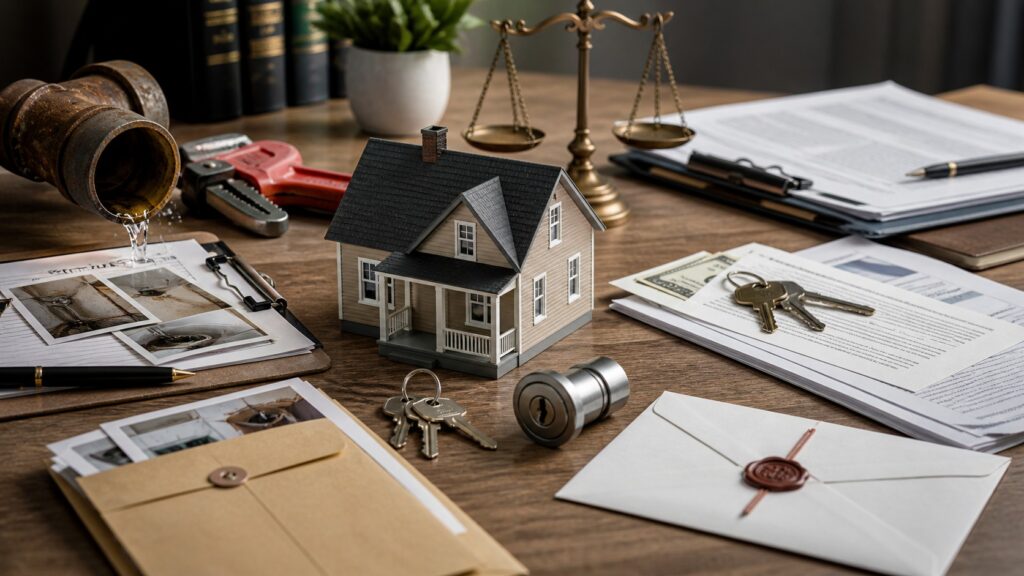
| Landlord refuses major repairs | Send written notice, contact code enforcement, ask legal aid | Photos, videos, emails, repair requests |
| Landlord changes locks | Seek emergency legal help or court relief | Photos, messages, witness names |
| Security deposit not returned | Send demand letter or file small claims case | Lease, deposit receipt, move-out photos |
| Housing discrimination | File a fair housing complaint | Ads, messages, witness details, denial letters |
| Eviction notice received | Read notice, respond on time, seek legal help | Lease, rent receipts, court papers |
Mistakes to Avoid
- Do not rely only on phone calls. Written proof matters more.
- Do not ignore court papers. Eviction deadlines can move fast.
- Do not move out without checking your lease. You may still owe money if you leave early.
- Do not damage the property to “get even.” That can hurt your case.
- Do not assume online advice applies to your state. Landlord-tenant laws vary a lot.
Documents That Can Help Your Case
Keep these records in one folder if you have a rental dispute:
- Lease agreement
- Rent receipts
- Security deposit receipt
- Move-in photos
- Move-out photos
- Repair requests
- Emails and text messages
- Notices from the landlord
- Eviction papers
- Utility shutoff notices
- Inspection reports
- Code enforcement reports
- Witness names and contact details
- Police reports, if any
- Medical records, if unsafe housing affected your health
Good records can make your claim stronger. They can also help a legal aid lawyer understand your case faster.
When You May Need a Lawyer
You may need legal help if you face eviction, illegal lockout, unsafe housing, discrimination, or a large money dispute.
A lawyer can review your lease, explain your state law, and help you respond before deadlines pass. If your issue involves South Carolina, you can also review this related guide: landlord-tenant lawyer, Columbia SC.
If your rental issue involves build-outs, rental space upgrades, or work done inside a leased unit, this related guide may also help: tenant improvement general contractors.
Where to Get Help
Start with a written notice to your landlord if the issue is not an emergency. Keep a copy.
If that does not work, you may contact:
- Local code enforcement
- Local housing department
- Legal aid office
- State attorney general office
- Fair housing agency
- Small claims court
- Tenant lawyer
USA.gov says renters can look for help if they cannot resolve a disagreement directly with a landlord or management company.
Sources
USA.gov: How to file a complaint against a landlord
HUD: Housing Discrimination Under the Fair Housing Act
Legal Services Corporation: Find Legal Help
FTC: Rental Listing Scams
Disclaimer:
This article provides general legal information only. It is not legal advice. Laws vary by state, city, and individual case facts. Consult a licensed attorney or legal aid office for help with your specific situation.
Written by TenantLawGuide.com Editorial Team:
Our team writes plain-English legal guides for everyday readers. We review official legal sources, government pages, and public records where available.