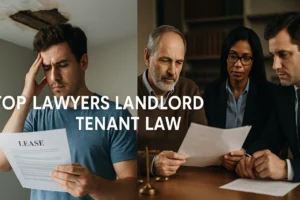

A tenant problem can become serious fast. A landlord may send a notice, refuse repairs, keep a deposit, or demand money you do not owe. At that point, a quick online search for tenant lawyers near me can help you find legal support near your home.
A good tenant lawyer does more than talk about law. They check your lease, notices, rent records, photos, messages, and court papers. They help you see what proof matters. And they also tell you which steps can protect your home, money, and peace of mind.
Local Legal Help That Fits Your Case
Tenant law changes by state, county, and city. A lawyer near you may know the local court process, judge rules, filing deadlines, and housing codes. That local knowledge can matter a lot in an eviction case or repair dispute.
Some lawyers handle both landlord and tenant cases. Some only work for landlords. You should ask this question before you book a meeting. A tenant-side lawyer or legal aid office may give better help if your goal is to defend your rights as a renter.
Local legal aid can also help if you cannot afford private counsel. Many areas have free or low-cost tenant programs. These groups often help with eviction, unsafe housing, lease issues, and deposit claims.
What You May Pay for Legal Help
Legal fees can vary. The cost depends on your case type, time, and lawyer experience. Some lawyers charge per hour. Others offer a fixed fee for simple work.
Many tenants feel unsure about cost. A short call can clear that doubt. Some lawyers offer a free first talk. That helps you decide before you spend money. A simple review of your lease may cost less. A full court case will cost more. Clear pricing matters. Always ask before you agree.
Common Fee Types
- Hourly rate
- Flat fee
- Consultation fee
Each type has its use. Ask which one fits your case.
Simple Cost Tip
Ask for a written fee plan. This avoids confusion later.
Tenant Problems That Need Fast Action
Some rental issues can wait a few days. Others need quick legal help. An eviction notice, court summons, lockout threat, utility shutoff, or serious repair issue needs fast review.
A lawyer can check if the landlord used the correct notice. They can also see if the deadline is legal. A small mistake in a notice may affect the case, but only a local lawyer can confirm that.
Deposit disputes also need proof. You may need photos, move-in records, move-out records, receipts, and written messages. A lawyer can help you decide if the claim is worth court action.
Can Legal Help Save Your Home
A lawyer may stop or delay an eviction. The result depends on your case facts. Courts look at notice type, timing, and proof. A wrong notice can help your case. Missing details may also matter.
A lawyer checks each part and finds weak points. Some cases settle before court. A lawyer may talk with the landlord and reach an agreement. That can save time and stress.
Situations Where You Have Strong Defense
- No proper notice
- Unsafe living conditions
- Payment proof exists
- Landlord broke lease terms
Proof Matters More Than Emotion
Tenant cases often depend on proof. A court may not accept a claim based only on memory. You need records that show what happened, when it happened, and who said what.
Strong proof can include lease copies, rent receipts, bank records, emails, text messages, repair requests, photos, videos, inspection reports, and court notices. Keep these items in one folder before you call a lawyer.
A clear document file helps the lawyer judge your case faster. It can also reduce cost because the lawyer does not need to search through messy records.
Official Legal Proof and Tenant Documents
Tenants should check official legal sources before they act. These links help renters review tenant rights, eviction forms, court papers, and free legal help in Virginia.
Legal Documents To Keep Ready
Proof and Papers Tenants Should Save
A tenant lawyer can help faster when your records are clear. Save each document in one folder before your first call or meeting.
Local Lawyer Options To Check
The firms below can help users start a local search in Northern Virginia. Always ask if the office handles tenant-side cases before you book. Some real estate firms focus on landlords only.
| Firm or Office | Area | Contact |
|---|---|---|
| Angelica Law | Centreville, VA | 703-884-8100 |
| Gross, Romanick, Dean & DeSimone, P.C. | Fairfax, VA | 703-273-1400 |
| The Law Office of Maria T Patente PLLC | Manassas, VA | 800-995-5108 |
Angelica Law lists a Centreville office and phone number on its contact page. Gross, Romanick, Dean & DeSimone lists its Fairfax address and phone number on its official site. Cornell’s legal directory lists Maria T Patente in Manassas and includes landlord-tenant as one practice area.
One important note: Gross, Romanick, Dean & DeSimone says its residential landlord-tenant page represents residential landlords and does not represent residential tenants. That is a good example of why tenants must ask the office first.
Tenant Lawyer Map Near You
Use this map to check nearby tenant lawyers, legal aid offices, and housing law firms.
First Call With a Lawyer
Your first call should stay clear and simple. Tell the lawyer your main problem in one or two lines. Then explain your deadline, such as a hearing date or notice date.
Ask if the lawyer works with tenants. Ask about fees, court help, and document review. Also ask what you should send before the first meeting. A good lawyer will not promise a win without proof. They should explain risk, cost, and next steps. Clear advice matters more than big claims.
Free Help May Be Available
Many renters search for a lawyer only after the problem feels out of control. Legal aid may help before that point. Free tenant programs often give advice, forms, and court support.
Legal Services of Northern Virginia is one option for eligible people in Northern Virginia. It helps low-income residents with civil legal issues. You should check current rules before you apply.
A tenant union, housing nonprofit, or local court self-help center may also help. These places may not replace a lawyer, but they can guide you toward the right forms and deadlines.
Choosing Between Private and Free Help
A private lawyer offers full service. They spend more time on your case. They may represent you in court from start to end. Legal aid helps with basic support.
They may guide you, prepare forms, or give advice. Some also handle court cases, but not all. Both options have value. Your choice depends on budget and case type.
Key Differences
| Feature | Private Lawyer | Legal Aid |
|---|---|---|
| Cost | Paid | Free |
| Case time | More time per case | Limited time |
| Court help | Full support | Depends on program |
Choose based on urgency and budget. Both can protect your rights.
Signs You Should Act Now
Some signs call for quick legal advice. A court date, eviction notice, illegal lockout, utility shutoff, or unsafe home condition should not wait. You should also act fast if your landlord changed locks, removed your items, threatened you, or refused urgent repairs.
Each state has rules about these acts. A local lawyer can tell you what applies. Delay can hurt your case. Missed deadlines can limit your options. A short call today may protect your rights tomorrow.
Smart Questions Before You Hire
Ask clear questions before you pay. The lawyer’s answers can show if they fit your case.
- Do you represent tenants in cases like mine?
- Have you handled cases in my local court?
- What documents should I send first?
- What fee options do you offer?
- What result is realistic from the facts?
These questions help you avoid the wrong lawyer. They also help you compare two or three offices with less stress.
Conclusion
A search for tenant lawyers near me should lead to more than a phone number. You need the right legal fit, clear proof, and fast action. A strong tenant case starts with records, dates, notices, and written communication.
Contact a tenant-side lawyer or legal aid office if your home, money, or lease rights are at risk. Save your documents before you call. Ask direct questions. Choose help that matches your case, your budget, and your local court.
Tenant Lawyer FAQs
How much is a tenant rights attorney?
A tenant rights attorney may charge a flat fee, hourly fee, or consultation fee. The cost depends on your city, case type, and court needs.
What kind of lawyer do I need as a tenant?
You need a landlord-tenant lawyer or tenant rights attorney. Choose one who handles renter cases, lease disputes, eviction defense, and housing issues.
What is a landlord lawyer called?
A landlord lawyer is often called a landlord-tenant attorney or real estate attorney. Some focus on landlords only, so tenants should ask first.
How much does it cost to hire a private attorney?
A private attorney may cost more than legal aid, often through hourly or flat fees. Ask for a written fee estimate before you agree.
What not to tell the attorney?
Do not hide facts, change dates, or leave out documents. A lawyer needs the full truth to judge risk and protect your case.
Important Legal Note
This content is for general information only. It does not provide legal advice. Speak with a qualified lawyer for advice on your case.