Trust matters when people choose where to spend their money. Many families stop at the same coffee shop every week without worry. They expect fair treatment and clear honesty. When a brand breaks that trust, the impact spreads fast across communities.
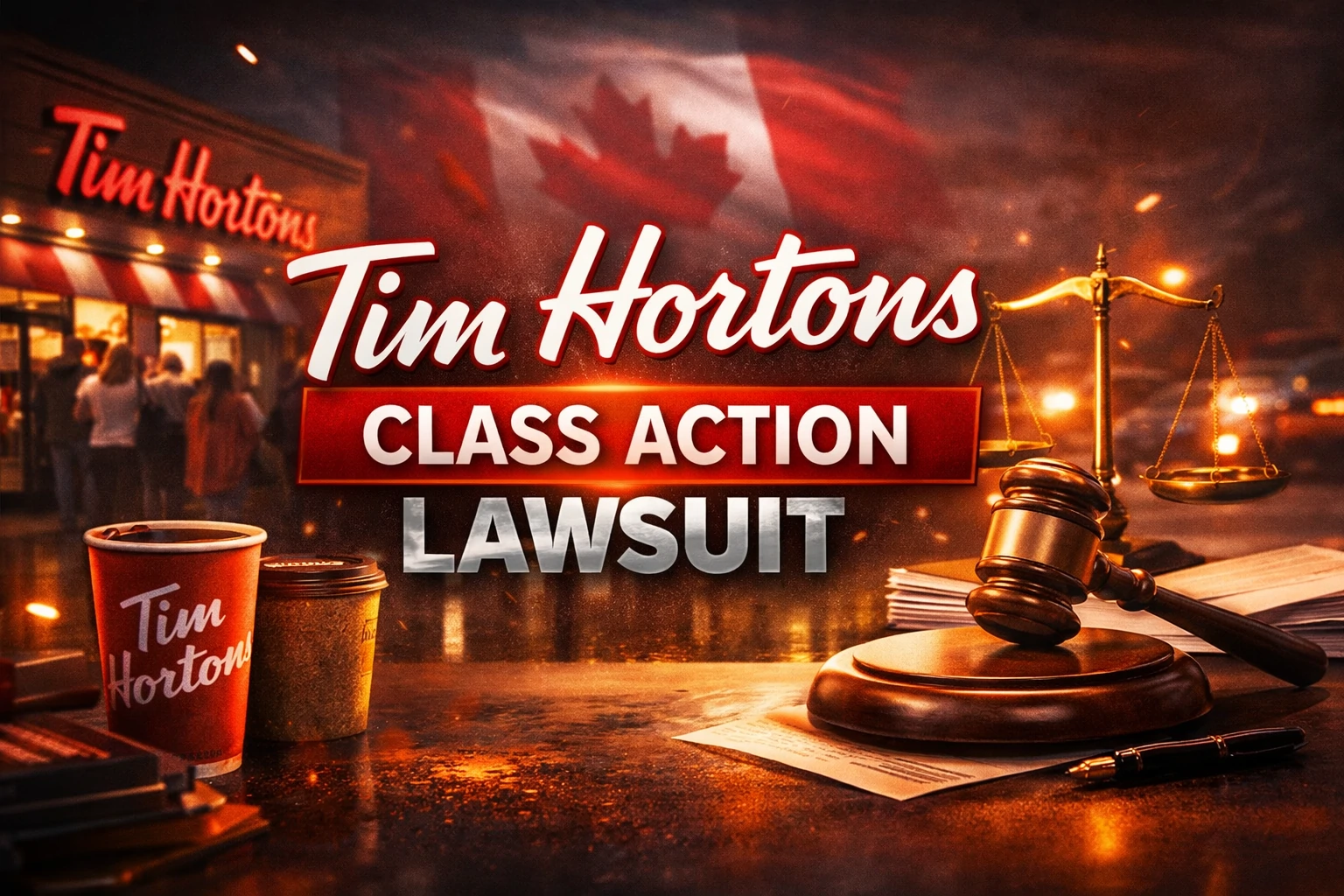
The recent Tim Hortons class action lawsuit stories shocked many loyal customers. These cases did not focus on food quality or service delays. They focused on privacy rights and misleading prize messages that affected thousands of people across Canada. Courts stepped in to decide whether customers deserved compensation and stronger protection.
How the Legal Issues Began
Tim Hortons expanded its digital services over recent years. The company pushed mobile app use through rewards and contests. Many customers enjoyed the ease and free offers.
Problems started when people learned the app tracked location far more than expected. Another issue arose when prize emails promised rewards that did not exist.
Customers felt shocked and misled. Legal teams filed class actions to protect consumer rights. These lawsuits aimed to hold companies responsible for digital behavior and marketing accuracy.
Mobile App Privacy Lawsuit: What Really Happened
The Tim Hortons app asked users to allow location access. Most people assumed the app would only check nearby store locations. Investigations later showed that the app recorded movements all day. It tracked where users worked, shopped, traveled, and lived. This occurred even when the app stayed closed.
Privacy experts said this crossed legal limits. Customers said they never agreed to such deep tracking. The lawsuit accused Tim Hortons of collecting sensitive data without clear consent.
Key claims from the case
- Location data is collected too often
- No clear warning about full tracking
- Long-term storage of personal data
Lawyers argued this violated privacy laws meant to protect everyday users.
Settlement results
Tim Hortons settled the case in 2022. The company denied wrongdoing but offered compensation. Eligible users received free drinks and baked good credits through the app. The company also updated privacy controls and consent notices. This case became one of Canada’s most talked-about digital privacy examples.
Roll Up To Win Contest Lawsuit: The Prize Email Error
Tim Hortons runs its Roll Up To Win contest every year. Customers expect small prizes like free coffee or snacks. In 2024, a major system error occurred. Thousands of people received emails stating they won a large prize. The prize included a fishing boat and trailer worth tens of thousands of dollars.

Joy spread fast. Many told friends and family. Some planned trips around the prize. Days later, Tim Hortons sent correction emails. The company said the winning notices were a mistake. No prizes would be awarded. Customers felt embarrassed and upset. Many believed the message was clear and official. Legal action followed.
What the lawsuit argues
The class action claims:
- The emails clearly confirmed a win
- Customers had a right to trust official notices
- Emotional harm resulted from the mistake
Consumer protection laws often require companies to honor prize promises.
Court progress into 2026
Courts in Quebec approved the lawsuit to move forward. This approval allowed full legal review. By 2026, the case remained active. Lawyers continued gathering evidence.
Settlement talks occurred but no final agreement was reached. Possible outcomes include cash compensation, prize value payments, and penalties. No final judgment has yet closed the case.
Timeline of Major Tim Hortons Lawsuits
| Issue | Year Started | Status in 2026 | Customer Impact |
|---|---|---|---|
| App location tracking | 2021 | Settled | Free food and drink credits |
| Contest prize emails | 2024 | Still active | Possible cash or prize value |
| Labor-related claims | Various | Some dismissed | Limited effect |
This overview shows how legal pressure shaped company practices.
Who May Qualify for Compensation
Each lawsuit uses specific rules. Not every customer qualifies.
Privacy settlement
Most people are qualified if they:
- Used the Tim Hortons app in Canada
- Had location tracking active during the affected period
Most credits already reached users.
Contest lawsuit
You may qualify if you:
- Received a winning prize email
- Lived in Quebec
- Entered through the mobile app
Law firms will share claim steps if a settlement happens.
What Changed in 2026
The lawsuits pushed major shifts. Tim Hortons strengthened privacy notices. The app now explains location use more clearly. Users can limit tracking with simpler controls.
Marketing systems also received updates. Prize emails now include added verification steps. The company checks contest notices before sending mass messages.
Legal experts say these changes reflect stronger consumer protection standards. Across Canada, businesses now treat digital consent more seriously.
Why These Lawsuits Matter to Everyday People
Some see free coffee credits as small rewards. The deeper impact runs much further. These cases forced companies to respect personal data. They demanded honest marketing. Courts now send a strong message:
- Customers deserve transparency
- Digital tracking needs clear consent
- Prize promises must stay accurate
Future businesses will likely follow stricter rules.
How Tim Hortons Responded Publicly
After the privacy case, Tim Hortons apologized for the confusion. The company promised stronger controls and clearer explanations. After the contest mistake, the company issued a public regret. It blamed technical faults for the false emails. Some customers accepted the response. Others still felt trust damage. Reputation recovery takes time.
Simple Steps Customers Can Take
Legal experts often suggest basic digital habits:
- Review app permissions often
- Limit location access where possible
- Read contest terms carefully
- Save promotional messages
These steps help protect personal rights.
The Bigger Trend of Consumer Protection Laws
Many companies now face lawsuits over data use and advertising claims. Privacy laws grow stronger each year. Courts demand clearer consent and transparency. Digital growth forced legal systems to adapt. This trend benefits everyday users who want fairness.
Will More Lawsuits Appear After 2026?
Future legal action depends on the company’s conduct. Stronger privacy systems lower risk. Clearer promotions prevent confusion. Mistakes still happen across industries. Courts continue to step in when customers face harm. As of 2026, the contest lawsuit remains the main active Tim Hortons case.
Final Thoughts
The Tim Hortons class action lawsuit journey shows how modern businesses must protect trust in a digital world. The privacy settlement reshaped how companies handle customer data. The contest lawsuit reminds brands that marketing errors carry real consequences.
These cases protect everyday consumers and set higher business standards. Customers who stay informed gain stronger control over their rights. Trust remains the heart of every brand relationship. Legal accountability now ensures that trust holds real power in the modern marketplace.
People Asked Questions
What are the lawsuits against Tim Hortons?
The main lawsuits involve mobile app location tracking without clear consent and mistaken prize emails from the Roll Up To Win contest. Customers claimed privacy harm and misleading promises.
Who gets paid the most in a class-action lawsuit?
Lead plaintiffs often receive higher payments because they represent the group and work closely with lawyers. Attorneys also earn large fees from settlements before money reaches class members.
Why are people calling for a boycott of Tim Hortons?
Some customers felt betrayed by privacy tracking and false price notices. Others protested corporate practices and trust issues tied to these legal cases.
What is the tragic story of Tim Hortons?
Tim Horton, the hockey player who co-founded the chain, died in a car crash in 1974 at age 44. His sudden death shocked Canada and marked a sad chapter in the brand’s history.
How to get your slice of the $500 million bread fixing class action settlement?
Eligible Canadians must submit a claim form through the official settlement website. After approval, payments go out based on purchase history or flat compensation rules.