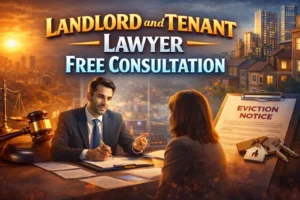

A rental problem can become serious faster than most people expect. One notice, one missed repair, or one unfair charge can put your home and money at risk.
A landlord-tenant attorney helps when a rental problem puts your home, money, or legal rights at risk. You may need one if you face eviction, unsafe housing, unpaid rent, a security deposit dispute, unfair lease terms, or housing discrimination.
This lawyer helps before and during court. They can review your lease, explain your rights, write legal letters, talk to the other side, and help settle the issue before it becomes worse.
Tenants need legal help when a landlord ignores the law. Landlords need legal help when a tenant breaks the lease or refuses to leave. The law protects both sides, but each side must follow the right process.
If you need local legal help, you can also read our guide on how to find tenant lawyers near me before you choose an attorney.
Repair Complaint Turns Into Eviction
Direct answer: A tenant should contact a landlord-tenant attorney fast if a repair complaint turns into an eviction threat. The tenant may have repair rights, but the landlord may still claim unpaid rent. The safest step depends on state law, written proof, and the notice deadline.
Here is a simple example. Sarah rents an apartment and pays rent on time. After heavy rain, water leaks near her bedroom window. She texts the landlord three times. The landlord says someone will come, but no repair person arrives.
The repair problem starts
After two weeks, the wall smells damp. Sarah worries about mold and health risks. She has text messages, photos, and dates, but she has no formal repair letter yet.
The eviction risk appears
Sarah stops paying rent because she feels ignored. A few days later, the landlord gives her a notice to pay rent or leave. Now the repair issue has become a housing court risk.
Sarah may have rights because many states recognize the implied warranty of habitability. This legal rule means a landlord must keep a rental home safe and fit for normal human use. It can apply to serious leaks, heat problems, unsafe wiring, bad plumbing, pests, and other conditions that affect health or safety.
Important legal caution: Sarah also made a risky move. She stopped paying rent without legal advice. Some states allow rent withholding only after strict steps. Other states may require written notice, repair time, rent escrow, an inspection, or court approval first.
A landlord-tenant attorney can check the eviction notice, review the repair proof, and explain the safest next step. That may include a formal repair demand, a code complaint, rent escrow, settlement talks, or an eviction defense.
Cornell Law: Habitability Rule
Cornell explains that this rule can require landlords to keep rental housing safe and fit to live in.
Read Cornell legal definitionJavins v. First National Realty
This D.C. Circuit case helped build the modern rule that housing code duties can affect rent and habitability disputes.
View Justia case documentGreen v. Superior Court
The California Supreme Court recognized habitability as an implied duty in residential leases and allowed it as a defense in eviction.
View Justia case documentWhen Landlords Need Legal Help
Landlords need a lawyer when a tenant refuses to pay rent, damages the property, breaks the lease, files a complaint, or refuses to leave after proper notice.
A landlord should not use shortcuts. Changing locks, removing a tenant’s items, shutting off utilities, or forcing someone out without court process can create legal trouble.
Property owners who manage shared rental spaces should also understand local notice and display rules, especially in multi-unit housing. This guide on signs for multi-tenant houses in Chattanooga, TN explains one location-specific example.
A lawyer helps the landlord use the correct notice. They can also help file an eviction case, write a strong lease, respond to tenant claims, and follow fair housing rules. This matters because one wrong notice can delay the case. It can also cost the landlord more money.
How a Lawyer Helps Early
A landlord-tenant attorney gives legal direction and helps solve the dispute. They can review documents, explain rights, write letters, negotiate, and represent you in court.
The lawyer may first read your lease. Then they may review texts, notices, photos, rent receipts, and repair requests. After that, they can tell you if your case is strong or weak.
In some cases, the lawyer sends a demand letter. This letter tells the other side what went wrong and what must happen next. A clear legal letter can settle many disputes. If the case goes to court, the lawyer can prepare your defense or claim.
Legal Insight: The Lease Is Not Always Final
A lease matters, but it does not control everything. A lease cannot remove legal rights that state or federal law protects. A landlord cannot use a lease to avoid basic habitability duties. A tenant also cannot use a small complaint as a reason to ignore every lease duty.

This is where people get confused. They read one lease line and think the issue is over. But state law, local housing codes, court rules, and federal fair housing law may also apply. A lawyer helps you understand which rule controls the issue.
Renters who want a broader rights overview can also review these top tenant rights before they make a legal decision.
Security Deposit Problems Need ProofA tenant should ask for proof if the landlord keeps part or all of the security deposit. The landlord should have a valid reason, clear records, and a written list of charges when state law requires it.Normal wear is not the same as damage. Light marks, faded paint, or mild carpet use may happen in a lived-in home. Broken doors, large holes, missing items, or unpaid rent may create a stronger claim for deductions.Tenants should take move-in and move-out photos. Landlords should keep receipts, inspection notes, and repair records. Good proof can solve a deposit fight faster than long arguments.What To Do Before Calling
Start with proof. A lawyer can help more when you have clear documents, dates, photos, and messages. Find your lease first. Then collect notices, rent receipts, repair requests, emails, texts, photos, videos, and inspection reports.
Write a short timeline. Add the date the problem started. Add when you contacted the other side. Add what they said. Add what happened next.
Send future requests in writing. Phone calls can help, but written proof is stronger. Do not stop rent, move out, change locks, throw away notices, or ignore court papers without legal advice.
Common Mistakes To Avoid
The biggest mistake is waiting too long. Rental cases can move fast, especially eviction cases. Another mistake is using only phone calls. If you have no written proof, the other side may deny the conversation.
Stopping rent without legal advice can also hurt a tenant. Some states allow it only under strict rules. Other states may treat it as nonpayment.
Landlords also make mistakes. Some send weak notices, keep deposits without proof, enter the unit without proper notice, or try to force a tenant out without a court.
Both sides should stay calm and follow the legal process.
Quick Checklist Before You Call
Use this checklist before you talk to a lawyer. It helps you explain the problem clearly and protect important proof.
How Much It May Cost
The cost depends on the lawyer, location, and case type. Some lawyers charge a flat fee. Others charge hourly. Some legal aid groups help low-income tenants for free or at low cost.
A flat fee may work for a lease review, notice letter, or demand letter. An hourly fee is common for longer disputes or court cases.
Ask what the fee covers. Ask if filing fees are separate. Ask if the lawyer handles the full case or only one step. Never hire a lawyer without a clear fee agreement.
When You May Not Need a Lawyer
You may not need a lawyer if the problem is small, the landlord fixes it after written notice, or the issue fits small claims court. A simple deposit dispute may not need a full attorney. A clear written request may fix a minor repair delay.
Still, one short legal consultation can help. It can stop you from taking the wrong step. You should get help fast if the issue involves eviction, discrimination, unsafe housing, illegal lockout, large money loss, or court papers.
Short Questions Renters Ask
Can a landlord evict me after I ask for repairs?
A landlord may start an eviction case for a claimed lease issue or unpaid rent. But the tenant may have a defense if the eviction links to repair complaints, unsafe housing, or retaliation. State law controls the result.
Should I stop paying rent if repairs are ignored?
Do not stop rent without legal advice. Some states allow rent withholding only after strict steps. A safer first step is written notice, photos, and a call to legal aid or a housing attorney.
Can a lawyer help before court?
Yes. A lawyer can review your lease, write a legal letter, talk to the landlord, and help settle the issue before court starts.
The Safe Next Step
You need a landlord-tenant attorney when the rental problem can affect your home, money, safety, or legal record. Do not wait if you face eviction, unsafe housing, deposit loss, discrimination, or a serious lease dispute.
The best first step is simple. Save proof. Read the notice. Check your lease. Write down the timeline. Then contact a landlord-tenant attorney or legal aid office.
The right legal help can protect your rights before the problem becomes more expensive.
Disclaimer: This article gives general legal information only. It is not legal advice. Landlord-tenant laws vary by state and city. Speak with a licensed attorney in your area for advice about your case.