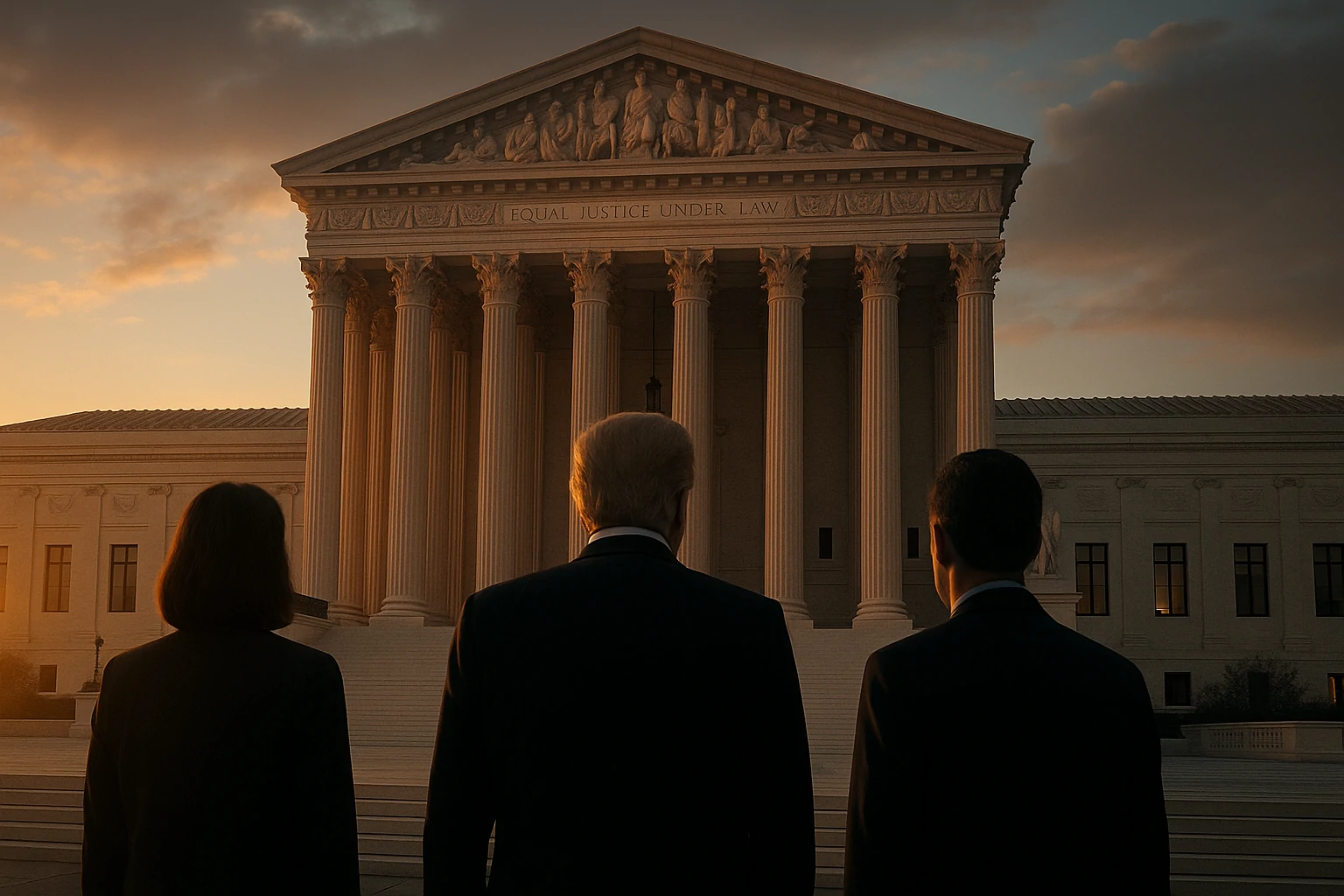
The Supreme Court holds the power to shape how presidents use their authority. Trump’s legal team knows this well. As rulings draw near, they watch closely.
Big questions wait for answers. These questions may decide how much power lower courts can use. They may also decide how much freedom a president has to act.
This legal moment affects more than Trump. It touches the future of executive power. It tests how far judges can go when they block policies.
Both sides in this debate wait for the Court to speak. They want to know where the limits now stand. The ruling may shift how courts and presidents work with or against each other.
The Core Issue at Stake
Trump’s lawyers focus on one major point. They question whether lower federal courts should block national policies. In the past, courts used broad orders to stop federal actions across the country.
These are called “universal injunctions.” They affect more than just the people who file a lawsuit. Instead, they freeze rules for everyone.
Trump’s legal team believes that such power should not rest in the hands of a single district judge. They say these orders stretch beyond legal bounds.
They want the Supreme Court decision to stop this pattern. They argue that courts should only grant relief to the parties in the case, not to the whole country.
The idea sounds simple, but carries deep weight. If the Court agrees with Trump’s view, presidents may gain stronger control over policies.
If it does not, lower courts will keep the power to halt executive actions nationwide. That choice shapes how fast or slow a president can act.
Why Trump Cares About This Ruling
This case matters to Trump for both legal and political reasons. He may face court battles again if he returns to office.
If the Court limits injunctions, future judges may not block his plans as easily. He would have a smoother path to roll out policies without fast legal stops.
His lawyers also want to push back against what they see as unfair legal roadblocks. In recent years, many judges issued sweeping injunctions against Trump-era rules.
These included immigration orders and health policies. Each time, a single judge stopped the action nationwide.
Trump’s team sees that as overreach. They believe one courtroom should not decide for the entire nation.
They say the law was never meant for lower courts to hold such sweeping power. The upcoming ruling could change how future cases unfold.
The Supreme Court’s Role in Settling the Debate
The Supreme Court holds the final word on this matter. The justices must decide how much authority federal judges should hold.
The case they reviewed, known as Trump v. CASA, brings the issue to the center stage.
In that case, a lower court blocked a Trump-era immigration rule. But the order stopped the rule across all states, not just where the lawsuit was filed.
Trump’s team called that action too wide. They said the court should have kept its ruling local.
Many legal scholars watch this case with interest. Some support wide injunctions as tools to protect rights quickly. Others warn that they let unelected judges override elected leaders.
The Court’s ruling must find a balance. It may create a new standard that guides all future cases.
The Bigger Fight Over Presidential Power
This case fits into a larger fight over executive power. Trump often tested the edge of that power. His critics said he overstepped.
His defenders said he acted within his rights. Now, the courts must weigh where the line truly stands.
Presidents often issue bold orders. They act fast in emergencies. They shape policy through executive action. But courts can slow or stop those moves. That tension creates the core of this debate. Who holds the final say?
If the Court limits judges, presidents may act more freely. But if it supports wide court blocks, legal checks will stay strong.
Each path has risks and benefits. The ruling will not just affect Trump. It will guide all presidents moving forward.
How the Legal World Watches and Waits
Lawyers, scholars, and judges across the country follow this case. Many expect a split decision. Some justices favor strong executive power. Others want courts to remain firm watchdogs. Each vote matters.
Trump’s lawyers wait with hope. They want the Court to rein in lower courts. They hope to gain legal ground before any new term begins. Their strategy depends on limiting fast blocks from district courts.
The legal field knows the ruling will set a tone. It could rewrite how courts issue relief. It may also affect how fast new policies take shape. Future lawsuits may need new tactics based on this outcome.
Possible Impact on Future Presidencies
This ruling will ripple beyond Trump. If the Court backs limited injunctions, future presidents may face fewer legal obstacles.
They may use their power more freely. That change would shift how laws and orders move forward.
On the other hand, if the Court allows broad blocks, legal fights may grow longer. Courts could freeze actions before they spread.
That path would give judges more voice in shaping national policy.
Either way, the Court’s ruling will guide the next chapter of American governance. It may change how fast leaders can act. It may also change how citizens challenge policies they dislike.
You can explore summaries in the Commonwealth Law Reports for strong legal context and precedent.
Political Tensions Behind the Case
Though the case deals with legal rules, politics sit close to the surface. Trump’s critics fear the Court will hand him more unchecked power. His supporters hope the ruling frees him from legal traps.
Some worry the Court itself may appear political. They fear its decision may reflect party lines more than the law. Trust in courts has dropped in recent years. This case could raise or lower public faith in the justice system.
The ruling may also affect how voters view legal battles. If courts seem to block policies too fast, voters may lose trust. If courts lose power, people may fear unchecked executive action. The decision touches both law and public mood.
The Clock Ticks Toward a Major Decision
As the Court wraps its term, the justices prepare final rulings. Trump’s team counts the days. They know this moment may shape his legal path in the months ahead.
The country waits too. People want clarity on how power now works. They want to know if courts can still serve as fast checks. They also want to see if presidents can act with fewer stops.
This case may not make headlines forever. But its effects will last. It could change how the legal system responds to power. It may also guide how presidents and courts balance their roles.
Final Words
Trump’s lawyers hope the Supreme Court gives them a win. They see this ruling as a way to ease future legal hurdles. They also want a clear rule that limits sweeping court orders.
The decision will echo beyond one man or one case. It speaks to how the U.S. governs itself. It tests the edge between speed and oversight. Courts and presidents often clash. This ruling may calm or deepen that clash.
People across the country should care. The ruling will affect more than politics. It will shape how leaders act and how fast courts can push back. Power always needs limits. This case helps define those limits in law, not just in opinion.
As the Court speaks, the country listens. So do future leaders, future judges, and future citizens. Each word from the justices carries weight. What comes next will matter for years to come.
Frequently Asked Questions (FAQS)
What does the Supreme Court decision mean for Trump?
It could stop courts from blocking his orders across the whole country.
What is judicial power in this case?
It means how much control judges have over executive actions.
Why are Trump’s lawyers concerned?
They want fewer legal blocks on policies if Trump takes office again.
What is a universal injunction?
It is a court order that stops a rule for everyone, not just those in the case.
Does this ruling affect all presidents?
Yes, it will shape how future presidents use power.
For a view outside the U.S., referencing Dominican Republic drinking laws highlights how legal systems vary globally.
Disclaimer: This article is for general information only. It does not give legal advice. Please consult a licensed attorney for legal guidance.