
Many people now worry about chemicals in everyday products. Period pads sit close to the body for many hours. That makes users more alert to safety and ingredients.
News posts and social media clips add more concern. Some claim hidden toxins exist in “clean” products. Others question if brands tell the full story.
Search interest around “lola pads lawsuit” has grown fast. People want clear answers. They ask if a real case exists, what PFAS are, and if health risks are serious.
Confusion also spreads between lab tests, online claims, and real lawsuits. This article explains the facts in simple terms. It covers PFAS, legal claims, and smart steps you can take today.
Why This Is Trending Now
Public concern about product safety has increased in recent years. People read labels more closely than before. Many now prefer organic or “clean” items. That shift creates higher expectations from brands.
At the same time, viral posts spread fast. A single test report can reach millions in days. Some posts mix facts with guesses. That leads to fear and confusion. Lawsuits in similar industries also push this topic into the spotlight. Users start to ask if the same issue exists in pads.
Is There a Confirmed Lola Pads Lawsuit
Many users search this topic with urgency. They want a clear yes or no answer. At this time, no widely verified major lawsuit exists that focuses only on Lola pads.
Some legal attention has touched the brand in the past. That includes cases tied to other products such as tampons. These cases do not directly prove claims about pads. It is important to separate facts from online talk.
A lawsuit means a formal case filed in court. An allegation means someone made a claim but has not proven it. Online posts often repeat claims without proof. Readers should rely on verified court records, not viral content alone.
Where the PFAS Concerns Started
Some third-party groups tested menstrual products. These tests looked for PFAS, which are synthetic chemicals. Reports from blogs and watchdog sites gained attention. One example includes testing shared by Mamavation-type platforms.
These reports are not official rulings. They do not carry the same weight as government findings. Results can vary based on test methods and sample size. That means one test does not define the whole industry.
Media and Consumer Reaction
Social media played a big role in spreading concern. Short videos and posts shared test results without full context. Many users reacted with fear.
People assumed clean labels meant zero risk. When reports suggested otherwise, trust dropped. This created a wave of searches and questions.
PFAS Explained in Simple Terms
PFAS stands for per- and polyfluoroalkyl substances. These are man-made chemicals. They do not break down easily. Companies use PFAS in many products.
These include non-stick cookware, waterproof fabrics, and food packaging. In hygiene products, they may help with moisture control or leak resistance. Small amounts can stay for years. This raises concern even if exposure seems low.
Do Pads Really Contain PFAS
Some independent tests found traces of PFAS in certain brands. These findings caused public concern. At the same time, not every product shows the same result.
A key point matters here. Detection of a chemical does not always mean danger. The amount and type both matter. Many reports do not explain this clearly.
There is no strict federal rule that covers PFAS in menstrual products yet. This creates a gap in regulation. States have started to act, but rules differ from place to place.
Health Concerns Linked to PFAS Exposure
Some users report skin irritation. Others mention discomfort after long use. A few cases include allergic reactions.
These reports do not prove PFAS as the cause. Many factors can affect skin health. Fragrance, materials, or hygiene habits may also play a role.
Long-Term Concerns
Research on PFAS is still ongoing. Some studies suggest links to hormone changes. Others explore effects on fertility.
Animal studies show possible cancer links. Human data is still limited. Experts use careful language such as “linked” or “studied.” They do not claim direct proof in every case.
Similar Lawsuits in the Hygiene Industry
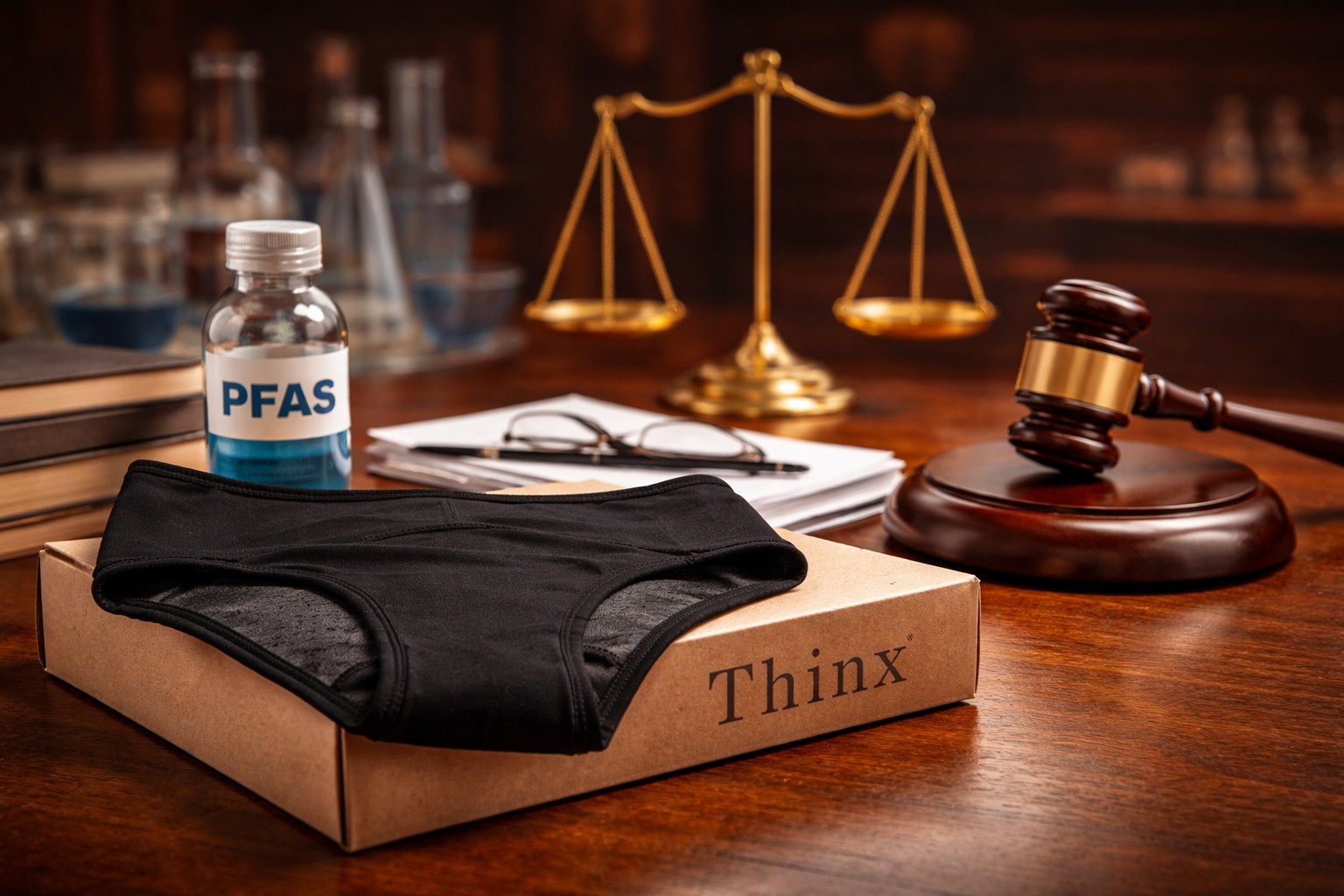
Legal action has appeared in related product categories. One known example involves Thinx. The case focused on PFAS claims in period underwear.
This case ended in a settlement. It did not confirm all allegations as proven facts. Still, it shows that courts take product safety claims seriously.
Other cases across the industry also raised concerns about chemicals and labeling. These cases help shape future standards. They also push brands to improve transparency.
Lola’s Public Position on Safety
The company has addressed safety concerns in public statements. It has stated that its products go through testing. It also claims that harmful levels of certain chemicals are not present.
The brand has pointed to third-party lab results. These results support its safety claims. At the same time, independent tests from other sources may show different findings.
This difference creates confusion. Company testing and external testing may use different methods. That can lead to different results. Readers should understand this gap before forming a conclusion.
Legal Angle: What Would Make a Real Case Strong
A strong legal case needs clear proof. Claims alone are not enough. Courts look at several key factors:
- misleading marketing claims
- hidden or undisclosed ingredients
- clear medical harm linked to product use
- large number of similar complaints
If these elements exist, a case becomes stronger. Without them, lawsuits may not move forward.
What This Means for Everyday Users
Most users do not need to panic. There is no clear proof that all pads are unsafe. At the same time, awareness helps you make better choices.
Product transparency is still improving. Labels may not show every detail. That means users must stay informed and cautious. Trust should come from verified information. Avoid decisions based only on viral posts.
Smart Steps to Stay Safe
Check labels before you buy. Look for brands that share ingredient details. Simple and clear labels often show better transparency. Always read beyond marketing claims.
Reduce Exposure Risk
Switch between different product types when possible. Do not use one product for too long. Change pads at regular intervals. Watch how your skin reacts. Comfort is an important signal.
Track Your Own Experience
Pay attention to any irritation or unusual symptoms. Keep a simple note if needed. This helps you spot patterns over time. If problems continue, switch brands or consult a professional.
Red Flags to Watch in “Clean” Products
Some products use strong marketing but give little detail. Watch for these signs:
- vague or unclear labels
- heavy claims without proof
- no third-party verification
- “chemical-free” wording without explanation
These signals do not prove harm. They suggest the need for caution.
The Bigger Shift in Period Product Laws
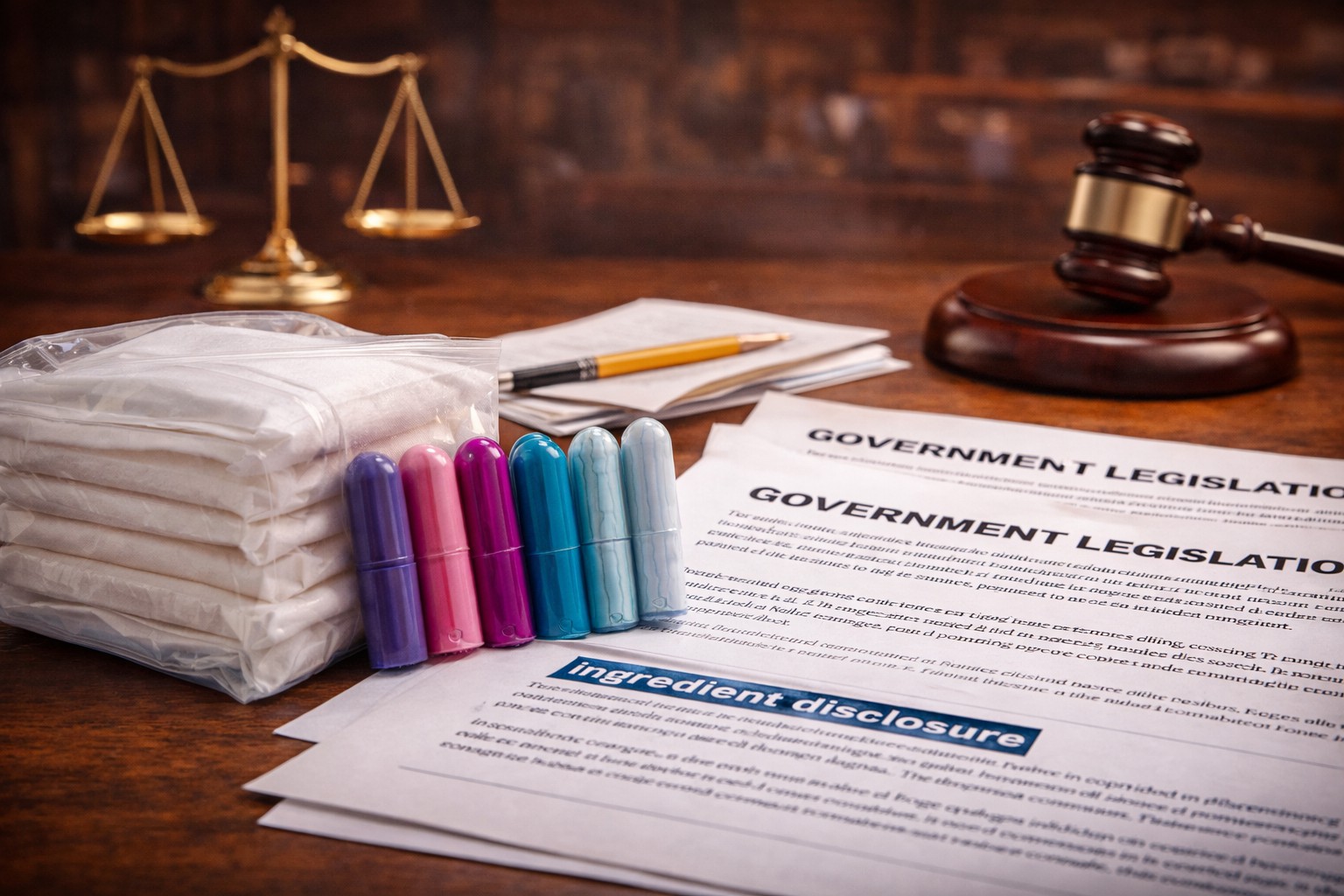
Governments have started to respond to consumer concern. Some states now require ingredient disclosure. This gives users more control and knowledge.
Pressure on brands continues to grow. Companies now face higher expectations. Future rules may become stricter as research evolves. This shift benefits users. It pushes the market toward more transparency and safety.
Key Takeaways on the Lola Pads Lawsuit Topic
- No clear confirmed major lawsuit exists for Lola pads alone
- PFAS concern exists at an industry level
- Test results vary across sources
- Users should stay informed and avoid panic
Conclusion
Concern about product safety is valid. People want clear answers about what they use every day. The search for “lola pads lawsuit” shows that trust matters.
At this time, strong proof of a major lawsuit focused only on Lola pads is not widely confirmed. PFAS remains an important topic, but research is still ongoing. Users should rely on facts, not fear.
Smart choices make a real difference. Read labels, watch your body, and stay updated. A calm and informed approach helps you protect your health without stress.