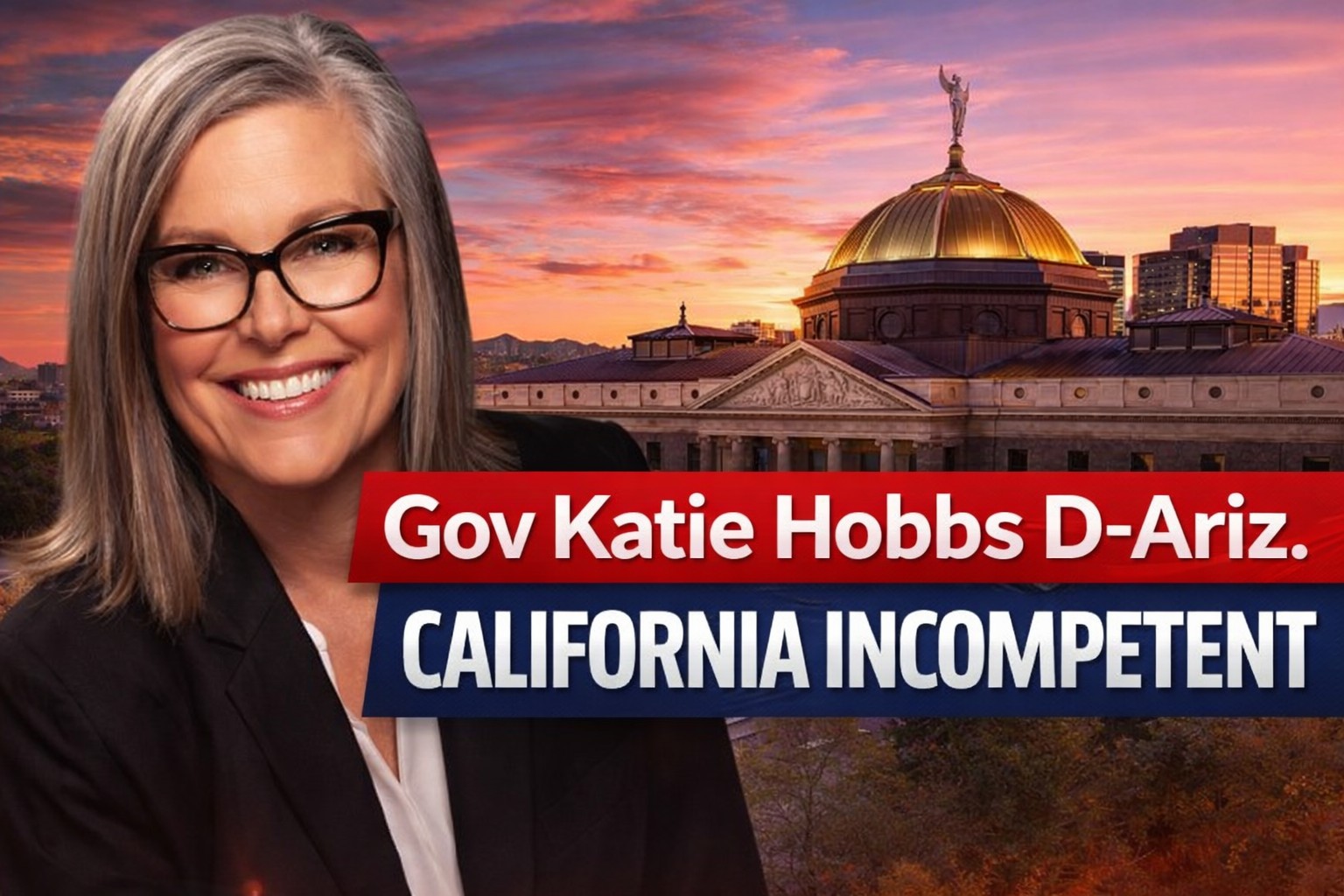
Arizona politics has turned more tense since Katie Hobbs took office as governor. Her name now appears in sharp online debates, news headlines, and social media posts. One search phrase stands out more than most: gov katie hobbs d-ariz. california incompetent. People use that phrase when they want to criticize her record and compare Arizona to California.
This topic matters because Arizona has changed fast in recent years. Home prices rose. Border concerns stayed in the news. Crime, water, and public costs also stayed part of public debate. Supporters say Hobbs wants fairness and better public services. Critics say her policies push Arizona toward the same problems they link with California. That clash sits at the center of this debate.
Why This Search Phrase Gets Attention
The phrase sounds harsh because it comes from political anger, not neutral language. People often type strong words into Google when they feel upset about a public figure. That is common in modern politics. Search trends now reflect emotion as much as facts.
Katie Hobbs serves as a Democratic governor in a state that often votes both ways. Arizona can support conservatives in one race and Democrats in another. That makes every major policy choice more controversial. A small shift in public mood can create a large political reaction.
The California comparison also has a clear purpose. Critics use California as a warning sign. They point to high living costs, visible homelessness, crime concerns, and heavy regulation. When they attach that image to Hobbs, they try to frame her as a leader who could move Arizona in the same direction.
This does not mean every comparison is fair or complete. It does show how voters and commentators try to simplify big issues into one short message. That is why the phrase spreads so easily online.
Economic Worries Shape the Debate
The economy sits near the top of voter concerns in Arizona. Families care about paychecks, rent, fuel, and food. Business owners care about taxes, labor rules, and long-term stability. When those issues feel worse, governors receive blame fast.
Critics of Hobbs say Arizona has started to lose its simple business appeal. The state built a strong name with lower taxes and a friendlier business climate than states such as California. Opponents argue that more regulation and a larger government role could weaken that advantage over time.
Supporters answer with a different case. They say Arizona still attracts major employers and large projects. They also argue that workers need fair protections and that public investment can help long-term growth. In their view, the state does not become anti-business just because it adopts more oversight.
Most voters do not read every policy paper. They judge the economy through daily life. If groceries cost more and rent feels harder to pay, many assume state leaders failed. That helps explain why Hobbs faces strong criticism even when some economic trends come from national forces.
High Costs and Family Pressure
Cost of living has become one of the strongest parts of the anti-Hobbs argument. Arizona once looked like a cheaper place to live than many coastal states. That image has weakened in major metro areas, especially around Phoenix.
Home prices and rent have placed pressure on working families. New residents continue to move into Arizona, and that puts more stress on supply. When supply stays tight, prices rise. Families then face hard choices about where to live, what to cut, and how much debt to carry.
Critics say this trend mirrors California in a troubling way. They fear Arizona may lose the affordability that once drew people from other states. They also argue that public policy has not done enough to protect local families from rapid price growth.
Supporters of Hobbs say the issue is larger than one governor. They point to population growth, market demand, and national inflation. They also note that housing aid and workforce support can ease some of the pain. Still, voters often care less about the cause and more about the result.
Border Security Remains a Core Flashpoint
Border policy remains one of the most emotional issues in Arizona. The state shares a long border with Mexico, so immigration news affects local politics in a direct way. Residents in border regions often feel the impact more than people in other parts of the country.
Critics say Hobbs has not taken a tough enough line. They want stronger state action, tighter enforcement, and louder pressure on federal officials. In their view, a softer approach leads to more strain on schools, hospitals, police, and local budgets.
Supporters argue that border enforcement mostly falls under federal control. They say state leaders must also think about safety, legal limits, and human needs. That view tends to frustrate critics who want visible action and sharper language from the governor.
The California comparison appears here too. Opponents try to connect Democratic leadership with weak border control. That message may not capture every detail, but it works well in political messaging because it taps into fear, frustration, and voter fatigue.
Crime Fears Add More Fuel
Crime always carries political power because it feels personal. People may ignore state budget debates, but they pay attention to theft, violence, and public disorder. News stories about crime can shift public opinion very fast.
Critics of Hobbs say Arizona risks a softer approach to crime, similar to what they believe happened in parts of California. They point to theft, disorder in city centers, and concern from business owners. Even isolated events can shape a wider public mood when media coverage stays intense.
Supporters say crime data needs context. Some areas improve, and some worsen. Local police policy, prosecutors, courts, and city leaders also shape public safety outcomes. A governor alone does not control every crime trend in a state.
Even so, perception matters. If residents feel less safe, they may blame the top state leader. That political reality helps explain why crime remains a major part of the criticism aimed at Hobbs.
Homelessness and Street Disorder Concerns
Homelessness has become another issue tied to the California comparison. Many critics use images from Los Angeles or San Francisco when they talk about what they do not want Arizona to become. That fear now appears more often in debates about Phoenix and Tucson.
Rising rent and limited housing create real pressure on low-income residents. Mental health struggles, drug abuse, and job loss also play a role. The issue has no simple fix, and that makes it easy to turn into a political weapon.
Critics say Arizona must act before the problem grows worse. They argue that weak enforcement and expensive public programs can fail if leaders do not demand clear results. Their message is blunt: solve the issue early, or the state may repeat mistakes seen elsewhere.
Supporters say people need shelter, treatment, and a fair path back to a stable life. They argue that punishment alone cannot solve homelessness. This divide reflects a broader clash between order-first policy and service-first policy.
Water, Energy, and the Bigger Direction of Arizona
Arizona also faces long-term pressure on water and energy. These issues may feel less dramatic than crime or the border, but they affect the future of the state in a major way. Growth puts stress on land, utilities, and natural resources.
Critics say Hobbs and other Democrats favor policies that can raise costs and add pressure to an already strained system. They worry about power reliability, environmental rules, and weak long-term planning. In their view, that path looks too close to problems seen in California.
Supporters say Arizona needs serious planning, not short-term politics. They argue that renewable energy, conservation, and careful growth can protect the state over time. They also say the old model cannot solve new challenges on its own.
This is the larger fight behind the phrase people search online. The debate is not only about one governor. It is about what kind of state Arizona wants to be. Voters who use harsh language often feel they are not just judging Katie Hobbs. They feel they are warning about Arizona’s future.
What This Debate Means for Voters
The phrase ” Gov. Katie Hobbs, D-Ariz. California’s incompetence reflects frustration, fear, and political branding. It is not neutral language. It is the language of critics who want to frame Hobbs as a symbol of the wrong path for Arizona.
Supporters reject that label and say it ignores context, fairness, and real policy goals. Critics say the warning signs already exist in housing, border policy, crime fears, and public costs. That argument will likely stay central in future Arizona elections.
Voters now face a simple but serious question. Do Hobbs’ choices protect Arizona, or do they push the state toward problems many residents hoped to avoid? That question sits at the heart of this topic, and it will likely remain part of Arizona politics well beyond one election cycle.